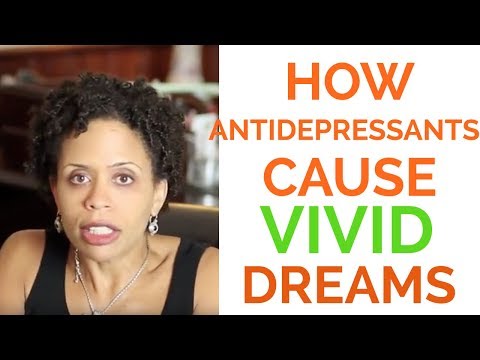
Okay, so let’s chat about something kinda interesting. Ever heard of sertraline? It’s this medication some folks take for anxiety and depression. But here’s the twist—people often notice their dreams become super vivid when they’re on it.
Imagine suddenly having wild, colorful dreams that feel like movies! Like, one minute you’re flying through the sky, and the next you’re running from a giant marshmallow monster.
So, what’s up with that? Is it just a side effect, or is there more to it? Let’s dig into the connection between sertraline and those memorable dreams you might experience during therapy. Buckle up!
Exploring the Impact of Sertraline on Dream Vividness: What You Need to Know
So, let’s chat about sertraline and its connection to vivid dreams. If you’ve been prescribed this medication, you’re probably already aware of its primary role in treating depression and anxiety. But did you know that it can also influence your dream world? Yep, that’s right!
What is Sertraline?
Sertraline is an antidepressant that falls under the category of selective serotonin reuptake inhibitors (SSRIs). Basically, it helps your brain manage mood by increasing the levels of serotonin—a neurotransmitter that plays a big role in regulating mood, anxiety, and even sleep.
Now, when you mess with serotonin levels, things can get a little quirky. One intriguing side effect some people experience is vivid dreaming. This means dreams might become more intense or engaging than usual. So what gives?
How Does It Work?
You see, during REM (rapid eye movement) sleep—the stage where most dreaming occurs—serotonin has a funky influence. Lower serotonin levels usually lead to less vivid dreams. But here’s where sertraline changes the game: by boosting serotonin levels, it might actually enhance the depth and clarity of your dreams.
This isn’t universal though; not everyone on sertraline will experience this effect. It really depends on the individual and how their body responds to the medication.
The Emotional Side
Let me share a quick story here. A friend of mine started taking sertraline for her anxiety issues. She noticed her dreams shifted from mundane reruns of daily life to wild adventures—like swimming with dolphins or flying over mountains. At first, she was thrilled! But soon enough, she found herself waking up a bit drained from all those emotional rollercoasters at night.
Sometimes these vivid dreams can stir up deeper feelings or memories we thought were buried. It’s like your mind is sorting through everything while you’re asleep—and that can be both fascinating and overwhelming.
A Word on Adjustments
If you start noticing major changes in your dream life after beginning sertraline, don’t freak out! Your brain’s still adjusting to the medication. This adjustment period might last a few weeks. So if it’s bothering you or impacting your sleep quality too much—like feeling too tired during the day—it’s worth chatting with your doc about it.
They might suggest trying out different dosage or possibly switching medications if it’s necessary after evaluation.
Final Thoughts
The impact of sertraline on dream vividness is definitely an interesting topic! While it can enhance your dreaming experience for some people—making it colorful and memorable—it can also perfectly fine if you’re someone who prefers less drama while snoozing.
So keep an eye on how you feel overall; remember that mental health meds often come with a mix of benefits and side effects tailored uniquely to each person. It’s always best to discuss any concerns with your healthcare provider so they can help find what works best for you!
Exploring the Impact of Antidepressants on Dream Vividness: What You Need to Know
So, let’s talk about antidepressants, specifically one called sertraline, and how they might affect your dreams. You know, a lot of people on these meds often find themselves having more *vivid* dreams. But why does that happen? Well, it’s pretty interesting.
First off, sertraline belongs to a class of medications called SSRIs (selective serotonin reuptake inhibitors). They work by increasing the levels of serotonin in your brain. Serotonin is that feel-good chemical that helps regulate mood. But it’s also involved in sleep and dreaming. You follow me?
Now, when you start taking sertraline, you might notice that your dreams feel way more colorful or intense. Some folks say it’s like watching a movie every night! This could be due to how the medication tweaks your sleep cycles. It can actually enhance REM sleep—the stage where dreaming happens the most.
- REM Sleep Changes: SSRIs can increase the duration and intensity of REM sleep.
- Dream Recall: With more vivid dreams may come better dream recall; you might remember details you’d usually forget.
- Anxiety Reduction: As anxiety eases with treatment, your mind might engage differently during sleep.
But hey, vivid dreams aren’t necessarily all good news. For some people, they can feel a bit overwhelming or even lead to nightmares. It’s kinda funny how something that’s supposed to help can also stir up some wild stuff while you’re sleeping!
But here’s where it gets interesting: not everyone experiences this effect the same way. Some users don’t notice any change in their dream patterns at all. It really depends on individual factors—your body chemistry, other medications you might be taking, or even just personal differences in how you dream.
So if you’re on sertraline or thinking about starting it and wonder about those wild dreams, it might help to keep a little dream journal. Jotting down what you remember could give you some insight into how your dreams change over time. Plus, it’s kinda cool to see what pops up when you’re snoozing!
In short, while sertraline can create this *dreamy* connection with vivid dreams through its effects on serotonin and sleep cycles, everyone reacts differently—and that’s totally normal! Just remember: if something feels off or bothersome with your dreams after starting any medication like this one, chatting with your doctor is always a good idea. They’re there to help guide you through this whole process!
Exploring the Connection Between Serotonin Levels and Dream Patterns
So, let’s chat about serotonin and its funky relationship with our dreams. You might know that serotonin is a neurotransmitter. It’s like one of those busy little messengers in your brain, helping to regulate mood, sleep, and even appetite. But did you know that it also plays a part in how you dream? That’s where things get interesting.
Dream patterns are closely tied to sleep cycles, especially the REM (Rapid Eye Movement) phase—the part of sleep where dreams kick into high gear. When your serotonin levels are balanced, your sleep might feel more restorative and, let’s say, less chaotic. But if there’s a change in those levels—like when you’re on medication such as sertraline—it can impact how vivid or even bizarre your dreams become.
Now, sertraline is an antidepressant that belongs to a class called SSRIs (Selective Serotonin Reuptake Inhibitors). This med works by increasing the amount of serotonin available in your brain. While it can help lift mood and reduce anxiety, some users report experiencing more intense or vivid dreams after starting treatment. So why does this happen?
Well, increasing serotonin can alter how we cycle through different sleep stages. If you’re sleeping deeper or flowing differently through REM sleep—boom! You might find yourself having these wild, vibrant dreams that you remember vividly upon waking up.
Here’s something cool: Everyone’s experience with sertraline is different. Some people love their newfound dreamscapes; others find them a bit unsettling or overwhelming. Think about that time when you woke up from an intense dream feeling like you’d just run a marathon—you’re left wondering what on earth was happening in there!
In therapy context, these vivid dreams can actually be useful too! Sometimes they bring up emotions or situations that need addressing in real life—like an unresolved conflict or even something from childhood lurking beneath the surface. And working through those feelings during therapy can be super revealing.
But okay, it’s not all sunshine and rainbows; there are considerations to keep in mind. If vivid dreaming is causing distress or if it affects your overall quality of sleep—this could become a concern over time. It’s always worth bringing up any changes with your therapist or doctor because they’ll know best how to navigate those waters.
So yeah, the connection between serotonin levels and dream patterns is pretty fascinating! It highlights just how uniquely our brains work while we snooze away at night—and how medications like sertraline can influence those nighttime adventures we all experience differently.
You know how when you start a new medication, everything seems heightened? Well, I remember chatting with a friend who was on sertraline. She mentioned something about her dreams being super vivid. Like, we’re talking full-on movie productions each night. It’s kind of wild how our minds work in these unexpected ways.
So sertraline is one of those selective serotonin reuptake inhibitors (SSRIs) that some folks take for anxiety or depression. It helps boost serotonin levels in the brain, which can uplift your mood and make things feel a bit brighter. But here’s the kicker: it can also mess with your sleep cycle and, as a result, turn your dreams into this crazy rollercoaster ride.
What happens is that changes in serotonin can impact the REM stage of sleep—the part where dreams usually kick off. Some people experience more intense or bizarre dreams, which might either be cool or downright unsettling depending on what you’re dreaming about! My friend said she’d wake up feeling like she just lived out an entire lifetime in her head. Sometimes it was enlightening; other times, it left her feeling anxious.
It’s interesting how vivid dreams can actually tie back to the therapy journey too. Many therapists encourage exploring those dreams because they could reveal underlying emotions or issues you might not be addressing while awake. So, if you’re navigating through some tough stuff in therapy and then experiencing these colorful dreams? That could be both a challenge and an opportunity to dig deeper into your feelings.
But hold up—just because you’re dreaming vividly doesn’t mean sertraline is bad for you or that it’s not working. Every person has their own unique response to medications, right? A few people love their colorful dream adventures; others find them exhausting or unsettling.
So if you or someone you know is experiencing this while on sertraline—or any other med for that matter—it might be worth chatting with your doctor about it. Maybe they’ll have insights or suggestions that help strike a balance between benefiting from the medication and managing those intense dream experiences.
At the end of the day, whether vivid dreams feel like a blessing or a curse really depends on how they impact your life—like everything else in mental health! Just remember to keep an open line of communication with your healthcare professionals; they’re there to help navigate these wild waters with you.