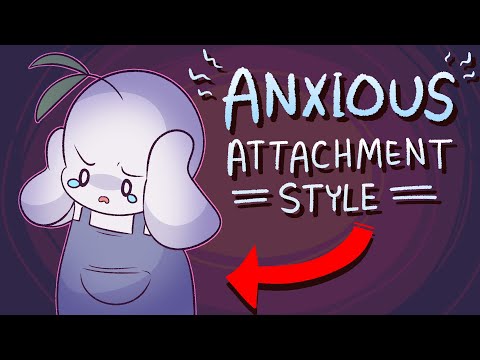
You know that feeling when you just can’t shake off someone? Like, they’re constantly on your mind, and it messes with your head? Yeah, that’s attachment issues for you.
It’s like having this invisible string tying you to people, but what if that string gets tangled or frayed? That’s where healing comes into play.
I mean, we all want to feel secure in our connections, right? But sometimes, things just don’t work out that way. And honestly, it can be rough navigating those emotional waters.
So let’s chat about it. Healing from severe attachment issues might sound tough—maybe even impossible—but trust me, it’s totally doable. You’ll find some hope here.
Overcoming Unhealthy Attachment: A Guide to Emotional Healing and Personal Growth
Alright, let’s chat about unhealthy attachment. It’s something many people deal with, and breaking free from it can feel overwhelming. You know, when we get really clingy or fear losing someone? That’s a big red flag. But don’t worry; healing is totally possible!
So, what exactly is unhealthy attachment? Well, it’s basically when your emotional bond with someone becomes too intense or codependent. Think of it like this: if you’re always feeling anxious when they’re not around or needing constant reassurance, that’s unhealthy. You’ve probably heard stories of friends who can’t seem to function without their partner. It’s tough!
A friend of mine once shared how she couldn’t enjoy life unless her boyfriend texted her back right away. The moment he didn’t reply, she spiraled into panic mode. Can you relate? It all comes down to that fear of abandonment.
Recognizing the Signs
- You feel anxious when you’re away from those you’re attached to.
- You might sacrifice your needs for others’ happiness.
- Your mood often swings based on the relationship’s status.
This leads us to the critical step: awareness. The first thing in overcoming unhealthy attachment is realizing you have it. Sounds simple, right? But trust me; once you identify those patterns in your behavior, it opens the door for change.
Next up: Self-reflection. Take some time to understand why you feel so attached. Were there experiences from childhood that made you crave closeness? Maybe a lack of stability taught you to hold on tight when someone shows affection?
Here are some strategies to help on this journey:
- Journaling: Write down your feelings and thoughts daily. Document what triggers your anxiety about relationships.
- Therapy: Talking things through can be transformative! A therapist can provide tools tailored just for you.
- Practice mindfulness: This one’s huge! Learning to stay grounded in the present really helps reduce anxiety.
I remember reading about a woman who started meditating every morning. At first, she struggled with racing thoughts about her partner but over time learned to breathe through those moments of panic instead of letting them control her.
Building healthy boundaries is also key in this process. Setting limits isn’t just about saying “no” but recognizing and honoring your own needs too! It’s like telling yourself that it’s okay to take time for yourself without feeling guilty.
A great way to practice this is by communicating openly with people close to you—let them know where you’re at emotionally and what support looks like for you right now.
Cultivating independence: This is super important! Focus on developing hobbies or friendships outside your main relationship. Taking time apart allows both parties the space they need for individual growth and helps ease that clinginess!
The journey toward breaking free from unhealthy attachments isn’t an overnight fix; it might take a little while before things start feeling more balanced and healthy. Just remember that every small step counts!
Your emotional healing is unique—it takes time, love, and patience with yourself. Change won’t come easy but keep pushing forward; you’ve got this! And ultimately, embracing both vulnerability and strength will steer you toward personal growth like nothing else can.
Understanding the Healing Timeline for Disorganized Attachment: What to Expect
So, let’s talk about disorganized attachment. It’s one of those attachment styles that can really mess with your relationships and emotional well-being. If you’ve been feeling confused about this or are curious about the healing process, you’re in the right place. Let’s break it down together.
Disorganized attachment usually roots itself in early childhood experiences, often related to inconsistent caregiving or trauma. It leaves people feeling anxious and frightened in relationships because they crave connection but fear it at the same time. This contradiction can lead to difficulties in trusting others or even yourself.
Now, if you’re on a healing journey for disorganized attachment, it’s essential to understand that it doesn’t happen overnight. Healing takes time—think of it as a marathon rather than a sprint. Here’s what you might expect along the way:
- **Awareness**: The first step is realizing your attachment style and how it’s affecting you. You might start noticing patterns in your thoughts and behaviors.
- **Exploration**: This involves diving into your past experiences—like when you’ve felt unsafe or neglected as a child. It can be tough, like reopening old wounds.
- **Therapy**: A great option here is engaging with a therapist skilled in attachment issues. They can help guide you through the maze of emotions and experiences.
- **Building Relationships**: You’ll want to practice forming secure relationships, even if it feels scary at first. This means learning to trust again but taking baby steps.
- **Self-Compassion**: Developing kindness toward yourself is crucial too. You may have been harsh on yourself for how you’ve felt or acted; try being gentle instead.
Think of someone named Sam who struggled with disorganized attachment. Sam often found themselves drawn to unhealthy relationships because they craved connection but also feared getting hurt. With therapy and consistent effort, Sam started recognizing their patterns and began building healthier connections with friends who respected their boundaries.
But here’s where things get real: healing won’t be linear! There might be setbacks—like feeling overwhelmed by intimacy one day and craving closeness the next. That’s totally okay! The important thing is that you’re moving forward, even little by little.
Another aspect is understanding that healing can bring up feelings of loss or grief for what you didn’t get as a child—the safe environment or nurturing relationships. It feels heavy sometimes, but acknowledging these feelings is part of the process.
So keep this in mind: while healing from disorganized attachment can take time—often many months or years—it leads to deeper self-awareness and healthier connections with others. Allow yourself grace throughout this journey; growth doesn’t happen overnight.
In summary, disorganized attachment healing isn’t just about fixing what’s broken; it’s about creating something new—a more secure sense of self and building nurturing relationships that feel safe and fulfilling over time. Stay hopeful!
Understanding Severe Attachment Issues in Adults: Causes, Symptoms, and Healing Strategies
Understanding severe attachment issues in adults can feel like unraveling a tangled ball of yarn. Attachment is built during childhood, shaped by our relationships with caregivers. If those early connections are rocky or inconsistent, it can lead to some serious problems later in life.
To start off, let’s look at the causes. Various factors can contribute to these attachment difficulties. They might stem from:
- Trauma: Experiencing abuse, neglect, or even a traumatic loss during childhood profoundly affects how we connect with others.
- Parental Styles: Parents who are overly critical or unresponsive can create feelings of insecurity in their children.
- Environment: Growing up in unstable situations—like frequent moves or financial struggles—can shake your sense of safety.
- Genetics: Sometimes, there’s just a biological piece of the puzzle that influences how we bond with others.
Now, what do those symptoms look like when they show up in adulthood? You might notice:
- Difficulties with Intimacy: A person could find themselves pushing others away or feeling incredibly anxious when relationships start getting close.
- Addictive Behaviors: Some may turn to substance use or unhealthy attachments as a way to cope.
- Mood Swings: Emotional ups and downs can be prevalent; feeling happy one moment and overwhelmed the next isn’t uncommon.
- Anxiety and Depression: A constant sense of insecurity can lead to pervasive anxiety or bouts of deep sadness.
So what do you do if you recognize this pattern in yourself or someone else? Healing takes time and effort but here are some strategies that can help:
- Therapy: Working with a therapist trained in attachment issues can offer valuable insights. Approaches like cognitive-behavioral therapy (CBT) focus on changing negative thought patterns associated with relationships.
- Avoidance of Isolation: It’s tempting to retreat when things get tough. Fighting that urge by engaging social support networks is crucial. You know those friends who always check up on you? Trust me; lean on them!
- Meditation and Mindfulness:Create space for self-reflection through meditation and mindfulness practices. They help center your thoughts and feelings, making it easier to handle emotional triggers.
- Breathe and Ground Yourself:If you’re feeling overwhelmed, take a minute to focus on your breath—counting slowly helps establish calmness in chaos!
It’s important not to shy away from the fact that healing isn’t linear. One day might feel great, while the next could drag you back into old patterns. That’s okay! What matters is recognizing those moments and working through them without judgment.
Also remember: connection isn’t just about romantic ties; friendships count too! Building secure bonds even outside romantic contexts creates a supportive safety net.
In short, understanding severe attachment issues isn’t just about identifying what’s wrong; it’s also about recognizing pathways toward healing. With courage and determination—and maybe a little help from friends—you can change the narrative around how you connect with others!
You know, attachment issues can be a real heavy weight to carry. I remember this one time when a friend of mine opened up about her struggles with relationships. She’d been through some tough stuff as a kid, and it shaped how she connected with people later on. Sometimes she felt so anxious about being rejected that she’d push folks away before they could hurt her. It was heartbreaking to see, honestly.
Healing from severe attachment issues isn’t just a walk in the park. It’s more like walking through a maze where you’re trying to find your way out while you’re blindfolded. First off, recognizing there’s an issue is huge! A lot of people might not even realize how their past affects their present.
So, what happens next? Therapy can be really helpful—like having a guide in that maze. You get to talk through your feelings and experiences, making sense of things you might have buried deep down. But it’s not all talking; sometimes it involves facing some pretty scary emotions, which can feel overwhelming.
The thing is, healing takes time and patience. It’s not like flipping a switch; it’s more gradual like watching the seasons change. You might have good days and bad days. That fluctuation is totally normal! You start to learn about healthy boundaries and different ways to trust people again.
Building connections becomes easier bit by bit as you practice these new skills. Like my friend eventually learned how to let someone in without fear gripping her throat all the time. She realized that relationships could be safe havens instead of potential landmines waiting to explode.
But hey, it’s also important not to forget about self-care along the way! Little things can make such a difference—jotting down thoughts in a journal or simply taking time for yourself can help ground you during those rocky moments.
So yeah, while healing from severe attachment issues isn’t simple or quick, every step you take brings you closer to healthier relationships—and ultimately, peace within yourself! Remember: you’re definitely not alone in this journey; many folks are rooting for you each step of the way!