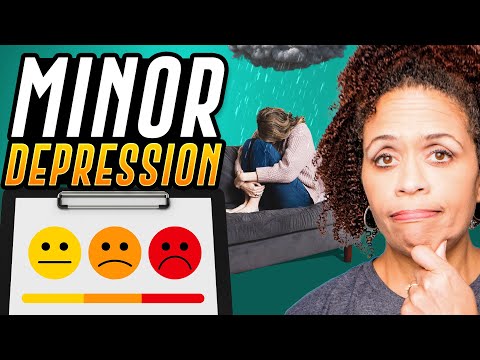
You know that feeling when everything seems heavy? Like, just getting out of bed feels like climbing a mountain? Yeah, that’s a tough spot.
Severe depression can hit hard. It’s not just “feeling sad” or having a bad day. It’s like being stuck in this fog you can’t shake off. And it’s okay to admit it—it happens to more people than you think.
But how do you really recognize when it crosses the line into something serious? What should you look for?
Well, let’s chat about it. We’ll break down the signs and symptoms, and I’ll share some personal stories along the way. So grab a cozy drink, and let’s get into this together!
Understanding the Clinical Presentation of Severe Depression: Key Symptoms and Signs
Severe depression can feel like a heavy fog that just won’t lift. You know, like when you’re stuck in a bad rainstorm without an umbrella? It’s tough, and recognizing it is super important.
When we talk about severe depression, we’re looking at a range of symptoms that really mess with day-to-day life. This isn’t just feeling sad for a couple of days. It’s way deeper than that.
- Persistent Sadness: The kind of sadness that lingers all day, every day. You might feel empty or hopeless.
- Lack of Interest: Activities you used to love? Yeah, suddenly they don’t seem fun at all. Like your favorite hobby turns into a chore.
- Fatigue: No matter how much sleep you get, you still feel drained. Even simple tasks can seem Herculean.
- Changes in Appetite: Some people eat way too much when they’re down; others can barely touch food. It’s like your stomach stops listening to your brain.
- Sleep Issues: Insomnia or sleeping too much? Both are common. It’s frustrating when you just want some decent rest!
- Difficulties Concentrating: Simple decisions become exhausting, and focusing on anything seems impossible—like trying to watch a movie while someone’s blasting music right next to you.
- Feelings of Worthlessness or Guilt: You might find yourself thinking that you’re not good enough, or feeling guilty over things that aren’t even your fault.
- Thoughts of Death or Suicide: This is really serious. If these thoughts pop up, it’s crucial to seek help immediately.
Have you ever felt like everything around you is gray? Well, that’s how it can be for someone who’s severely depressed. Plus, it doesn’t always look the same for everyone—which adds another layer of confusion.
Sometimes people put on a brave face and go through the motions at work or in public while inside they’re screaming for help. It’s not easy for them to ask for support either!
Here’s the thing: severe depression often creeps up slowly and intertwines itself with other issues like anxiety or stress from everyday life—making it tough to untangle everything.
If this sounds familiar—for you or someone close—it might be time to chat with someone who gets mental health stuff—like a therapist or counselor—because addressing these signs early can make all the difference.
So yeah, understanding severe depression is about recognizing these key symptoms and taking them seriously, because no one has to go through this alone! Always remember there are options out there for support and healing.
Effective Strategies for Coping When Depression Feels Unbearable
So, you’ve hit that wall. That feeling when depression seems like an unshakable weight on your chest? You’re not alone in this. Many people, at some point, feel like they’re stuck in a bottomless pit. But there are ways to cope when things get unbearably tough.
First off, acknowledging your feelings is crucial. Just sitting with that discomfort can be a huge step. It’s okay to feel what you’re feeling. Sometimes we try to push those emotions away or pretend they don’t exist, but they do! Recognizing them can help you start working through them.
Next up is reaching out for support. Seriously, talking to someone about how you feel can lighten that load a bit. It might be a friend, family member, or even a therapist—whomever you trust. It’s hard sometimes to share what’s going on inside your head, but even just saying it out loud can make it feel less daunting.
Another effective strategy is setting small goals. When depression hits hard, even the simplest tasks can seem monumental. If getting out of bed feels impossible today, try setting smaller goals: like just sitting up or moving to the couch for a change of scenery. Celebrate those tiny victories! They matter more than you think.
Now let’s talk about self-care routines. You know how they tell you to put on your own oxygen mask first? Well, caring for yourself is kind of like that! This could be anything from taking a warm shower to reading a book or stepping outside for fresh air. Find what soothes you and integrate those activities into your day.
A lot of folks find comfort in mindfulness and grounding exercises. Ever heard of deep breathing? Or maybe focusing on what’s around you at the moment—feeling the texture of something in your hand or listening closely to sounds in the environment—really helps bring us back into our bodies instead of spiraling into negative thoughts.
Also important is maintaining some kind of routine when possible. Having regular times for meals and sleep can help create stability in chaos. Those rituals might be all that keeps us tethered some days.
And hey, don’t forget about finding creative outlets! Engaging in art—like drawing or writing—or even playing music can serve as emotional release valves and get those feelings out in healthier ways.
Lastly, if nothing seems to ease that heavy fog over time and it feels unbearable day after day? It’s totally okay to seek professional help again. Sometimes medication or therapy adjustments are necessary to support you through tougher phases.
At the end of the day, remember: you’re not broken; you’re navigating through tough emotional waters that many others face too—not easy stuff by any means! There are steps forward; it’s just about finding what works best for you.
Exploring the 4 Main Causes of Depression: Understanding Your Mental Health
Depression can hit hard, and understanding its causes is a step towards feeling better. There are so many layers to it, but let’s break it down into four main causes that can contribute to this rough patch in your mental health.
1. Biological Factors
One big piece of the puzzle is our biology. Sometimes, depression runs in families—like that one quirky uncle you only see at holidays. If your parents or siblings have had depression, you’re more likely to experience it too. It could be linked to genetics or brain chemistry. You see, chemicals like serotonin and dopamine play a huge role in regulating your mood. When they’re out of whack, well, things can get dark.
2. Environmental Stressors
Then there are those environmental factors that can shake things up—a job loss or the end of a relationship can really do a number on you. I once knew someone who lost their job unexpectedly; it was tough for them. The stress piled on top of existing worries and before long, they were deep into a depressive episode. Events like these remind us how outside circumstances can impact our mental state.
3. Psychological Factors
Psychological makeup is another key player here. If you have low self-esteem or tend to see the glass as half empty—like worrying excessively about small problems—you might be more susceptible to depression. It’s like carrying around an invisible backpack filled with heavy rocks; over time, it just weighs you down emotionally.
4. Social Factors
Finally, let’s talk social factors—relationships matter big time! Isolation or lack of support from friends and family can lead you straight into the depths of depression. Think about how comforting it is when a friend listens after a tough day—it’s like sunshine breaking through clouds! Without that support network, everything feels amplified and harder to cope with.
So, what’s the takeaway? Depression doesn’t usually spring up for just one reason. It’s often a mix of biology, environment, psychology, and social factors swirling together like an unwelcome storm inside your mind. Recognizing what’s at play for you could be essential in finding pathways toward healing—and knowing when to reach out for help if things get overwhelming!
Severe depression can be like this heavy fog that rolls in and just hangs over everything. You don’t really notice it at first; it creeps up slowly, like that one friend who always seems to need a little more support but you don’t realize how much until they’re really struggling. It’s hard to pin down, you know?
When we talk about recognizing severe depression from a clinical viewpoint, it’s not just about feeling sad for a couple of days. It’s deeper than that—it’s like being stuck in quicksand. You’re aware of your surroundings, but every ounce of strength you have is pulled down by this invisible weight. One minute you’re sitting on the couch, scrolling through social media, and the next you’re completely overwhelmed by gloom and despair.
In clinical settings, professionals look for certain symptoms: persistent feelings of sadness or hopelessness, loss of interest in things you once enjoyed, changes in sleep patterns—either too much or way too little—and appetite changes too. Sometimes it can feel like a dark cloud just won’t lift no matter how many things you try to do to shake it off.
I remember a close friend who battled this fog for years without really realizing what was happening to him. He used to love playing guitar but eventually stopped picking it up because he didn’t feel “inspired” anymore. At first, I thought he was just busy with life stuff—work, relationships—but as time dragged on and his smiles faded into the background, I started wondering if there was something deeper going on.
That’s where clinicians come in with their sharp eyes and trained ears. They ask questions and help shine some light into those dark corners where people sometimes hide their feelings. A good therapist can help separate those heavy emotions from reality—a bit like cleaning clutter out of a room so you can see what you’re dealing with clearly.
It’s crucial to recognize the signs early because severe depression isn’t just about feeling bad; it’s a serious condition that can affect everything from your body to your relationships—and left unchecked? It can lead to even worse outcomes like self-harm or suicidal thoughts.
So yeah, if you or someone around you seems stuck under that weight day in and day out—it’s worth reaching out for support. Whether that’s talking to a trusted friend or finding a professional who understands the layers behind those feelings can make all the difference in pulling through it together.