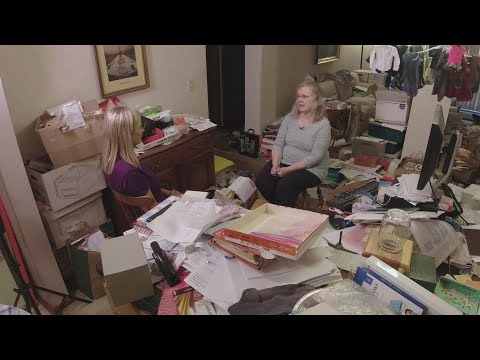
You know, it’s easy to think of hoarding as just someone being messy or having too much stuff. But there’s way more to it.
Imagine walking into a home packed to the brim with things—like a maze made of newspapers, old toys, and who knows what else. It’s kind of overwhelming, right?
But here’s the kicker: Behind that clutter lies a serious psychological struggle. A lot of people don’t realize how deeply hoarding can affect someone’s mental health.
It’s not just about the stuff; it’s about emotions, memories, and sometimes a feeling of loss.
So let’s chat about this tricky topic and what it really does to those who find themselves in its grip.
Can Hoarders Overcome Their Challenges? Exploring Recovery Paths and Success Stories
It’s tough to fully grasp what someone dealing with hoarding is going through unless you’ve seen it up close. Hoarding can really mess with your head, you know? It’s not just about having too much stuff—it’s a complex emotional and psychological struggle. The good news? Yeah, people can and do overcome these challenges, but it’s not a walk in the park.
Let’s talk about why people hoard. A lot of times, it stems from deep-seated feelings like anxiety, trauma, or loneliness. Imagine feeling an overwhelming sense of loss or fear that leads you to hold onto every little thing because it feels safer that way. It’s like each item represents a piece of stability in a chaotic life.
So, how does recovery happen? Basically, there are several paths. Here are some important ones:
- Therapy: Cognitive Behavioral Therapy (CBT) is commonly used. It helps change negative thought patterns about possessions.
- Support Groups: These can be super helpful! Sharing experiences with others who get it creates a sense of community.
- Gradual Decluttering: A slow approach often works better than trying to clear everything at once. Small victories lead to big changes!
- Professional Organizers: Sometimes bringing in an expert can make the process smoother and less overwhelming.
Remember Sara? She started her recovery journey after her family staged an intervention. At first, she was defensive—who wouldn’t be? But slowly she opened up during therapy sessions. With the help of a therapist and support group, she learned how to challenge her fears about letting go of items that didn’t serve her anymore.
It takes time and patience—lots of it! You have to work on those underlying feelings that fuel hoarding behavior. But guess what? Success stories abound!
People like Tom found relief by confronting their past trauma rather than hiding behind their piles of stuff. Some have even gotten whole documentaries made about their journeys! They prove it’s possible—seriously!
But yeah, setbacks happen too; recovery isn’t linear. Some days will feel like two steps forward; other days might feel like one step back. That’s no reason to lose hope!
To sum it up: hoarding recovery is possible, but it’s definitely not easy-peasy lemon squeezy! With proper support and lots of understanding (for yourself and from others), you can move towards a healthier relationship with your possessions—and hey, even lightening your load physically can sometimes lighten your load emotionally too!
Understanding the Mental Illnesses Commonly Associated with Hoarding Disorder
Hoarding disorder is a complex and often misunderstood condition. Basically, it involves an overwhelming urge to collect items, regardless of their actual value or usefulness. People with hoarding disorder might fill their homes with things like newspapers, clothes, or even random objects. This can lead to significant distress and actually affect their ability to live normally.
There are a few common mental health conditions linked to hoarding disorder that make it even more complicated. First up is **depression**. Many folks who hoard experience feelings of sadness or hopelessness. They might use collecting as a way to cope with these heavy emotions. Imagine feeling so overwhelmed by life that gathering a few old magazines feels like the only thing that makes sense.
Another one is **anxiety disorders**. You know, there’s this constant fear of losing items that seem essential, even if they aren’t? This can trigger intense anxiety when the thought of getting rid of something pops up. It’s like having a safety blanket made of junk—you feel secure holding onto all that stuff.
Then there’s **obsessive-compulsive disorder (OCD)**. People with OCD often have intrusive thoughts or compulsions that can lead them to hoard items out of fear of something bad happening if they don’t keep them. You can think of it like being stuck in a loop where throwing something away equals disaster.
There’s also the possibility of issues from **past trauma** playing a role in hoarding behavior too. For some individuals, the act of keeping things might be connected to loss—maybe they lost someone important and now hold onto items as a way to feel close to that person again.
Furthermore, social isolation can hit hard for those dealing with severe hoarding behaviors. It’s tough when you find yourself ashamed or embarrassed about your living situation, which often leads people to withdraw from family and friends. Can you imagine feeling so trapped by your own stuff that you avoid inviting anyone over? It’s heartbreaking.
In summary, understanding the mental illnesses commonly associated with hoarding disorder reveals how intertwined these issues really are:
- Depression: feelings of sadness linked with collecting.
- Anxiety Disorders: fear related to losing items.
- OCD: compulsive behaviors tied to maintaining possessions.
- Trauma: keeping items as reminders.
- Social Isolation: withdrawal due to shame about living conditions.
The thing is, treating hoarding disorder requires compassion and understanding from professionals and loved ones alike. It takes time and effort—there’s no magic fix here—but acknowledging these underlying issues is definitely a step in the right direction toward healing.
Effective Strategies to Reverse Hoarding: A Step-by-Step Guide to Decluttering Your Life
Hoarding can really take a toll on your life, both mentally and physically. It’s not just about having too much stuff; it often stems from deeper psychological issues. If you or someone you know is struggling with hoarding, it’s important to understand that there are effective strategies to help reverse these behaviors. Let’s break it down together.
First off, you need to recognize the emotional side of hoarding. Many people hoard because they attach sentimental value to items, or they fear losing things. This can create a heavy burden. Like, imagine trying to walk through your own home but feeling overwhelmed by piles of stuff; it can be downright suffocating.
When you decide it’s time for change, start small. You don’t have to tackle everything at once! Pick one area, like a single drawer or a corner of a room. Focus on what’s manageable so you don’t feel totally overwhelmed from the get-go.
Next, consider these key strategies:
Remember that properly addressing the emotional triggers behind hoarding is crucial too. It can be hard to let go when every item feels significant. Sometimes speaking with a therapist who specializes in hoarding disorders can really help unpack those feelings and get to the root of why things got overwhelming in the first place.
Another thing is establishing some rules about what comes into your space moving forward. For instance, maybe commit to an “one in, one out” policy: if something new comes in, something else has to go out.
As you’re decluttering and dealing with those emotional ties, practice mindfulness. This might mean taking deep breaths before diving into sorting through belongings or reflecting on what truly brings joy into your life.
Decluttering isn’t just about cleaning up; it’s really about creating space for better mental health and well-being too! It may become clearer that letting things go leads not only to physical space but also some much-needed mental relief.
So keep going at it bit by bit—progress takes time! Remember: you’re not alone on this journey; lots of folks face similar struggles with hoarding behaviors, and reaching out for help makes all the difference.
Hoarding is one of those things that you might not think about until you come across a story or a documentary. You know, it’s often portrayed as just a quirky obsession—people with piles of stuff stacked to the ceiling. But there’s way more to it than that. Seriously, it can be a heavy, emotional burden not just for hoarders but for their loved ones too.
I remember hearing about a woman named Jane. She was sweet, always ready with a smile, but her house was filled to the brim with newspapers, old clothes, and countless trinkets. It looked like stepping into another world, really. Her friends were worried; they’d come over and try to help her clear out some things, but Jane would get defensive and even angry. That’s the thing—you might think it’s just “stuff,” but for people like Jane, every item has meaning or memories tied to it.
The psychological toll is huge. Imagine feeling so overwhelmed by life that you cling onto things as if they’re your lifeline? Hoarding can stem from deeper issues like anxiety or trauma, where the fear of losing something becomes paralyzing. It’s not just about physical clutter; it’s emotional chaos too! Friends and family often feel frustrated and helpless watching someone they care about struggle in this way.
And here’s what stings: most hoarders are aware on some level that their behavior is problematic, but they feel trapped in a cycle of shame and guilt. Can you picture trying to clean up your life when every single item feels like an anchor weighing you down? It becomes this vicious cycle where the clutter grows along with isolation feelings.
Therapy can be super helpful for addressing these issues—like cognitive-behavioral therapy (CBT), which focuses on changing unhelpful thoughts and behaviors—but getting started can be tough! People often need support to see that asking for help isn’t weakness; it takes courage.
If we take a moment to step back from judgment and really listen to someone struggling with hoarding behaviors—acknowledge their emotions—it could make all the difference in the world. For those like Jane, understanding goes beyond seeing messiness; it means seeing them as whole people dealing with real fears and pain beneath those stacks of newspapers or boxes.
So next time you hear about hoarding or encounter someone dealing with it, remember: it’s not just about cleaning up messy rooms but also healing emotional wounds that are deeply rooted in their lives.