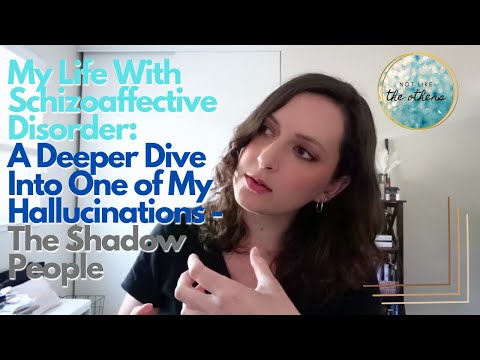
You know those moments when you’re just chilling and you get that weird feeling, like someone’s watching you? Or, like, you peek around and—bam!—there’s nothing there?
For some people, those fleeting shadows can morph into something much more intense. They call them Shadow People. Sounds spooky, right?
There’s this connection between Shadow People and schizophrenia that’s pretty wild. But it’s not just about ghosts or creeps lurking in the corners.
Let’s chat about what’s really going on in the mind when these experiences pop up. It’s all about understanding perception, reality, and how our brains can sometimes play tricks on us. So come on, let’s dig deeper into this intriguing mix of psychology and the eerie unknown!
Exploring the Phenomenon of Shadow People in Schizophrenia: Insights and Understanding
So, let’s talk about this intriguing topic—shadow people and schizophrenia. It sounds a bit spooky, right? But it’s really about understanding what some folks experience when they deal with schizophrenia.
What Are Shadow People?
Basically, shadow people are those eerie, dark figures that some individuals report seeing out of the corner of their eye. They often feel like they’re watching you or lurking around. For many, these experiences can be genuinely frightening.
Now, if we dig into schizophrenia—a condition that affects how a person thinks, feels, and behaves—you can see why shadow people might come into play. Schizophrenia is complex and can include symptoms like hallucinations or delusions. These symptoms can cause someone to perceive things that aren’t there, which is where those shadowy figures might pop up.
Why Do They Happen?
One reason could be linked to the brain’s perception system. When someone is experiencing hallucinations, their brain might misinterpret visual information. It’s like your brain is playing tricks on you! Instead of clearly seeing something real, it fills in the gaps with those dark shapes.
Also, fatigue or stress can really amplify these experiences. Imagine being super worn out after a long day; your mind starts to play games with you. It’s not uncommon for someone under significant stress to see shadowy figures.
Are They Always Scary?
Surprisingly, not everyone finds these shadows terrifying! Some people describe them as just unsettling but not harmful. Others may feel they carry messages or even protect them in some way. The vibe totally changes depending on personal experiences and beliefs.
Treatment and Support
Understanding and addressing these phenomena often goes through therapy or medication for managing schizophrenia overall. Treatments aim to reduce symptoms and help folks cope better with their experiences. And remember: support from family and friends plays a huge role too!
Feeling alone can ramp up anxiety about seeing things that aren’t there; having a supportive network helps ground someone back in reality.
The Bigger Picture
Shadow people are just one piece in the puzzle of living with schizophrenia. Each experience is unique because we all perceive the world differently based on our individual circumstances.
So yeah, while shadow people can feel scary and confusing for many dealing with schizophrenia, it’s helpful to remember there are ways to navigate those feelings—and plenty of folks out there who understand what you’re going through!
Understanding Schizophrenia: Do Those Affected Experience Visual Hallucinations Like Shadows?
Understanding schizophrenia can be super complex, and it’s one of those topics that really needs a deeper look. People often have this idea that if someone has schizophrenia, they must see crazy things, like monsters or shadowy figures lurking around. And while that can happen, let’s unpack the idea of **visual hallucinations**, specifically about seeing shadows.
First off, **schizophrenia** is a serious mental health condition that affects how a person thinks, feels, and behaves. It can lead to different types of hallucinations. You might think of them as seeing or hearing things that aren’t actually there. The reality is, not everyone with schizophrenia will experience the same symptoms. It’s pretty unique to each person.
When it comes to **visual hallucinations**, some individuals do report seeing shadows or shadowy figures often referred to as «shadow people.» These aren’t just random visions; they can feel very real and frightening. Picture this: you’re sitting in your room alone at night when suddenly you see a dark figure creeping in the corner of your eye. You glance over but it’s gone—it gives you chills, right? This is often described by those who experience these types of hallucinations.
Now, why do these visual experiences occur? Well, our brains are super complicated machines. When someone has schizophrenia, certain parts of their brain process information differently. This can cause them to interpret things in bizarre ways—like turning everyday shadows into terrifying entities.
It’s also important to understand that these experiences can be tied to feelings like fear or anxiety. Imagine feeling really stressed out and then suddenly seeing shadows; your brain might be on overdrive, trying to make sense of everything around you.
Here are some key points about visual hallucinations in schizophrenia:
So yeah, while shadow-like figures are part of some people’s experiences with schizophrenia, it’s essential not to generalize this across the board. Everyone’s journey with mental health is deeply personal and shaped by their own life stories and struggles.
The bottom line is this: If you know someone facing these challenges—or if you’re going through it yourself—remember there’s support out there! Understanding is key. No one should have to navigate these intense feelings alone; there are professionals ready to lend a helping hand when needed.
Understanding Shadow Figures: Do People with Schizophrenia Experience Visual Hallucinations?
So, let’s talk about something that can be pretty intense: **shadow figures** and how they relate to schizophrenia. Those dark shapes can really freak people out. So, what’s the deal with them and visual hallucinations?
First off, **schizophrenia** is a serious mental health condition. It messes with how a person thinks, feels, and behaves. Now, when we think of hallucinations, we usually picture someone seeing things that aren’t really there. In this case, those shadowy figures can pop up in a person’s life.
- Many folks with schizophrenia do experience visual hallucinations.
- These might include seeing shadow people or other strange figures lurking around.
Imagine a friend you have who starts telling you about these shadows creeping along the walls at night. They swear they see them when they’re trying to sleep. It sounds spooky, right? But for them, it’s their reality at that moment.
Now, you might wonder why this happens. Well, one reason could be linked to the brain’s way of processing information when someone has schizophrenia. Their mind might mix up what’s real and what isn’t due to changes in brain chemistry and structure.
Also consider this: stress and lack of sleep can amplify these experiences. Think about those times when you’re super stressed—your imagination runs wild! For someone dealing with schizophrenia, that stress may bring those shadowy figures into sharper focus.
It’s important to remember not everyone with schizophrenia sees these things though—each person’s experience is unique. In fact:
- Some may hear voices instead of seeing shadows.
- Others may have a mix of both auditory and visual hallucinations.
But back to shadow figures! They often appear as dark silhouettes or shapes without defined features. It makes sense why individuals would find them unsettling; it taps into deep fears we all sort of have about the unknown.
Understanding these experiences is key. Instead of dismissing them outright as mere tricks of the mind, validating what someone feels or sees goes a long way in helping them cope with their symptoms.
Treatment often includes therapy and medication aimed at reducing those hallucinations—making life feel a bit less haunted by shadows! Cognitive Behavioral Therapy (CBT) can help some folks find ways to manage these experiences better.
In summary, **shadow figures** are indeed something some people with schizophrenia experience as part of their visual hallucinations. And though it sounds eerie to us on the outside looking in, being understanding and supportive can make all the difference for those living through it daily.
So yeah… that’s the scoop on shadow people and how they fit into schizophrenia!
Have you ever been in a dark room, just chilling, maybe scrolling on your phone, and suddenly you catch something out of the corner of your eye? Maybe it’s just the shadows playing tricks on you. But for some people, those shadowy figures aren’t just figments of imagination—they feel real, and they can be downright terrifying.
You see, “shadow people” are often described as these fleeting entities that some folks claim to see during episodes of sleep paralysis or in states of heightened anxiety. For someone with schizophrenia, seeing these figures can be more common than you might think. It’s like their reality is tinted in a way that makes it hard to distinguish what’s truly there and what isn’t.
Now imagine being someone who’s already dealing with the confusion and fear that schizophrenia can bring. Your mind might start whispering some pretty intense things to you—things that aren’t really happening but feel like they are. I remember talking to my friend Sam about this once. He opened up about feeling haunted by shadows at night after his diagnosis. It was heartbreaking to hear him describe how he’d wake up and see dark shapes lurking near his bed, even during broad daylight. It made me realize just how tough it is for individuals who experience this kind of distortion.
When we talk about schizophrenia, many think about voices or delusions, but these shadowy figures paint a different picture—one where fear slinks around like a cat in the night. The brain can do some wild stuff when chemicals get imbalanced; it’s like a movie screen in your head is showing scenes no one else can see or understand.
From a psychological standpoint, there’s still much we don’t know about why these experiences happen. Some researchers suggest that stress and trauma could play significant roles in triggering hallucinations or seeing shadow people. It’s interesting—and kind of scary—to think about how the mind works under different pressures.
In therapy settings, talking through these experiences is essential for those struggling with schizophrenia. It helps them find ways to cope with what feels very real but isn’t actually part of our shared reality. Creating safe spaces where people can express their fears and doubts without judgment? That’s crucial.
Ultimately, whether it’s shadows lurking in dimly lit corners or experiences tucked away in someone’s mind, what matters is understanding that everyone’s reality is unique—even if it’s a bit twisted sometimes. And having compassion for those who navigate these shadows is key to helping them find light again.