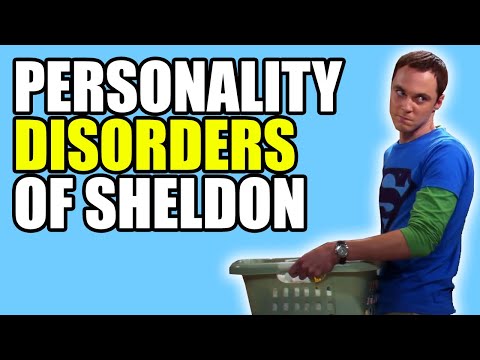
You know Sheldon Cooper, right? That guy from «The Big Bang Theory»?
Well, he’s not just a quirky genius. He’s a whole mood!
Ever wondered what his personality type says about him?
Like, it’s kinda wild how his brain works. I mean, who else would take everything so literally or have a steadfast routine like it’s their religion?
So let’s break down ol’ Sheldon’s MBTI profile. It not only helps explain why he is the way he is but also gets us thinking about how all our personalities shape our lives and relationships.
You with me? Cool! Let’s go!
Exploring the Psychology of Sheldon Cooper: A Deep Dive into His Character and Mindset
Sheldon Cooper, you know, that quirky genius from «The Big Bang Theory,» is a fascinating character when you look at him from a psychological angle. His behaviors and thought patterns really give us some insight into his mind. At the core of his character is the classic *INTJ* personality type according to the Myers-Briggs Type Indicator (MBTI). This means he’s all about logic, structure, and prefers to plan things out rather than just going with the flow.
1. Intuition over sensing: Sheldon relies heavily on his intuition and loves abstract ideas. He doesn’t just see what’s in front of him; he thinks way beyond that. For example, when friends are chatting about everyday stuff, he’s often lost in thoughts about theoretical physics or comic book universes.
2. Thinking over feeling: Emotions aren’t really Sheldon’s forte. He tends to approach situations with cold hard facts rather than feelings. Remember that time when his girlfriend Amy wanted him to understand her emotional needs? He struggled so much because emotions just don’t compute for him like equations do.
3. Judging over perceiving: Structure is everything for Sheldon! He has routines that he sticks to religiously—like his spot on the couch (seriously, don’t even think about sitting there). This need for order helps him feel in control, especially since he often feels overwhelmed by social situations.
Look, it’s not just about having a quirky personality; it’s also about how Sheldon’s traits affect his relationships and interactions. He often struggles with empathy and social cues, which makes friendships complicated for him.
But here’s where it gets interesting: Sheldon’s psychological makeup can sometimes create barriers but also opens doors to unique strengths. His focus and determination lead him to achieve amazing things in science. People with similar traits often excel in analytical fields because they can concentrate intensely—perfect for those who thrive on problem-solving.
Now let’s talk about one emotional moment that sticks out in the series: when Sheldon has a meltdown over change or uncertainty—like with his relationship dynamics or career challenges. It shows that beneath all that logic is a person who does feel anxiety; he just processes it differently than most folks would.
So basically, exploring Sheldon Cooper’s character through psychology gives us insights into how certain traits can shape identities and interactions with others—and how even someone who’s considered «genius» can struggle emotionally too! It’s all part of being human, right?
Unveiling Sheldon Cooper’s MBTI: Understanding the Personality Behind the Iconic Character
So, let’s talk about Sheldon Cooper from *The Big Bang Theory*. This guy is a genius physicist, but he’s also, well, quite a character. When you think about his personality type, many people jump to the conclusion that he fits into the MBTI (Myers-Briggs Type Indicator) profile of **INTJ**—that’s Introverted, Intuitive, Thinking, and Judging.
Introverted means Sheldon usually prefers his own company and doesn’t go chasing after social events. Remember how he always avoids crowded places? Yeah, totally fits the bill. He’s not shy; it’s more about energy levels. Socializing drains him.
Then there’s that Intuitive part. Sheldon sees the bigger picture and focuses on patterns rather than just what’s right in front of him. You know? Like when he talks about theoretical physics and makes leaps in logic that leave others scratching their heads.
When we get to Thinking, this one is pretty obvious. Sheldon loves logic over emotions. He often dismisses feelings as irrelevant, which can be a tad frustrating for his friends (especially Penny!). Anyone remember when he’d prioritize an experiment over a friend’s emotional crisis? Whoa! Classic Sheldon.
And finally—Judging. That means he likes structure and plans everything down to the last detail. Seriously! His roommate agreements are like legal contracts! This need for order can make life with him quite… intense.
Now picture this: managing friendships requires emotional intelligence and flexibility, which are not Sheldon’s strong suits. He might come off as blunt or socially awkward because he’s just being true to himself. That doesn’t mean he doesn’t care; it’s just how his brain works.
In terms of psychological implications, being an INTJ can lead to some unique challenges for someone like Sheldon. They might struggle with interpersonal relationships or see conflicts as logical puzzles rather than emotional issues. Imagine navigating friendships when your brain is wired for data analysis instead of heart-to-heart chats!
It’s interesting how these personality traits manifest in real life too. INTJs are often seen as highly capable but can come across as cold or detached because they don’t communicate feelings well. That resonates with Sheldon big time!
So yeah, Sheldon’s character really shines a light on how different personality types can impact relationships and daily life experiences. In a nutshell: while INTJs like him may thrive in structured environments where they can apply their intelligence, they’ve got some work to do when it comes to understanding emotions—and maybe even some friendships along the way!
Exploring Sheldon’s Emotional Intelligence: Does He Really Lack It?
So, let’s talk about Sheldon Cooper from *The Big Bang Theory*. If you’ve seen the show, you know he’s a genius physicist with a mind for science but has some serious struggles when it comes to understanding feelings and emotions. It begs the question: does he really lack emotional intelligence?
First, it’s important to define what *emotional intelligence* (or EI) actually means. Basically, it’s the ability to recognize, understand, and manage your own emotions while also being aware of others’ feelings. So, in simpler terms, it’s like having a superpower in relationships and social settings.
Sheldon definitely shows signs of low emotional intelligence. For one thing, he often misses social cues. You know those moments when someone’s upset but trying to hide it? He can’t seem to pick up on that vibe at all! Instead of offering comfort or understanding, he sometimes just states the obvious or makes awkward jokes.
Here are a few key points about his emotional struggles:
Now picture this: In one episode, Penny gets upset over her acting career not taking off. Instead of comforting her or acknowledging her feelings, Sheldon just lists all the logical reasons why acting is statistically unlikely to lead to success. Ouch! That shows how far removed he is from empathizing with her situation.
But here’s where things get a little complicated. Some people argue that Sheldon does show moments of emotional intelligence—just in his unique way. For example, his caring actions toward his friends sometimes highlight an underlying sense of loyalty. He may not express emotions like most do, but that doesn’t mean he doesn’t care.
It’s also worth considering Sheldon’s background. Growing up as a child prodigy likely had its own set of challenges—like being isolated from peers and missing out on typical childhood experiences that teach emotional skills.
In terms of an MBTI profile—he’s often typed as INTJ (Introverted Intuitive Thinking Judging). This type tends to be analytical and strategic but can struggle with personal relationships since they prioritize logic over emotion.
To sum it up: Sheldon Cooper definitely has some challenges with emotional intelligence. But remember that every person has unique ways of processing feelings and connecting with others—even if they look a bit different from what we expect! And even if he’s not nailing those emotional connections every time, there’s still something very real about how devoted he is to his friends in his own quirky way.
So, let’s talk about Sheldon Cooper from “The Big Bang Theory.” You know, the guy with the spot on the couch and an intellect that’s off the charts? He’s often typed as an INTJ in MBTI—Introverted, Intuitive, Thinking, Judging. And honestly, it makes a ton of sense when you think about it.
Imagine if you had a friend who could recite every scientific fact and theory known to man but struggles to understand social cues. That’s Sheldon for you. Being introverted means he prefers his own company or just hanging out with his close-knit crew rather than seeking out large groups or parties. This is so relatable! We’ve all felt that pressure to socialize when all we really want is a cozy evening with our favorite show—or in Sheldon’s case, a good physics lecture.
Now, the intuitive aspect shows how he tends to focus on big ideas rather than details. Like when he talks about quantum mechanics—his eyes light up while everyone else looks like they’re trying to solve a Rubik’s Cube blindfolded. You can almost feel that disconnect sometimes. I remember chatting with my friend who’s super into astrophysics; listening to them feel like living in a different universe entirely. Such passion can be inspiring but overwhelming!
Then there’s the thinking part; man, he could win awards for logic! Emotions? Not really his thing unless they’re tied into some complex equation or scientific principle. This makes him come across as cold or unfeeling at times—which brings in a lot of comedic tension in the show and real-life conversations too. You might have experienced moments where people misunderstand your logical approach as lacking empathy. It’s tricky navigating that balance.
And let’s not forget judging—Sheldon likes order and structure… like having everything labeled and organized precisely (including his food). I mean, we all have our quirks about how things should be done! But this need for control can also lead to conflict when life throws curveballs at him, disrupting his little routines.
What’s interesting here is how such traits can highlight broader psychological themes: perfectionism vs flexibility, social awkwardness vs deep intelligence, and so on. Watching Sheldon navigate friendships is kind of eye-opening; it reflects how different personality types process relationships—not just romantically but in friendships too.
So yeah, exploring Sheldon Cooper’s MBTI profile isn’t just about pinpointing traits but also seeing how these quirks play out in real life—showing us both humor and depth in our human experience. It reminds me that while we might think differently or struggle socially at times, those differences make us uniquely ourselves—and that’s pretty cool!