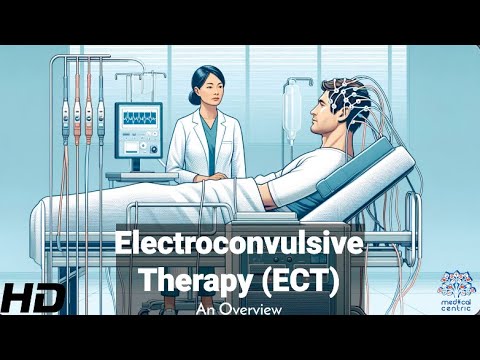
You know, depression can feel like this heavy weight sitting on your chest. It’s tough, really tough. Sometimes, it seems like nothing works, right?
That’s where shock therapy comes in. I know what you’re thinking—sounds a bit scary, huh? But it’s not like the movies. This therapy has actually helped a lot of people find relief from that dark cloud.
Let me tell you—there’s more to it than meets the eye. So, if you’re curious about how this treatment really works and why people are starting to talk about it more openly, stick around!
Understanding Life After ECT Treatment: Insights and Recovery Strategies
Life after ECT treatment can feel like stepping into a new chapter, sometimes overwhelming but full of possibilities. ECT, or electroconvulsive therapy, is a treatment often used for severe depression, especially when other methods haven’t worked. So, what do you do once you’ve gone through the treatments? Let’s break it down a bit.
First off, what happens after ECT? You may experience some changes in your daily life. Memory lapses can happen right after treatment, which might be frustrating. Some folks forget recent events or conversations. It’s usually temporary but can vary in duration for each person. And that’s normal; your brain just needs time to bounce back.
Then there’s the emotional stuff to consider. You might feel a mix of relief and uncertainty—like riding a wave of hope but also anxiety about what lies ahead. It’s perfectly natural to have those feelings! Just remember that progress takes time.
Now let’s talk about strategies for recovery. Here are some things that might help:
- Pace Yourself: Take it slow when diving back into daily routines. It’s okay to ease into things rather than forcing yourself to jump back in completely.
- Connect with Others: Reaching out to friends or family can provide support and comfort. Sometimes just sharing how you feel helps immensely.
- Therapy: Continuous therapy is key post-ECT, whether it’s talking through emotions or working on coping strategies.
- Create a Routine: Establishing a daily structure can provide stability and predictability during recovery.
- Self-Care: Prioritize sleep, nutrition, and exercise. Simple things like taking walks or cooking healthy meals can make a big difference.
- Avoid Stressors: If possible, try steering clear of major stressors while your mind is healing.
So what about safety concerns? Some people worry about the side effects of ECT—like headaches or muscle aches—but most find these effects manageable with proper care and support.
Also, keep an eye on your mood over time. As the fog starts lifting post-treatment, it’s common for emotions to surface more clearly than before. Talk with your healthcare team if you notice significant mood swings or changes—those are things they want to know about!
And remember: recovery isn’t linear. There will be ups and downs along the way; that’s part of healing from anything challenging. Celebrate those small victories! Remember when you finally got out of bed early one morning? That counts!
It might take some time before you’re feeling like yourself again—or maybe even better than before—but hang tight and be gentle with yourself through this process! Life after ECT can lead you toward brighter days if you keep moving forward one step at a time.
Understanding How ECT Effectively Alleviates Depression Symptoms
Understanding ECT and Its Role in Depression Treatment
Electroconvulsive therapy, or ECT, has been around for quite a while, and people often have mixed feelings about it. Some think of it like it’s straight out of a horror movie. But the truth is? It can be seriously effective for treating depression, especially when other treatments haven’t worked.
So, what does ECT actually do? Basically, it sends small electrical currents through your brain. These currents trigger a seizure, which might sound scary, but it actually helps reset how the brain functions. Because here’s the thing: in people with depression, certain brain activity can get all out of whack. ECT kind of flips the switch and helps to restore balance.
Why Does It Work?
The effectiveness of ECT can be broken down into several reasons:
Now, let’s zoom in on some *real-life* experiences for context. I remember talking to someone who had been battling major depressive disorder for years. She had tried countless medications and therapy sessions but just wasn’t seeing enough improvement. After weighing her options and discussing with her doctor, she decided to try ECT. Within weeks after starting treatment, she described feeling like she could finally breathe again—it was as if layers of despair had been lifted off her shoulders.
The Procedure
Here’s how an ECT session typically goes down:
First off, you’ll usually have a chat with your doctor about what to expect—this part is super important because you want to feel comfortable going into it! And then you’ll receive anesthesia so that you won’t feel any pain during the procedure.
After that? The medical team places electrodes on your head and delivers those electrical impulses while monitoring everything closely. A quick seizure follows—a few seconds—and then you wake up feeling groggy but safe.
Most patients undergo several sessions over a few weeks; the exact number varies by individual needs.
Possible Side Effects
Now before jumping in feet first, it’s good to know there are potential side effects—like with any treatment. Some might experience confusion right after treatment or minor memory loss (mostly around events close to when they got treated). But these issues often fade over time as well.
In short? While experiencing something like ECT may sound daunting at first glance, many find incredible relief from their depression symptoms afterward—a real game-changer for life quality!
So there you go! Understanding how ECT effectively alleviates depression symptoms gives insight into its role in mental health care—providing hope where maybe none existed before while reminding us that our brains are complex yet beautifully adaptable.
Exploring ECT: Does Electroconvulsive Therapy Worsen Depression Symptoms?
When we talk about Electroconvulsive Therapy, or ECT for short, it’s important to really get what it is. Basically, ECT is a treatment where small electric currents are passed through the brain, intentionally triggering a brief seizure. This might sound scary, right? But it can actually be a lifesaver for some people struggling with severe depression.
You might wonder how it works and why anyone would choose this kind of treatment. Well, the thing is, ECT has been used since the 1930s to treat various mental health issues, primarily depression. It’s especially useful when other treatments like medications or therapy haven’t worked out well. Some folks say it feels like a reset button for their brains—like getting out of this really dark place they’ve been stuck in.
Now, let’s tackle the big question: does ECT worsen depression symptoms? To put it plainly: **it generally does not**. Most studies show that ECT can significantly reduce symptoms of severe depression after just a few sessions. But you know how it goes—everyone’s different. Some people might initially feel disoriented or confused after treatments, which can be tough.
Here are some key points about how ECT affects depression:
- Immediate Effects: Right after treatment, some patients report feeling a bit foggy or having temporary memory issues. This isn’t fun! But these effects usually fade over time.
- Long-term Relief: Many who undergo ECT report significant improvement in their mood and overall quality of life after several sessions.
- Safety Concerns: While there are risks associated with any medical procedure—like memory loss—the overall consensus is that when done correctly, ECT is safe.
- Not for Everyone: It’s usually reserved for cases where depression is really bad or when immediate intervention is necessary.
It kinda reminds me of a friend who battled deep depression for years. He tried everything—medications made him feel numb and therapy felt like running in circles sometimes. Eventually, he gave ECT a try under careful guidance from his doctors. The first few sessions were rough; he felt strange and grappling with memory hiccups wasn’t cool at all. But as he continued treatment, something changed—the clouds began to lift! He started finding joy in things he hadn’t enjoyed in ages.
So here’s the takeaway: While **ECT can seem intimidating**, its potential benefits often outweigh the initial side effects for many people battling severe depression. And no one wants to feel stuck in those heavy clouds forever! That said, always discuss options thoroughly with your healthcare provider if you’re considering this route—it’s crucial to have all your questions answered before diving into any treatment plan.
The journey through mental health is unique for each individual and finding what works best can take time and patience. Whether it’s through therapy like CBT (Cognitive Behavioral Therapy), meds, exercise or even ECT—finding relief from those dark places really matters!
So, shock therapy, huh? I mean, when people hear “shock therapy,” they might get a bit freaked out. It kinda sounds like something out of a horror movie. But really, it’s a lot more nuanced than that—and it’s actually been used effectively for treating depression in some cases.
First off, let’s get one thing straight: I’m not talking about the old-school version with straight jackets and dramatic music playing in the background. We’re on a whole new level now. Today’s electroconvulsive therapy (ECT) is way more refined and can be a real lifesaver for people who’ve tried everything else and still feel trapped by their depression.
Think about someone close to you who has struggled. Maybe they tried therapy, medications—you name it—and nothing seemed to work. That feeling of helplessness can be gut-wrenching for both them and the people who care about them. ECT isn’t usually the first option doctors go for; it’s often considered when other treatments have failed or if someone is in dire straits—like severe depression with suicidal thoughts.
When I think about how effective it can be, I remember a friend of mine who had been battling severe depression for years. They were on all sorts of meds but just felt like they were stuck in this endless loop of darkness. After discussing it with their doctor (and doing loads of research), they decided to give ECT a shot. The results were pretty stunning—over time, they started feeling like themselves again!
Sure, there are side effects—like memory issues or confusion right after treatment—but many people find those diminish over time and are totally worth it compared to the weight of crippling depression.
So yeah, while shock therapy might sound alarming at first glance, it’s essential to understand that it’s a legitimate option in mental health treatment nowadays. It’s not some scary Frankenstein experiment; rather, it’s an evidence-based approach that has brought relief to many who felt hopeless before finding this path. It’s more about giving folks another chance at life—something we could all root for!