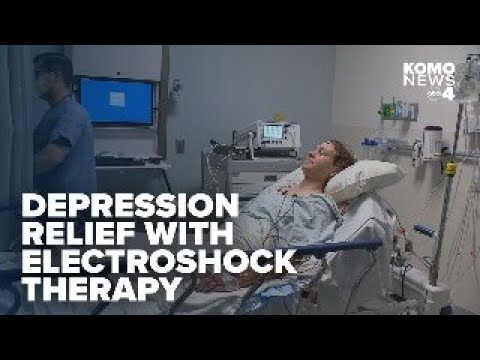
You know, depression can feel like this heavy blanket that just won’t budge. It can suck the joy right out of your day. Seriously, it’s tough.
But here’s the thing: there are ways to shake things up. One option that people often don’t talk about is shock treatment, or more officially called electroconvulsive therapy (ECT).
Yeah, I know what you might be thinking—shock treatment sounds scary! But what if I told you it’s not like what you see in the movies? It can actually help many folks who’ve hit a wall with their depression.
So let’s chat about it. We’ll break down how it works and what it really means for someone struggling with this relentless darkness. Sound good?
Comparing TMS and ECT: Which Treatment is More Effective for Depression?
When we talk about treating depression, two options pop up often: Transcranial Magnetic Stimulation (TMS) and Electroconvulsive Therapy (ECT). Both can be pretty effective, but they work in different ways and have their own vibes. Let’s break it down.
TMS is a non-invasive treatment. It uses magnetic fields to stimulate nerve cells in the brain. Picture this: you sit in a comfy chair while a device places magnetic pulses on your head. It’s like having a gentle massage for your brain, you know? Sessions typically last about 30 to 40 minutes, five days a week for several weeks.
On the other hand, ECT is more intense. It involves sending small electric currents through the brain to trigger a brief seizure. Sounds wild, right? Patients are put under anesthesia first, so they don’t feel anything during the procedure. ECT is usually given two to three times a week for several weeks as well.
Let’s dig into effectiveness. Research shows that both can help folks with depression, especially when other treatments haven’t worked. But ECT is often seen as more effective for severe cases or when someone’s at risk of harming themselves. Many people experience quick relief with ECT after just a few sessions.
So what about side effects? That’s where they really differ. With TMS, you might feel some headache or scalp discomfort—no biggie for most people. But ECT comes with more serious risks like memory loss or confusion after treatment. Some folks report feeling foggy-headed for a while.
Now let’s look at patient experience. TMS feels much less intimidating because it doesn’t have that hospital vibe that ECT does. Many people prefer TMS since they can go back to their daily life right after treatment without needing help getting home.
However, if we’re talking about how long these effects last, studies suggest that both treatments can lead to significant improvements in mood over time. With TMS, though, some patients need maintenance sessions after initial treatment to keep those good vibes going.
Understanding the Success Rate of Electroconvulsive Therapy (ECT) for Mental Health Treatment
Electroconvulsive Therapy (ECT) has been around for a long time, but it’s still sometimes treated like the weird relative at family gatherings. You know, the one everyone whispers about but few really understand. The reality is, ECT can be pretty effective for certain mental health conditions, especially severe depression.
First off, let’s talk numbers. Studies suggest that about 70% to 90% of people with severe depression see improvement with ECT. That’s a big deal! It’s often considered when other treatments just don’t cut it—like when therapy or medications haven’t worked out.
One reason ECT is so successful is that it seems to work quickly. A lot of people start feeling better within just a few sessions. Imagine being in that dark place where nothing really brings you joy—then suddenly feeling like sunlight’s breaking through the clouds after just a few treatments? That’s huge!
How Does It Work? Basically, doctors induce a controlled seizure in your brain using electric currents. Yeah, it sounds intense, right? But here’s the thing: those seizures can help reset your brain’s chemistry and connections in ways we still don’t fully understand. It’s like rebooting your computer when it’s acting glitchy.
But let’s keep it real—it’s not all sunshine and rainbows. There can be side effects, too. Many people report short-term memory loss or confusion right after treatment. For some, these effects fade away in time while others might struggle with them longer. That’s definitely something to weigh when considering ECT as an option.
Types of Conditions Treated With ECT mainly used for major depressive disorder, it also comes into play for other issues like bipolar disorder or even severe cases of schizophrenia when medication isn’t enough. So yeah, it can cover some pretty serious ground.
Here’s the kicker: individual experiences vary widely! Some folks walk out feeling like they’ve been given a new lease on life while others may not experience the same results. Everyone’s brain is different; what works wonders for you might not work as well for someone else.
When discussing success rates and overall effectiveness of ECT, it’s crucial to keep an open dialogue with your healthcare provider about any concerns or questions you may have. They’re there to help guide you through this often misunderstood treatment option.
So if you’re exploring mental health solutions for yourself or someone you care about and considering ECT, remember—it’s not as scary as its reputation suggests! Like any treatment plan, understanding what you’re getting into is super important. And hey, knowing the potential benefits alongside possible risks could steer you closer toward what feels right for you in this complex journey of mental health healing!
Life After ECT: Navigating Recovery and Rediscovering Wellness
Well, after going through ECT, or electroconvulsive therapy, life can feel a bit like stepping onto a rollercoaster. You know, it has its ups and downs. Let’s chat about what to expect during recovery and how to find your footing again.
What is ECT? It’s a treatment that uses electrical stimulation to the brain to really help with severe depression or other mental health conditions when other options just haven’t worked. It’s often misunderstood but can be super effective for some people.
Now, once you’ve completed the treatment, coming back to everyday life might feel overwhelming at first. Recovery isn’t just physical; it’s emotional too. You might feel tired or foggy in the initial days after your sessions. It’s like your brain just needs some time to recharge, so don’t rush things!
Here’s a little breakdown on navigating this phase:
- Give yourself time: Seriously, don’t expect everything to snap back into place right away. Your body and mind have been through quite a bit.
- Cognitive changes: Sometimes people experience memory lapses or trouble focusing post-ECT. It might be frustrating but it’s usually temporary.
- Support System: Lean on friends or loved ones who understand what you’ve been through. Sharing feelings can lighten the load.
- Therapy: Continuing with therapy after ECT can be incredibly helpful in processing emotions and building coping strategies.
- Pacing yourself: Start with small tasks—like going for a walk or catching up on your favorite show—to ease back into daily activities.
You know, I once spoke with someone who had undergone ECT. They were really nervous about re-entering their social circle afterward because they’d lost touch during their treatment. But taking it slow worked wonders! They started by reaching out to one close friend for coffee, which turned into reuniting with their whole group over time.
Now let’s talk about rediscovering wellness. Finding joy in daily activities might take some work initially but don’t lose hope! Here are some things that can help:
- Create routines: Establish a daily structure so you know what to expect each day.
- Pursue hobbies: Don’t forget about those things you love! Painting? Gardening? Getting lost in a good book? Dive back in!
- Mindfulness practices: Techniques like meditation or gentle yoga can ground you during fluctuations in mood.
Sometimes it feels like people think wellness will naturally come back after treatment—but it takes effort! Remember not every day will be perfect; it’s alright to have off days too.
Finally, keep communication open. Talk with your healthcare provider about any concerns that arise during recovery—they’re there to help! Also, being honest with yourself about how you’re feeling is key too.
In short, while life after ECT can bring challenges and uncertainty, it also opens up opportunities for healing and rediscovery of self. Just remember: take each day as it comes, lean on those around you for support and keep working towards what makes you feel alive again!
So, shock treatment, or electroconvulsive therapy (ECT) if we want to get all formal about it, can sound pretty intense, right? It’s one of those things that often gets a bad rap in movies and media. But you know what? There’s a lot more going on behind the curtains.
Let me tell you a little story. I once knew someone who had been struggling with depression for years. It was like they were stuck in this endless fog, and nothing seemed to lift it—medications, therapy, you name it. Then they decided to try ECT after talking it over with their doctor. Honestly? I was nervous for them. But the day after their first session, they told me they felt lighter. It was a surprise! They weren’t expecting that immediate shift.
So here’s the thing: ECT works by sending small electrical currents through the brain to create a controlled seizure. It’s not like flipping a light switch—it’s more complicated than that. Researchers think it helps reset some of the brain’s chemistry and stimulates neuroplasticity, which is just a fancy way of saying your brain’s ability to adapt and change.
Now don’t get me wrong; it’s not always the go-to option. It tends to be reserved for cases where other treatments haven’t done much good or when someone has severe depression or is at risk for suicide. And yes, there can be side effects like memory loss for some people, but many report that these issues fade over time.
A friend of mine put it really well: “Sometimes you have to break down the wall before you can start rebuilding.” That seems so true when you think about how tough depression can be. So while ECT might sound extreme to some folks, for others, it can feel like a lifeline—a chance to rebuild their life where hope seemed lost.
In the end, every treatment journey is personal—and what works wonderfully for one person might not click for another at all. It’s all about finding what fits your unique situation best—even if that means considering something like shock treatment for depression! So if you’re ever thinking about options or feeling overwhelmed by mental health struggles, remember there’s no cookie-cutter approach; it’s about what helps you move toward brighter days ahead.