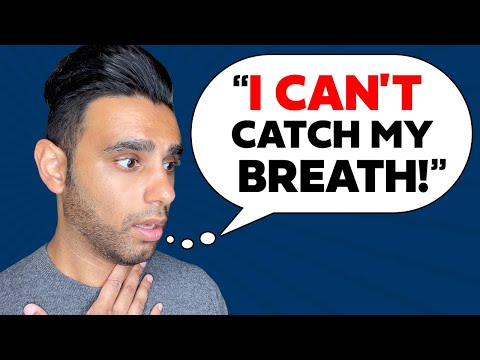
So, picture this: you’re lying in bed, the world’s quiet, and suddenly, it feels like you can’t breathe. Ugh, can I relate? Seriously, that panic can hit hard.
Anxiety isn’t just about worrying when you’re awake. It sneaks into your nighttime too. But why does your mind decide to freak out right when you’re trying to chill?
Let’s dig into that a bit. We’ll chat about how anxiety messes with our breath and what’s really going on behind it all. You might find it makes more sense than you think!
Understanding Psychosomatic Shortness of Breath: Exploring the Mind-Body Connection
You know when you feel a tightness in your chest, and it’s hard to breathe, but there’s nothing physically wrong? That’s what we call psychosomatic shortness of breath. It’s like your mind and body are playing a trick on each other. Basically, your brain’s stress signals can lead to real physical symptoms. It’s not just in your head; it’s a genuine experience that many people go through.
So let’s break this down a bit. You might find yourself lying in bed at night, feeling perfectly calm, and suddenly—bam!—you can’t catch your breath. What gives? Well, this can happen when anxiety levels spike, even if you’re not actively worrying about something. The thing is, when we’re anxious, our bodies go into a fight-or-flight mode. This means your heart races and your breathing quickens, which can feel super scary.
Here are a couple of things to consider:
- Your brain sends signals to the body that make you feel tense.
- This tension can cause muscles around the chest to tighten up.
- You may end up breathing more shallowly without realizing it.
- Sometimes past experiences or traumas may resurface during the quiet of the night.
Imagine for a second: You’re watching TV while chilling on the couch. Suddenly you remember that embarrassing moment from high school—and out of nowhere, you feel panicky. Your heart races; you might even start sweating! That’s how powerful our minds can be.
When it comes to nighttime breathlessness linked with anxiety, it’s really about those moments when the world gets quiet and your mind starts wandering. You think about everything under the sun—your job stressors or relationship problems—each thought adding weight to your chest.
There’s also some science backing this up! Research indicates that people dealing with anxiety often have higher levels of muscle tension and may hyperventilate as well. So you’re not just feeling anxious; you’re having a genuine physiological response too.
Here’s why it’s crucial to understand:
- Realizing that it’s psychosomatic means you’re not alone!
- You can work on managing both mind and body together.
- Therapies like cognitive-behavioral therapy (CBT) focus on how thoughts impact feelings—which could really help!
If nighttime breathlessness becomes frequent or disruptive, chatting with a healthcare provider might be beneficial—you deserve peace of mind (and breath!). Ultimately, recognizing this mind-body connection opens doors for better coping strategies.
So remember: If you find yourself struggling to breathe at night due to anxiety or stress-related thoughts flooding in? It’s an experience many share! Understanding it as psychosomatic could be the first step toward feeling more relaxed and in control again.
Overcoming Breathing Anxiety: Effective Strategies to Quiet Your Mind
Breathing anxiety can feel like this heavy weight on your chest, right? It’s like you’re hyper-aware of every breath you take. And when nighttime rolls around, the darkness can make everything seem worse. You’re not alone in feeling this way; many people struggle with anxious thoughts that swirl around at night, making it tough to find calm.
First off, let’s talk about what breathing anxiety is. Basically, it’s that panic you feel when you’re worried about not being able to breathe properly. Your mind races and your body reacts—leading to a vicious cycle of worry and physical response. Understanding this dynamic is the first step toward overcoming it.
Now, here are some strategies that can help you quiet your mind and reduce that nighttime breathlessness:
- Focus on Your Breath: Sounds simple, right? But focusing on slow, deep breaths can ground you. Try inhaling through your nose for a count of four, holding for four, then exhaling through your mouth for a count of six. This helps lower anxiety and gives your mind something specific to latch onto.
- Establish a Nighttime Routine: Having a predictable routine signals your body that it’s time to wind down. This could be reading a book or listening to calming music before bed—whatever helps you relax. Consistency makes things easier.
- Challenge Negative Thoughts: When anxiety hits, those pesky thoughts often say things like “What if I can’t breathe?” Recognizing these thoughts as just that—thoughts—can be empowering. Ask yourself if they’re based in reality or fear.
- Create a Comfortable Sleep Environment: Your room should feel safe and welcoming. Dim lights, cool temps, and comfy bedding can help set the mood for relaxation instead of anxiety.
- Practice Mindfulness or Meditation: Seriously! Even just five minutes of mindfulness each day can be transformative. There are loads of apps out there filled with guided meditations tailored to anxiety relief.
- If All Else Fails—Seek Support: Sometimes talking about what you’re feeling really helps. Whether it’s chatting with a friend or professional therapist who gets what you’re going through, sharing makes it all less isolating.
You know how sometimes when you’re lying in bed feeling anxious, everything seems bigger than life? Well, taking control over your breathing and practicing these strategies might help shrink those worries back down to size.
And remember: overcoming breathing anxiety doesn’t happen overnight (pun intended). It takes time and practice until those strategies become second nature. Each little win counts—it’s all part of the journey!
Top Medications for Alleviating Shortness of Breath Caused by Anxiety
When you’re dealing with anxiety, shortness of breath can feel really scary, almost like you can’t catch your breath. It’s kind of like when you’re running late for a train, and your heart races while you’re hoping to get there on time. That feeling can pop up unexpectedly, especially at night when everyone’s supposed to be winding down.
There are a few medications that are commonly prescribed to help ease that breathlessness brought on by anxiety. But before diving into them, remember: it’s super important to chat with a healthcare provider to find the right approach for you.
SSRIs (Selective Serotonin Reuptake Inhibitors) are often used as a first-line treatment for anxiety disorders. They help by increasing serotonin levels in the brain, which can improve mood and reduce anxiety symptoms. Common medications in this category include:
While they might not work overnight—sometimes it takes weeks to see changes—many people find relief from both their anxiety and related symptoms like shortness of breath.
Another option is SNRIs (Serotonin-Norepinephrine Reuptake Inhibitors). Like SSRIs, these target neurotransmitters in the brain but affect both serotonin and norepinephrine. Medications like:
can also help manage anxiety and may alleviate breathlessness over time.
For those moments when you need quick relief, Benzodiazepines might be prescribed. These medications work fast by depressing the central nervous system and can reduce anxiety almost immediately. However, they’re generally recommended for short-term use because they can lead to dependency. Examples include:
Now let’s not forget about breating retraining techniques. Sometimes, just talking about meds isn’t enough—getting involved in practices that help control your breath could be beneficial too! Techniques like deep breathing or mindfulness can significantly lessen those feelings of panic or tightness in your chest.
And finally, don’t overlook lifestyle changes that might support your journey as well! Regular exercise, healthy eating habits, and good sleep hygiene are foundations that strengthen overall mental health and could help lessen those nighttime episodes of breathlessness.
So yeah, if you’re grappling with anxiety-induced shortness of breath at night or anytime really, know you’re not alone in this struggle. Finding the right medication and accompanying techniques may take some time but sticking with it often leads to brighter days ahead! And just remember: always talk with your doctor about what feels right for you because every journey is unique.
So, you know those nights when you’re lying in bed, staring at the ceiling, and suddenly feel like you can’t catch your breath? It’s like a wave of anxiety crashes over you, and your chest feels tight. That feeling can be pretty terrifying, right? I mean, we’ve all had moments where our minds race like they’re trying to win a marathon.
Anxiety often sneaks up on us, especially when we’re trying to wind down. Maybe it’s the pressure from work or personal issues that just won’t let you go. Breathing is supposed to be automatic—something you don’t even think about—but when anxiety kicks in, it throws a wrench into that smooth operation. Instead of nice deep breaths, it’s shallow and fast like you’re running away from a bear or something.
When your mind is racing, it’s common for the body to respond in ways we don’t even realize. It’s like a bad movie—you’re stuck watching yourself panic while knowing deep down it’s all in your head. But that doesn’t make the feelings any less real!
I remember talking to a friend who experienced this. She’d wake up gasping for air in the middle of the night. She thought she was having some serious health issue—it felt so physical. Eventually she found out her anxiety was driving these episodes; her body was reacting to her state of mind. Once she started working with a therapist on specific breathing techniques and mindfulness practices, things improved significantly for her.
This isn’t just about managing breathlessness though; it’s about getting into your feelings and understanding what triggered those anxious moments. Anxiety can be like this foggy blanket that envelops everything—it clouds your thoughts and makes it hard to see clearly.
Sometimes people might find relief through medication or therapy or both! But honestly? Understanding what makes you anxious can help break that cycle of fear that keeps dragging us back into panic mode at night.
It’s all about giving yourself permission to feel anxious sometimes but also recognizing when things are getting a little too intense. The key is finding ways to soothe that internal chaos—whether through breathing exercises, talking it out with someone who gets it or exploring calming nighttime rituals before bed.
So yeah, if you’ve ever felt that chilling breathlessness at night? You’re not alone in this maze of anxiety! There are paths through it, littered with signs pointing towards hope and clarity—just gotta take one small step at a time.