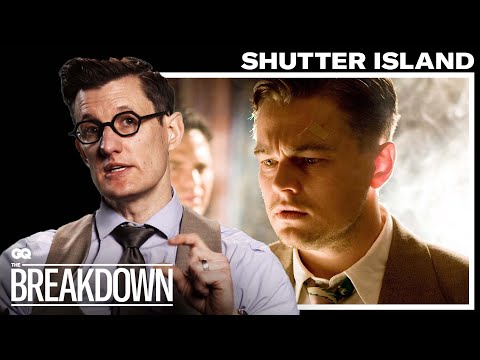
Hey, let’s talk about “Shutter Island.” Seriously, that movie is a wild ride! You’ve got twists, turns, and all this mind-bending stuff happening. But what really grabs my attention are the themes of schizophrenia.
You ever watch something and just feel like it digs deeper? That’s what this flick does. It takes a look at mental health in a way that’s both haunting and compelling.
What if we peel back the layers? What if we connect those cinematic moments with real-life struggles? Because guess what? Schizophrenia isn’t just a plot device; it’s a reality for many people out there.
So, let’s break it down together. The film pulls you in, but the real talk about mental illness can be even more gripping. You with me?
Exploring Schizophrenia: Analyzing the Accuracy of Shutter Island’s Portrayal
When we talk about schizophrenia, it’s super important to get it right, you know? Movies like *Shutter Island* can shape how people think about mental health. So, let’s take a closer look at how the film portrays schizophrenia and how that stacks up against real life.
First off, the film presents a really intense and dramatic version of schizophrenia. The main character, Teddy Daniels, has hallucinations and delusions. While that does happen with some folks who have schizophrenia, not everyone experiences it the same way. Hallucinations—like hearing voices or seeing things that aren’t there—are part of the deal for some people. But many live with less extreme symptoms.
- Delusions: These are false beliefs that can feel very real to someone experiencing them. In *Shutter Island*, Teddy believes in elaborate conspiracies and his own distorted reality.
- Affective flattening: Some individuals may have trouble expressing emotions. You might notice this isn’t dramatically portrayed in the film, which can lead to misunderstandings about what living with schizophrenia is like.
- Cognitive impairments: This aspect often gets glossed over in films. People with schizophrenia can struggle with attention and memory, affecting everyday functioning.
Now, here’s where it gets tricky: *Shutter Island* suggests that all people with schizophrenia are dangerous or violent. That’s a total myth! Most individuals dealing with this condition are not violent at all; they’re more likely to be victims rather than perpetrators of crime.
I remember chatting with a friend once whose brother had schizophrenia, and he was such a gentle soul. They went through so much together—his brother dealt with those hallucinations daily while also trying to maintain relationships. It was rough but so important for that family me to understand what he faced wasn’t just like what we see in movies.
The reality is that while movies can bring attention to mental health issues, they often miss the mark on actual experiences. *Shutter Island* does a great job at creating suspense but fails when it comes to showing the day-to-day life of someone living with schizophrenia.
This misrepresentation can fuel stigma around mental illness. People might view those who have schizophrenia as unpredictable or scary based on fictional portrayals instead of understanding them as individuals facing real challenges. It’s essential for society—like you and me—to challenge these misconceptions!
Exploring Schizophrenia in ‘Shutter Island’: A Deep Dive into Mental Health Themes
In «Shutter Island,» mental health takes center stage, particularly the portrayal of schizophrenia. The film gives us a glimpse into how the condition shakes up a person’s reality. It dives deep into themes of identity, trauma, and how society perceives mental illness. The story revolves around U.S. Marshals who land on an island that houses a psychiatric facility for criminals, where things get more complicated as you go along.
What’s striking about the movie is its focus on the struggles that come with schizophrenia. It’s not just a plot point; it brings up real-life issues people face. Schizophrenia often messes with someone’s perception of what’s real and what’s not, leading to distressing hallucinations and delusions. You know, there’s this moment in the film where Teddy is convinced he’s uncovering secrets about the facility—this reflects how those living with schizophrenia might feel lost in their thoughts.
Another important theme is trauma. Teddy’s experiences illustrate how deeply past events can affect your mind. In real life, many people diagnosed with schizophrenia often have histories filled with traumatic events. There can be a direct link between severe trauma and the onset of symptoms. This connection is not just fiction; it’s something many researchers are looking into.
The relationship between therapy and medication also plays a key role in «Shutter Island.» While Teddy seeks answers through his investigation, he also tries to navigate his emotions and traumas—something that’s vital in therapeutic settings. Many individuals dealing with schizophrenia need both therapy and medication to manage their symptoms effectively.
And let’s not forget about societal perceptions! The way characters react to mental illness in the film speaks volumes about stigma. Characters view those labeled as «insane» as dangerous or different, showcasing how fear often shapes our understanding of mental health issues—and that stigma only makes things worse for those affected.
To wrap it up, «Shutter Island» uses its eerie atmosphere to mirror real-life struggles associated with schizophrenia and mental illness as a whole. By putting these themes front and center, it encourages viewers to think more critically about things like trauma and societal views on mental health. At the end of the day, understanding these elements helps break down walls surrounding discussions on conditions like schizophrenia—and maybe makes us all a little more empathetic toward those experiencing them every day.
Understanding Schizophrenia: The Four Key Perspectives Explained
Understanding Schizophrenia
Schizophrenia is a complex mental health condition that can be really hard to grasp. It’s like a puzzle, and different pieces help us understand it better. Here are four key perspectives that shine some light on this often misunderstood disorder.
1. Clinical Perspective
From a clinical standpoint, schizophrenia involves a range of symptoms like hallucinations, delusions, and disorganized thinking. Basically, that means someone might see or hear things that aren’t really there—like when Teddy in *Shutter Island* grapples with his own reality. He feels lost in his thoughts, which can be pretty similar to what many people with schizophrenia experience.
2. Biological Perspective
Then there’s the biological perspective. This looks at the brain chemistry and genetics behind schizophrenia. Neurotransmitters like dopamine play major roles here; an imbalance can lead to the symptoms seen in the disorder. Some studies suggest that you might inherit genes related to it from family members, but it’s not just about your genes—it’s how they interact with your environment too.
3. Psychological Perspective
On the psychological side, cognitive theories dive into how thought patterns can affect perception and behavior. For example, if someone experiences paranoia (like Teddy does), they might interpret neutral situations as threats or danger because their mind is processing things differently than others would. It’s fascinating how our minds work, right?
4. Social-Cultural Perspective
Lastly, we can’t ignore the social-cultural perspective that examines how society influences those with schizophrenia. Stigma is a huge deal here; people often fear or misunderstand what they don’t know about mental illness. Situations like isolation or lack of support can make life much tougher for someone dealing with schizophrenia—just look at how Teddy’s journey unfolds in *Shutter Island*. The environment he finds himself in reflects societal views on mental health.
In summary, understanding schizophrenia isn’t just about one single angle; it’s about piecing together the biological, clinical, psychological, and social-cultural aspects to get a clearer picture of what people experience daily when living with this condition.
So yeah, next time you’re watching something like *Shutter Island*, think about all these layers behind characters’ struggles—it might just change your perspective!
So, let’s talk about “Shutter Island.” It’s one of those movies that really sticks with you, right? Seriously. Even if you only watch it once, the themes linger long after the credits roll. At its core, you’ve got this intense exploration of mental illness—specifically something like schizophrenia. And while the film is a psychological thriller, it really makes you think about the real struggles people face.
When I watched it for the first time, I was totally hooked by Leonardo DiCaprio’s character, Teddy Daniels. He’s grappling with these overwhelming hallucinations and delusions. I remember feeling this pit in my stomach as he tried to piece together what was real and what wasn’t. It made me think about how isolating and confusing schizophrenia can be. Imagine living in a world where your mind plays tricks on you! A friend of mine had a family member who dealt with similar struggles, and hearing their stories about distinguishing reality from those vivid illusions was heartbreaking yet enlightening.
In “Shutter Island,” there’s that whole setting in an eerie mental institution that heightens everything—a place meant to help but also filled with fear and misunderstanding. That duality really reflects the stigma around mental health issues like schizophrenia in real life too. Many people still carry misconceptions or fear those who experience it. It’s like they see someone struggling and can’t help but jump to conclusions or make assumptions.
And then there’s the theme of trauma woven throughout the film. Teddy’s journey illustrates how past experiences can haunt a person, shaping their reality in profound ways. You realize that his hallucinations aren’t just random; they’re tied deeply to his history. This speaks volumes about how unresolved trauma can manifest in ways we might not even notice until it becomes too big to ignore.
What’s fascinating is how “Shutter Island” also touches on treatment methods—ethical dilemmas surrounding mental health care during that period are pretty stark in the film. While it dramatizes certain aspects for effect—like using drastic treatments—it does prompt discussions on how far we’ve come (or haven’t) in understanding mental illness today.
By the end of it all, you’re left reeling, asking yourself questions that feel too big to answer easily: What is reality? How do we deal with our pain? The movie does this masterful job of keeping us guessing while pushing us to reflect on our own realities.
So yeah… “Shutter Island” isn’t just a thriller; it opens up conversations about serious themes related to schizophrenia and mental health that are crucial today—and shows just how complex our minds can be when faced with trauma and inner demons.