You know that feeling when you’ve been riding a wave for a while, and suddenly, you hit dry land? That’s kind of what it’s like to stop taking sertraline.
For some, it’s relief. For others, it can feel like the ground’s shifted beneath them. Seriously, it’s a big deal!
Going off any medication can spark a whirlwind of emotions: confusion, anxiety, even sadness. Combined with all those memories of what made you start taking it in the first place? Yikes!
But here’s the thing—understanding what you’re feeling can really help your journey. Let’s unpack this together and explore what might be going on.
Understanding the Timeline: How Long to Feel Normal After Discontinuing Sertraline
Absolutely! Stopping a medication like sertraline can feel pretty overwhelming. It’s like you’re trying to put together a puzzle with some pieces missing. Everyone’s experience is unique, but there are general timelines and emotional effects to be aware of.
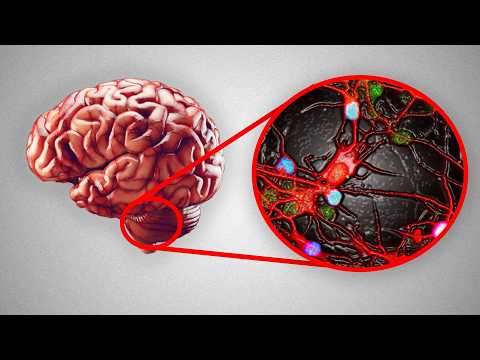
First off, it’s crucial to know that sertraline is an SSRI (selective serotonin reuptake inhibitor), which means it helps manage mood by increasing serotonin levels in your brain. When you stop taking it, your body needs time to adjust to the changes. So, how long might this process take?
Well, most people start feeling some effects within a few days to a week after discontinuation. You might feel a bit off—maybe more anxious or irritable than usual. That’s normal! Typically, within two weeks, you may notice those initial feelings starting to settle down, but not everybody experiences this the same way.
A lot of folks report feeling closer to their old selves after about four weeks. But here’s the kicker: the emotional rollercoaster can vary quite a bit based on how long you’ve been taking the medication and your individual chemistry.
You see, when I stopped sertraline myself, I remember feeling disoriented at first—a little like being on a boat in choppy waters. I had ups and downs emotionally for weeks before things felt stable again. And that brings me to my next point.
Here are some common emotions or symptoms that can pop up during this transition:
- Anxiety spikes: Suddenly dealing with anxiety again could feel unsettling.
- Mood swings: You might swing between feeling upbeat and then crashing down.
- Physical symptoms: Some people experience fatigue or headaches.
- Cognitive changes: Your brain might feel foggy—it’s tough concentrating!
Most of these emotions tend to diminish over time as your body readjusts its natural balance without the meds.
Now, don’t shy away from reaching out for support during this time—whether it’s friends or therapists who get what you’re going through. Seriously! It can help make those rough patches feel less lonely.
So yeah, while most people start feeling more normal around four to six weeks after stopping sertraline, listen to your body; everyone has their own pace! If you find things aren’t getting better after a couple of months—or if you’re struggling—definitely reach out for help.
In short, give yourself grace during this transition period. Feeling “normal” again takes time and varies for each person involved in this journey from medication back to self-reliance!
Effective Strategies to Ease Sertraline Withdrawal Symptoms: A Comprehensive Guide
There’s no denying that coming off sertraline, or any SSRI for that matter, can be tough. You might find yourself feeling a bit like a rollercoaster, with your emotions swinging all over the place. So what can you do to ease those pesky withdrawal symptoms? I’ve got some ideas that might help you navigate this bumpy ride.
First up, talk to your doctor. Seriously, like, before making any changes to your medication, it’s super important to consult with a healthcare professional. They can provide guidance tailored just for you. You don’t want to jump into this alone.
Next on the list is tapering off gradually. If you’ve been on sertraline for a while, it’s usually not the best idea to stop cold turkey; that can really knock your system out of whack. Instead, ask your doc about gradually lowering your dose over time. This way, it gives your body a better chance to adjust.
Also consider mindfulness techniques. These can help you manage stress and anxiety during withdrawal. Think of practices like meditation or yoga; they can ground you when things get overwhelming. Even a few minutes of deep breathing can make a difference in those tense moments.
Don’t forget about staying active. Regular exercise is not only great for physical health but also boosts your mood by releasing endorphins –those little feel-good chemicals in your brain! Try going for walks or finding an activity you enjoy; anything that gets you moving.
Nutrition plays a role too! Eating a balanced diet filled with whole foods can improve how you’re feeling overall. Consuming fruits, veggies, lean proteins, and healthy fats might just give your brain the support it needs during this transition.
Sometimes connection is key! Lean on friends or family when you’re feeling low. Talking things out with someone who gets what you’re going through can lighten the load quite a bit.
And if things get really tough, consider seeking out therapy. A mental health professional may provide coping strategies and emotional support tailored specifically for you during this challenging phase.
Finally, remember that patience is crucial. Withdrawal isn’t always easy-peasy; it may take time for everything to even out again. It’s all about taking one day at a time and giving yourself grace as you adjust.
So yeah, there are various ways to ease withdrawal symptoms after stopping sertraline. Just remember: talk it out with professionals and don’t hesitate to reach out for support as needed!
Understanding Emotional Changes After Discontinuing Sertraline: What to Expect
Sertraline, huh? It’s a common medication used to treat things like depression, anxiety, and OCD. But when you stop taking it, your body and mind can go through some serious changes. You might be wondering what those could be—let’s break it down.
First off, it’s important to know that stopping sertraline isn’t just a walk in the park. Your brain has been adjusting to the med for a while. When you suddenly take away that support, it can feel like the ground is shifting beneath your feet.
Withdrawal Symptoms are pretty common when discontinuing sertraline. Some people experience mood swings or increased anxiety. You might feel irritable one minute and tearful the next. This emotional rollercoaster is totally understandable. Your brain is trying to readjust to not having the medication there.
Another thing to look out for is flu-like symptoms. Yeah, seriously! Some folks report feeling fatigued or achy. It’s like your body saying, “Hey! What happened?” And this can totally impact how you feel emotionally too.
You might also notice feelings of depression creeping back in. If sertraline was working for you before, stopping it could mean those dark clouds start rolling back in—like an unwelcome guest at a party. It’s crucial to keep an eye on this and reach out for support if it happens.
Then there are those nightmares. Fun times ahead! Some folks have vivid dreams or nightmares after discontinuing sertraline. It can definitely mess with your sleep patterns and leave you feeling more on edge during the day.
And let’s not forget about concentration issues. You may find yourself having trouble focusing or remembering things—a little frustrating if you’re trying to get stuff done or even just enjoy being present!
Now, everyone’s different; what one person experiences might not happen to someone else at all. So don’t freak out if your buddy had a tough time but you’re doing okay—or vice versa.
If you’re thinking about stopping sertraline (or any med), it could be super helpful to talk with your doctor first. They can help manage any potential hiccups along the way and maybe even suggest a gradual tapering off instead of quitting cold turkey.
Also, keep in touch with friends or family during this time; sometimes just talking about how you’re feeling can lighten the load a bit! Remember that seeking help—whether through therapy or support groups—is always a solid option when things get rough emotionally post-medication.
And look, navigating these emotional changes isn’t easy by any means—but don’t forget—you’re not alone in this journey!
So, let’s chat about something that doesn’t get enough attention—the emotional rollercoaster that can come with stopping sertraline. I mean, it’s a big deal. If you’ve been on this medication, you probably know it’s not just popping a pill and feeling better. When you decide to stop, your emotions might just decide to throw a party—like an unexpected rave when you were hoping for a calm dinner.
I remember a friend of mine, Sam. He’d been on sertraline for anxiety and depression for quite a while. When he finally felt ready to come off it—after talking with his doctor and all that—he was super hopeful. But soon after he stopped taking it, things got tricky. One minute he was feeling okay and the next, outta nowhere, waves of sadness and irritation crashed over him like he was stuck in a storm. It wasn’t just the withdrawal symptoms; it was like all those emotions he thought were handled came rushing back with full force.
The thing is, stopping sertraline can trigger all sorts of feelings like anxiety or irritability—like your brain is outta balance again. It’s totally normal to feel overwhelmed during this transition period. Your body has gotten used to the change in chemicals that help regulate your mood! And when you suddenly pull back on that support? Yikes! It can feel like going from an air-conditioned room into the sweltering heat.
You might also find yourself dealing with some pretty random mood swings or even bouts of despair—stuff that might remind you of how you felt before starting medication in the first place. And that’s tough! No one wants to go back to those dark times when they have worked so hard to move forward.
But here’s the good part: understanding what’s happening is half the battle. Talking about your feelings helps so much—whether that’s chatting with friends or hitting up therapy sessions again if needed. Feeling supported can make such a difference!
And listen, it’s totally okay if it takes time to adjust without sertraline! Everyone’s journey looks different—you know? Just be gentle with yourself through this process and remember you’re not alone in this emotional maze. You might stumble at first but finding your footing again is absolutely possible!