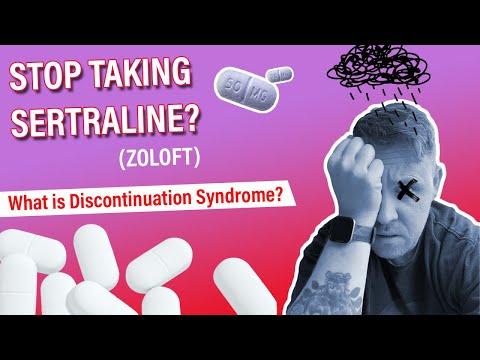
Hey, you know that feeling when you’ve been on medication for a while, and then suddenly, you just stop? Yeah, it can be pretty wild.
Zoloft is one of those meds that helps tons of people manage their mood. But what happens if you skip it?
Honestly, it’s not just about missing a pill. There’s a lot more going on behind the scenes. Think of it like a domino effect—it can really shake things up in your mind and body.
So let’s chat about what those psychological consequences might look like. Seriously, it’s important to know!
Understanding Memory Loss from Sertraline: Is It Permanent or Temporary?
Memory loss can be a tricky issue, especially when you’re taking medications like sertraline—commonly known as Zoloft. So, let’s break down what’s happening with your memory if you’re on this medication or if you’ve decided to skip it for a bit.
First off, sertraline is an antidepressant that belongs to a class called SSRIs (selective serotonin reuptake inhibitors). It works by increasing the levels of serotonin in your brain, which can help improve mood and reduce anxiety. But, like any medication, it comes with potential side effects. One of those side effects can be some trouble with memory or cognition. It’s not super common, but it does happen.
When you’re on sertraline, you might notice that your memory isn’t as sharp as it used to be. You could find yourself forgetting things more often or struggling to concentrate. This isn’t just about feeling a little foggy; it can actually affect your daily life. For instance, maybe you blank out during conversations or misplace things repeatedly.
Now let’s talk about **whether this effect is permanent or temporary**. The thing is, most of the time, any memory issues related to sertraline tend to be temporary! Once the medication levels in your system stabilize or when you stop taking it altogether (with guidance from your doctor!), many people notice their cognitive functions returning to normal pretty quickly. So don’t freak out just yet!
But here’s the flip side: If you stop taking Zoloft abruptly without talking to your healthcare provider first, that can mess with your mind too! You might experience withdrawal symptoms which could include confusion or cognitive impairment alongside other feelings of unease like mood swings or anxiety spikes.
Another key point is that everyone reacts differently to medications—like fingerprints! Some folks breeze through without any hiccups while others may face significant memory challenges while on Zoloft—and even after stopping it. That variance makes it tough to draw hard and fast rules about how long these effects last.
Here are a few important reminders:
- Consult Your Doctor: Always keep communication open with your healthcare professional if you’re curious about side effects.
- Don’t Stop Abruptly: Going off Zoloft suddenly can lead to its own set of issues.
- Monitor Your Symptoms: Keep track of any changes in memory and report them if they concern you.
- Be Patient: Recovery from any side effects takes time; give yourself grace during this process!
If you’re concerned about lasting memory issues after discontinuing sertraline—or even while still taking it—getting a thorough evaluation from a mental health professional is crucial. They can help sort out what’s going on and guide you through managing whatever bumps in the road come up.
In the end, while there might be some temporary struggles with memory when taking sertraline—or when skipping doses—that doesn’t mean they’re here forever! Be proactive about discussing these experiences so you’re not left wondering what’s normal and what needs attention.
Understanding the Timeline: How Long Does It Take to Wean Off 50mg Zoloft?
When you’re thinking about weaning off Zoloft, like when you’ve been taking 50mg, it’s important to understand that everyone’s experience is a bit different. Seriously, it’s not a one-size-fits-all situation. So if you’re considering this, let’s break it down.
First off, **weaning off medication** means you’re gradually reducing your dosage instead of just stopping cold turkey. That can help minimize some nasty withdrawal symptoms. You might have heard about these: anxiety spikes, mood swings, or even flu-like symptoms. Yeah, they can be real bummers.
Most health professionals will suggest a slow tapering process over several weeks or even months. Like, if you’re coming down from 50mg of Zoloft, your doctor might drop you to 25mg first. Then maybe go to every other day for a while before finally stopping completely. This could take anywhere from a few weeks to several months—or more! Depending on how your body responds.
Individual timelines vary. Some folks adjust quickly and feel fine after a couple of weeks; others take longer to bounce back emotionally and physically. It often hinges on factors like:
Let’s say you’ve been on Zoloft for years—that’s going to make things different than if you’d just started last month.
Skipping doses or not following the plan your doc sets up can lead to what we call “relapse,” where old symptoms tail back in like an unwanted guest at a party. You know the feeling? One minute you’re chillin’, and then boom! Anxiety is having a dance-off in your brain again.
Plus, there are psychological aspects too! You may discover that without Zoloft’s support, feelings you thought were gone resurface—like sadness or irritability. It’s like re-opening an old book of feelings you’d put away for good.
What really helps during this time is open communication with your healthcare provider. They can guide you through how long it’ll take based on what’s happening with you personally and help manage anything tricky along the way.
So basically? The timeline for weaning off 50mg of Zoloft can fluctuate greatly— it depends on multiple personal factors as well as how you handle things emotionally during the process. Give yourself grace! Change takes time, and being patient with yourself is key as you navigate through all this mental stuff!
Understanding Withdrawal Symptoms: What to Expect When Coming Off Sertraline
Coming off sertraline, which is often known as Zoloft, can be a real mixed bag. These withdrawal symptoms can vary quite a bit from person to person. If you’ve been taking it for a while and decide to stop, you might notice a bunch of changes as your body adjusts. Here’s what to expect.
First off, sertraline is an SSRI, which means it works by balancing chemicals in your brain. When you stop the medication suddenly or even taper down too quickly, your brain can freak out a little bit. You know that feeling when you miss a coffee in the morning? It’s kind of like that—your body’s just not happy with the change.
Here’s a rundown of common withdrawal symptoms:
- Flu-like symptoms: Yeah, you might feel achy or just plain tired—like you’ve caught a cold.
- Insomnia: Sleep issues are pretty common too. You could find it hard to fall asleep or stay asleep.
- Gastrointestinal issues: Some folks report nausea or even diarrhea. Not the fun kind.
- Anxiety spikes: If anxiety was an issue before starting sertraline, it might come back with a vengeance.
- Mood swings: You could feel more irritable or emotional than usual.
- Dizziness or lightheadedness: Sometimes you may feel like you’re on a rollercoaster when you’re actually just standing still.
And then there’s something called “brain zaps.” It sounds wild, but it’s true. Some people describe it as feeling like little electrical shocks zipping through their heads. Not exactly pleasant!
It’s tough because sometimes these symptoms can make people think they need to jump back on the medication just to feel better again. I remember a friend who stopped taking her meds and found herself crying over everything—she missed her favorite show and just lost it! It was clear that she needed some support during her transition.
Now, if you’re thinking about stopping sertraline altogether, talk with your doc about a tapering plan. They can help guide you so these symptoms don’t hit too hard. Going slow is key since your body needs time to adjust.
If things get really tough or overwhelming, don’t hesitate to reach out for support from friends or even professionals if needed—serious emotional support goes a long way! Just remember: this adjustment period won’t last forever; there’s light at the end of the tunnel.
Understanding what withdrawal might look like helps prepare for what lies ahead—you’ll have tools and strategies in place when things start getting bumpy. Even though this process can be challenging, making informed choices puts you on the right path toward feeling like yourself again!
You know, skipping your Zoloft or any medication can feel a bit like playing with fire. I mean, it’s not just a little boo-boo; it can really mess with your mental state. Picture this: you’ve been on Zoloft for a while, and things are finally starting to feel… okay. You feel more like yourself again. Then one day, you forget to take it. And maybe the next day too. It doesn’t seem like a big deal at first, right?
But then things start shifting. You might notice that little dark cloud creeping back in—the anxiety that makes everything feel heavier, or those waves of sadness rolling in from nowhere. I once heard a story from a friend who had been managing their depression pretty well on Zoloft. They thought skipping a dose wouldn’t hurt, but soon enough they were feeling restless and irritable over the smallest things—like when someone cuts them off in traffic or the Wi-Fi is too slow.
What happens next is kinda brutal. Those annoying side effects could swing back into play too, like dizziness or even nausea, which just adds to the stress of feeling emotionally out of whack. Plus, there’s this tricky thing called withdrawal symptoms that can sneak up on you if you skip doses consistently. It feels like you’re going back to square one much faster than you’d expect.
And let’s talk about motivation! When your medication starts slipping away from your routine, sticking to life goals can be an uphill battle again. Those plans you made with friends? They suddenly seem exhausting instead of fun. Even daily tasks might require more effort than they usually do.
So basically, if you’ve been prescribed Zoloft—or any mental health treatment—it’s super important to keep up with it (unless your doc says otherwise). Sure, life gets busy and sometimes we forget—but keeping that routine helps keep the storm clouds at bay and lets you enjoy those sunny days much longer!