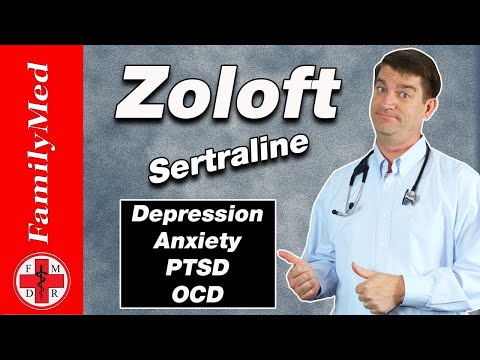
So, you’re thinking about Zoloft, huh? Or maybe you already started taking it? Either way, let’s chat about some of those potential side effects.
First off, Zoloft can be a game changer for a lot of folks. It helps with anxiety and depression, which is seriously awesome. But, like anything that messes with your brain chemistry, it might come with some unwanted surprises.
You know when you buy a shiny new gadget, but the manual is kinda vague about what could go wrong? Yeah, it’s a bit like that. Sometimes the details get glossed over.
So, let’s break down what you might wanna keep an eye out for while on this med. You ready?
Exploring the Psychological Side Effects of Zoloft: What You Need to Know
Zoloft, or sertraline, is a popular antidepressant that falls under the category of selective serotonin reuptake inhibitors (SSRIs). It’s often prescribed for conditions like depression, anxiety, and obsessive-compulsive disorder. Most people hear about the physical side effects like nausea or headaches, but let’s talk about the psychological side effects because they can be just as important.
First off, some folks may experience changes in mood. It’s kind of ironic, right? You take Zoloft to feel better, and sometimes it can cause mood swings or increased irritability. Imagine waking up feeling okay but then out of nowhere getting hit with a wave of anger over something small—totally frustrating!
Another point to consider is emotional numbness. Some people report feeling disconnected from their feelings. This can feel super unsettling. Picture this: You’re at a family gathering, everyone’s laughing and having fun, but you’re just… there. It’s like being a ghost at your own life.
Then there are anxiety spikes. Yes, you read that right! Although Zoloft helps many with anxiety, it can also heighten feelings of anxiety in others initially. It’s as if your brain is trying to adjust to the new medication while throwing a little tantrum along the way.
Oh! And let’s not forget about insomnia or sleep disturbances. Sleep is crucial for good mental health. People on Zoloft sometimes find it hard to fall asleep or stay asleep. So you might sleep for five hours but wake up feeling like you barely rested at all—yikes.
Some users might face sexual side effects too. This isn’t something everyone talks about, but it can impact relationships and self-esteem. You might find you’re not as interested in sex as before taking the medication—or even have difficulty reaching orgasm—definitely awkward conversations to have!
There’s also something called withdrawal symptoms. If you decide to stop taking Zoloft suddenly (which you should never do without consulting your doc), you could experience rebound anxiety or mood swings which makes beginnings and ends not so smooth.
And here’s an important one: suicidal thoughts. In some younger individuals or those who’ve never taken antidepressants before, there could be an increase in suicidal thoughts when first starting Zoloft. This isn’t super common for everyone but definitely requires monitoring by a healthcare professional.
So what to do? First off, never self-diagnose or stop taking medication without chatting with your doctor first—they’re there to help navigate all this stuff! Keep an open line of communication about how you’re feeling.
In summary, while Zoloft can be a game-changer for many people dealing with mental health issues—it’s vital to keep in mind that psychological side effects are part of the deal for some folks too. Feeling weird? Confused? Just know you’re not alone in this journey!
Exploring the Long-Term Side Effects of Sertraline: What You Need to Know
Sertraline, which you probably know as Zoloft, is one of those meds that a lot of people take for depression or anxiety. While it can be super helpful, it’s not without potential issues, especially when you’re talking long-term use.
First off, let’s chat about some psychological side effects that might pop up after using sertraline for a while. It’s important to be aware of these because they can really affect your quality of life.
- Emotional Blunting: Some folks report feeling kind of numb or detached from their emotions after being on Zoloft long-term. Imagine trying to enjoy a concert but feeling like you’re watching it through a window. You get the experience but miss the joy.
- Anxiety Symptoms: Seriously ironic, right? You start taking this medication to help with anxiety, but some people find their anxiety creeping back after prolonged use. It’s like a sneaky little guest that won’t leave.
- Sleep Issues: Sleep disturbances can also happen. Some might find themselves wide awake at 3 AM for no good reason or sleeping way too much. I mean, who wants to wake up and feel like they just took a trip to the land of the snooze button?
- Cognitive Changes: There are cases where people report difficulties in concentrating or memory lapses — you know, forgetting things like where your keys are or if you just asked someone a question (I’ve done that!).
- Mood Swings: Even though it’s used as a stabilizer, mood swings can happen—almost like riding an emotional roller coaster with sudden dips and rises.
Now here’s the thing: not everyone experiences these side effects. Some folks breeze through without any issues at all. But keep in mind that if any of these problems show up, it’s best to have a chat with your doctor.
You also want to consider how sertraline interacts with your body over time. The longer you’re on it, the more your body may adjust in ways you didn’t expect. Sometimes this leads to needing higher doses—or swapping medications altogether.
And let’s talk about withdrawal symptoms when you stop taking sertraline. If you’ve been on it for ages and decide to quit (or even reduce your dose), there’s always a chance you’ll deal with symptoms like dizziness or flu-like feelings—not fun! So easing off is often the way to go.
In short, while sertraline can be super useful in managing depression or anxiety symptoms—it’s essential to stay informed about potential long-term psychological side effects. Always keep communication open with your healthcare provider so that any concerns are addressed promptly and effectively. Remember, it’s all about finding what works best for you!
Understanding the Link Between Sertraline and Nausea: What You Need to Know
Sertraline, known by its brand name Zoloft, is a popular antidepressant in a class of medications called SSRIs (Selective Serotonin Reuptake Inhibitors). Nausea is one of the more common side effects people might experience when starting this medication. While some might brush this off, understanding why it happens can be super helpful for you or someone you know dealing with it.
When you take sertraline, it increases the amount of serotonin in your brain. Serotonin plays a big role in your mood but also affects your gut. It’s kind of like your stomach has its own little network of serotonin receptors. So, when you mess with serotonin levels, your tummy might not be too happy.
Here are some important points to consider about sertraline and nausea:
So picture this: You’re starting sertraline and everything feels off in your tummy. You think it’s just nerves at first—maybe it’s the excitement or fear of change—but as days roll on, that nausea sticks around a bit more than you’d like. It’s frustrating! Many people experience something similar; they feel stuck between wanting relief from anxiety or depression and dealing with this annoying stomach issue.
If nausea becomes hard to handle—like persistent and unrelenting—it’s totally worth talking to your doctor about it. They might suggest switching to another SSRI or adjusting the dose.
In summary, while sertraline can be effective for managing mood disorders, understanding the potential link between sertraline and nausea helps prepare you for what’s ahead. Knowing that these feelings are common can take some pressure off, but always reach out if it’s too much! Your comfort matters just as much as getting better.
So, let’s chat about Zoloft for a moment. You know, it’s one of those medications that people might take when dealing with anxiety or depression. It can really help, but like anything in life, there are side effects that come with it. Seriously—it’s a mixed bag.
I’ve heard stories from friends who were prescribed Zoloft and found it helpful for their mood swings or that heavy blanket of sadness that sometimes just won’t lift. But then there are those moments when they’d mention some unexpected quirks while on the medication. For instance, one buddy said they felt kind of disconnected from their emotions—like watching their life through a foggy window. Not exactly what you sign up for when trying to feel better!
And let’s talk about some physical stuff too. Some folks report feeling nauseous or having trouble sleeping after starting Zoloft, which might seem ironic since you’re trying to get your mental health on track but suddenly find yourself tossing and turning at night. It can also mess with your appetite—one person I know lost weight because food just didn’t seem appealing anymore.
Oh! And sexual side effects can throw a wrench in the works as well—difficulty reaching climax or reduced libido seems to be a common complaint. Imagine finally feeling ready to reconnect with someone emotionally only to hit a wall like that.
Now, it’s important not to freak out or assume this is everyone’s experience. Everyone’s body is different, and what happens to one person might not happen at all with another. It’s always best to chat with your doctor about any concerns because they can help you navigate those choppy waters.
The thing is, if you’re considering Zoloft or are currently taking it and noticing changes in how you feel—be it physically or emotionally—you should definitely speak up! There’s no harm in reaching out for support, whether that be a friend who gets it or a healthcare professional who can adjust your treatment plan if needed.
So yeah, while Zoloft can sometimes feel like the light at the end of the tunnel, just keep in mind there can be bumps along the way too!