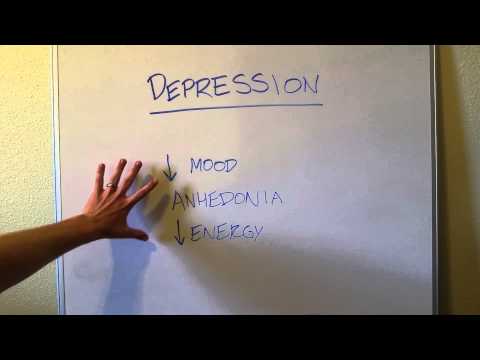
So, let’s talk about something that might sound a bit quirky: Sig E Caps. Ever heard of them?
They’re this cool tool in the mental health world. It’s all about figuring out how someone is feeling, and that’s pretty important, right?
Imagine sitting with a friend who’s going through some tough times. You want to help but aren’t sure where to start. That’s where Sig E Caps can come in handy.
They help break down what’s going on in someone’s mind into relatable pieces, making it easier for everyone involved to understand the feelings at play, you know?
Stick with me! I’ll explain how these little letters pack a punch when it comes to mental health perspectives.
Exploring SIGECAPS: Can It Be Applied to Other Mental Health Disorders?
So, let’s talk about SIGECAPS. This handy little acronym is commonly used in the realm of mental health to help identify symptoms of depression. If you’re not familiar with it, here’s the breakdown:
- S: Sleep disturbances (either too much or too little)
- I: Interest loss (not enjoying things you used to)
- G: Guilt (feeling worthless or excessive guilt)
- E: Energy decrease (feeling tired all the time)
- C: Concentration issues (struggling to focus)
- A: Appetite changes (eating too much or too little)
- P: Psychomotor agitation or retardation (restlessness or slowed movements)
- S: Suicidal thoughts or behaviors
Now, while SIGECAPS is super helpful for spotting depression, you might wonder if it can apply to other mental health disorders. Well, that’s an interesting question!
For starters, SIGECAPS gives a snapshot of symptoms that many people with depression experience. But not every mental health condition fits neatly into this box. Take anxiety disorders, for example. They come with their own set of symptoms—like excessive worry and panic attacks—that don’t quite align with SIGECAPS.
Let’s think about something like bipolar disorder. This condition has episodes of both depression and mania. During the manic phases, you might see a total lack of some SIGECAPS symptoms since people can feel overly energetic and joyful—kind of the opposite! So yeah, while depressive episodes might show some SIGECAPS traits, manic ones? Not so much.
Then there’s PTSD (Post-Traumatic Stress Disorder). People dealing with PTSD might experience flashbacks and hyper-vigilance—not really captured in SIGECAPS. Sure, they could have sleep issues or feelings of guilt from that trauma, but there are also unique factors at play.
You’ve probably heard about conditions like ADHD as well. It has its own trademark struggles—like impulsivity and attention issues—that don’t fall under the SIGECAPS umbrella either. So yes, while elements overlap sometimes—for instance, difficulty concentrating—it doesn’t fully cover what someone with ADHD experiences.
The bottom line is that while SIGECAPS is super useful for understanding depression specifically, trying to stretch it across different disorders can be tricky. Each mental health issue brings its own flavor and complexity.
If there’s a takeaway here, it’s this: knowing SIGECAPS helps shine a light on depressive symptoms but leaves plenty of room for more nuanced understanding when it comes to other conditions out there! The world of mental health is seriously vast and complicated; one size doesn’t fit all!
Understanding SIG E CAPS: A Comprehensive Guide to Treating Mental Health Conditions
Mental health can be a tricky topic, right? But one way to get your head around some of the key symptoms of depression is by looking at *SIG E CAPS*. This little acronym stands for a bunch of common symptoms. Seriously, it’s like a cheat sheet for recognizing what might be going on. Let’s break it down together.
S – Sleep changes: This can mean sleeping too much or too little. One friend of mine was always tired but couldn’t sleep at night; they’d toss and turn for hours. It affected everything!
I – Interest loss: Ever felt like the things you once loved just don’t thrill you anymore? Maybe you used to love painting or hanging out with friends, and now it all feels blah. That’s what this one is about.
G – Guilt: A hefty shove in the gut when you feel guilty over things that aren’t your fault or that you’ve already dealt with. It can really eat away at your spirit if left unchecked.
E – Energy loss: Feeling drained without actually doing much? You know—like getting out of bed feels like climbing Everest? That’s pretty common and not fun at all.
C – Concentration problems: Finding it tough to focus? Like, you can’t remember if you ate breakfast because your mind keeps wandering? Yeah, that happens when depression kicks in.
A – Appetite changes: Some folks lose their appetite completely; others may binge snack all day long. It’s wild how our emotions mess with our bodies, huh?
P – Psychomotor agitation or retardation: This sounds fancy but really just means moving around a lot more than usual or feeling super slow and sluggish.
S – Suicidal thoughts: This is serious territory—feeling hopeless or having thoughts about ending your life is something that needs immediate attention. If you’re feeling this way—or know someone who is—please reach out for help!
Recognizing these symptoms can guide people toward treatment options, which might include therapy or medication—or both! When we break down mental health conditions like this, it makes everything feel a little more manageable, right? Knowing what to look for is like finding the light switch in a dark room; suddenly, things are clearer.
Treatment often involves seeing a therapist who can help you work through those feelings and find coping strategies plus maybe some medication to balance everything out. And by the way, not everybody needs meds! It varies based on individual circumstances—which makes seeking personalized advice essential.
Remember, mental health isn’t one-size-fits-all. Everyone has their own journey through understanding SIG E CAPS and how they fit into personal experiences with mental health conditions. Sharing stories and knowing you’re not alone goes a long way in tackling these heavy feelings. So take care of yourself—and don’t hesitate to reach out if you’re struggling!
Discover the Big 6 Core Pillars for Enhancing Mood and Mental Health
So, let’s talk about the Big 6 Core Pillars for enhancing mood and mental health. This is super important stuff, and it all relates closely to what’s known as the SIG E CAPS acronym. This helps you identify symptoms that are often linked with depression, but we’re flipping it around to focus on how to boost your mood instead.
1. Sleep
Getting enough good quality sleep can really change the game for your mental health. It’s like hitting the reset button on your brain every night. Poor sleep can lead to irritability and difficulty focusing, which only makes everything feel heavier. You know how it feels when you haven’t slept well? Everything seems harder.
2. Interest
Finding activities that spark your interest is crucial. When you’re in a rut, you might think nothing sounds fun or exciting anymore—like when you’re scrolling through Netflix but can’t find anything to watch. Remember that feeling? Engaging in hobbies or trying new things can reignite that zest for life.
3. Guilt
Dealing with lingering guilt can be a big weight on your shoulders. It’s like carrying around an extra backpack full of rocks! Working through your feelings and forgiving yourself can free up energy to focus on bettering your mood.
4. Energy
Boosting energy levels goes hand-in-hand with improving mental health. Physical activity might sound daunting when you’re low on motivation, but even a short walk outside can lift your spirits! Seriously! Just remember how fresh air feels on a tough day.
5. Concentration
Mental clarity is key when you’re trying to enhance your mood—you can’t really feel good if you’re constantly distracted or foggy-minded, right? Practicing mindfulness or meditation might help sharpen this skill over time, allowing you to enjoy life more fully.
6. Appetite
Pay attention to what you eat; it’s more connected to how you’re feeling than you’d think! Neglecting your nutritional needs can make everything feel worse, so try snacking on healthier foods instead of just jumping for junk food every time you’re bored—or upset.
Okay, let’s get one thing straight: these pillars aren’t magic fixes—they require some effort and self-awareness over time. But nurturing these areas of life can lead toward positive mental health and improved mood overall—kind of like building a strong foundation for a house. The stronger it is,the less likely it’ll crumble under pressure!
So next time you find yourself stuck in a low mood or struggling with daily tasks, think about these pillars of mental well-being as little guides helping you navigate through life’s ups and downs!
You know, when you start to dig into mental health, you come across all sorts of terms and acronyms. One that pops up is «Sig E Caps,» which might sound a bit funky at first. It stands for Sleep disturbances, Interest loss, Guilt, Energy changes, Concentration issues, Appetite changes, Psychomotor agitation or retardation, and Suicidal thoughts. Yeah, it’s a mouthful! But these elements are super important when you talk about depression and other mood disorders.
I remember chatting with a friend who was going through a tough time. She’d lost interest in things she used to love—like painting and hiking. I mean, it was like she was just going through the motions of life. Her energy levels were tanked too; some days she could barely get out of bed. This kind of made me think about how Sig E Caps can really shape someone’s mental state.
When mental health professionals look at these symptoms collectively, it gives them a clearer picture of what someone is dealing with. You see how interconnected everything is? Like if you’re feeling guilty or hopeless—two biggies in the Sig E Caps list—it can affect your sleep or appetite as well. It’s like this tangled web of emotions and behaviors that just feeds into one another.
Using this framework might help some folks describe what they’re feeling when words fail them. There’s something empowering about having terminology for your struggle; it’s like turning an abstract feeling into something tangible you can discuss with a therapist or even friends who wanna be supportive.
But honestly? Sometimes it feels overwhelming too. Like checking off boxes on a checklist isn’t always the answer to what’s going on inside your head. It may simplify things in one way but doesn’t capture the full weight of someone’s experience.
In the end, while Sig E Caps are handy for diagnosing and understanding mental health issues better from a clinical perspective, remember they’re just pieces of a bigger puzzle—yours or anyone else’s journey through mental health struggles can be unique and messy too. So yeah, don’t lose sight of that human side amidst all those letters!