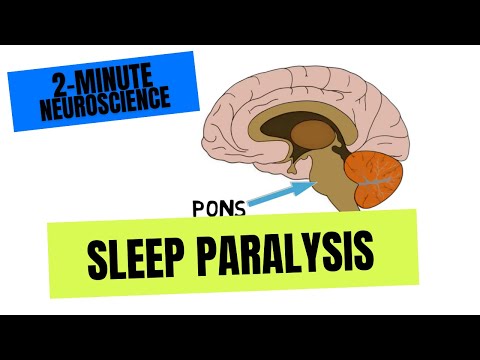
So, you know that weird state between sleeping and waking? Yeah, that’s where sleep paralysis hangs out. You could be dreaming one minute and then—bam! You’re frozen in place, unable to move.
It sounds straight out of a horror movie, right? But for some folks, it’s a real-life nightmare. Imagine lying there, seeing things that aren’t really there, feeling like you can’t breathe. Scary stuff!
And if you’ve ever been there, you know it’s not just about the creepy imagery. It can mess with your head in ways you wouldn’t expect. So let’s chat about the signs of sleep paralysis and how they might play tricks on your mind. Ready?
Understanding Sleep Paralysis: The Physiological Changes That Occur During Episodes
Sleep paralysis can feel like one of those horror movie scenes that just won’t end. You wake up and, suddenly, you can’t move or speak. It’s a weird mix of being awake and dreaming, making you feel trapped in your own body. Let’s break down what actually happens during those episodes.
What is Sleep Paralysis?
This is a phenomenon that occurs when you’re waking up or falling asleep. Basically, your brain wakes up, but your body is still in the sleep mode. Your muscles are temporarily paralyzed to prevent you from acting out your dreams. So, while you’re aware of your surroundings, you can’t move a muscle. Sounds freaky, right?
Physiological Changes During an Episode
During sleep paralysis, there are several physiological changes happening:
- REM Sleep: Most sleep paralysis episodes occur during Rapid Eye Movement (REM) sleep. This is the deep sleep phase when dreaming happens. In this state, your brain is super active while your body remains dormant.
- Muscle Atonia: During REM sleep, there’s a natural loss of muscle tone called atonia. This protects you from physically acting out dreams but can lead to temporary paralysis upon waking.
- Increased Heart Rate: Some people might notice their heart racing during an episode due to the stress and fear involved with the inability to move.
- Cortisol Levels: Stress hormones like cortisol might spike as well. This can make the experience feel even more intense and anxiety-inducing.
Let me share something real quick: I remember chatting with a friend who experienced this for the first time. She said she woke up feeling completely aware but couldn’t shout for help when she saw a shadowy figure in her room! That mix of fear and helplessness was unlike anything else.
The Psychological Effects
The psychological effects of sleep paralysis can be pretty wild too:
- Anxiety: Experiencing this even once can leave people anxious about going to bed again.
- Panic Attacks: The fear that comes with not being able to move might trigger panic attacks for some.
- Trouble Sleeping: Many develop insomnia because they start associating sleep with danger or dread.
These feelings often linger long after the episode ends and may impact overall mental health.
Your Experience Matters
If you’ve gone through something like this, know you’re not alone! Many people have similar experiences and find it helpful to talk about it—maybe with friends or even a therapist if it gets overwhelming.
To wrap things up: understanding what’s going on in your body during these episodes helps demystify them a bit. It’s all part of how our complex brains work while we snooze! Instead of thinking it’s supernatural or something scary, recognizing it’s just physical processes might help ease some fears around it all.
Overcoming Sleep Paralysis: Techniques to Break Free from the Nightmare
Sleep paralysis can be one of those terrifying experiences that leave you shaken. You wake up and can’t move, feeling trapped in your own body with a creeping fear tightening around you. It’s like waking up from a nightmare but still being in one. That feeling is real, and it affects more people than you’d think.
So, what exactly happens during sleep paralysis? Well, your brain wakes up, but your body doesn’t. You’re usually caught between the stages of wakefulness and sleep, which can lead to some pretty wild hallucinations. People often report sensing a presence in the room or feeling pressure on their chest. It’s intense!
**Signs that you’re dealing with sleep paralysis include:**
- Inability to move or speak while falling asleep or waking up.
- Feeling a heavy weight on your chest.
- Experiencing vivid hallucinations.
- Feeling a sense of dread or fear.
Imagine this: a friend wakes up one night, unable to move, feeling like someone is watching them. Their heart races as they see shadows moving across the room. When they finally can move again, it leaves them gasping for air and questioning reality.
Now let’s talk about what you can do if sleep paralysis hits you hard. **Here are some techniques that can help break free from this eerie slumber trap:**
- Practice good sleep hygiene: Getting enough restful sleep can minimize episodes. Aim for 7-9 hours each night.
- Avoid sleeping on your back: Many people find that sleeping on their side helps reduce occurrences.
- Reduce stress: Stress management techniques such as meditation or deep breathing exercises can calm your mind before bed.
- Create a bedtime routine: Consistent routines help signal to your body that it’s time to wind down and rest.
It’s crucial to recognize how these episodes might affect you emotionally too. They can lead to anxiety about going to sleep, making it harder to get those much-needed Z’s. People who experience frequent episodes sometimes report feelings of depression or heightened anxiety levels.
Imagine feeling anxious every night as bedtime approaches because you’re worried about facing another episode. It’s exhausting! That’s why addressing the psychological impact is just as important as managing the physical sensations.
If these techniques don’t work and sleepless nights continue haunting you, consider chatting with a mental health professional. Sometimes talking things out not only helps alleviate fears but also uncovers any underlying issues that might be contributing to your restless nights.
Overall, tackling sleep paralysis involves understanding it better and finding strategies that fit into your lifestyle—like recognizing when to seek help or adjusting how you approach bedtime routines. You’re not alone in this; many have walked this eerie path and found ways through it!
Understanding Sleep Paralysis: Signs, Symptoms, and What It Looks Like
Sleep paralysis can be a really freaky experience, and it’s way more common than most people think. Basically, it happens when you’re, like, caught between being awake and still in that dream state. You’re aware of your surroundings but can’t move or speak. Sounds spooky, right?
Symptoms often include feeling pressure on your chest or experiencing hallucinations—those can be visual or auditory. Imagine lying in bed, wide awake but unable to move while you hear strange voices or see shadowy figures looming over you. Yeah, it’s unsettling!
People typically experience sleep paralysis during transitions between sleep and wakefulness. This usually happens when you’re either falling asleep or waking up. So if you’ve ever jolted awake and felt like something was holding you down, that might’ve been sleep paralysis at work.
It’s not just the inability to move that gets people; the psychological effects can linger too. Many folks report lingering feelings of anxiety after an episode. Some even start to dread going to bed altogether because they fear another episode is coming.
Now let’s talk about signs. Here are a few common indicators that someone might be experiencing sleep paralysis:
- Inability to move or speak for a few seconds to less than a minute.
- Sensation of weight on your chest.
- Hallucinations—seeing or hearing things that aren’t there.
- A feeling of fear or dread during the experience.
Picture this: Sarah had her first episode while napping on the couch one afternoon. She woke up but couldn’t budge an inch; she felt like something was pressing down on her chest. She saw a shadowy figure right by her side—a total nightmare! After that experience, she became super anxious about naps and bedtime.
So yeah, sleep paralysis can have significant psychological effects even beyond the actual episodes themselves. It’s not unusual for someone who has these experiences to develop some anxiety around sleep in general, leading to insomnia or other sleep issues.
If you’re dealing with recurrent episodes, it might be good idea to look into your sleep habits, stress levels, and lifestyle factors—things like tech use before bed or how much caffeine you’re drinking could play a role in this whole mess.
In summary, while it can feel terrifying when it happens and leave you rattled afterward, know you’re not alone in this weird world of sleep paralysis!
Sleep paralysis is one of those experiences that can be really unsettling. Imagine waking up, being aware of everything around you, but you can’t move a muscle. Like, your body is totally frozen, and it’s not just a quick moment—it can feel like ages. This kind of thing happened to my buddy Jason once. He told me he woke up one night, felt like there was pressure on his chest, and saw shadows moving in his room. It scared the daylights out of him.
So, what’s going on? You might notice some telling signs if you’ve experienced sleep paralysis. For one thing, it often happens when you’re either falling asleep or waking up—like your brain’s in this odd limbo state between sleep and wakefulness. You might feel a heavy weight on your chest or have trouble breathing for a bit. Sometimes people hear voices or feel like someone’s in the room with them. I mean, talk about freaky!
The psychological effects can be significant too. For some folks, it could lead to anxiety about sleep—who wouldn’t be paranoid? You start dreading bedtime because you’re afraid the paralysis will hit again. And get this: it can also mess with your dreams and how rested you feel during the day. If you’re constantly worried about waking up unable to move again, that’s gonna take a toll.
You see, our minds are weirdly powerful. What starts as a one-off experience can morph into something more persistent if it’s not addressed. Anxiety might creep in about sleeping alone or even sleeping at all! And that stress only makes it harder to relax enough to actually get good rest.
Jason recounted how he avoided sleeping on his back after that night because he figured that was the trigger for the whole ordeal—even though science says that’s not always true! But hey, when you’re trying to find solutions for something scary like sleep paralysis, you cling to whatever helps.
It’s wild how closely connected our brains and bodies are when it comes to sleep issues like these. So if this resonates with you or someone you know—remember you’re not alone in this weird world of sleeplessness and anxiety! Sleep should be something we look forward to—not something that sends us running for the hills at bedtime!