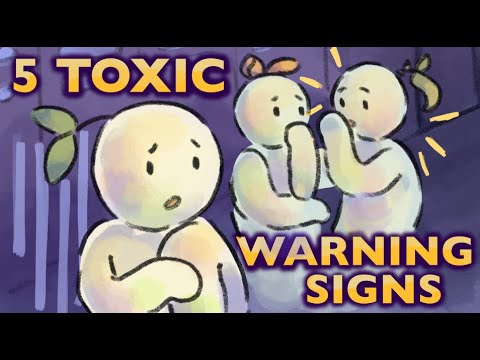
You know that feeling when you’re hanging out with someone, and it just doesn’t feel right?
Like, you leave their place feeling drained or maybe even a bit anxious?
Yeah, that’s not cool.
Friendships should lift you up, not weigh you down.
But sometimes, it’s tough to see the signs of a toxic friendship. Like, you’re so caught up in it, you almost don’t notice how it’s affecting you.
So let’s chat about what to look for and why it matters for your wellbeing.
Identifying the Signs of a Toxic Friendship: A Guide to Healthy Relationships
Identifying a toxic friendship can be tough, but it’s super important for your mental well-being. You know when a relationship feels off, but you might not always pinpoint why. Sometimes, it’s like there’s this heavy cloud hanging over you when you’re with certain friends. Let’s break down some signs that might suggest a friendship isn’t quite right.
First off, think about how you feel after hanging out. If you often feel drained or anxious instead of uplifted and happy, that’s a sign something might be off. Healthy friendships should energize you, not make you feel like you’ve just run a marathon.
Another thing to consider is the level of support. A true friend should be there for you during tough times. If your friend is consistently unsupportive or dismissive about your problems, well, that could point to toxicity. It’s like having someone in your corner during the game; if they’re just sitting there scrolling on their phone instead of cheering for you, what’s the point?
Maybe they twist your words or make you feel guilty for needing help. That’s manipulative behavior and totally unacceptable.
Is everything one-sided? Are most of your meet-ups based on what they want to do? Healthy friendships are give and take; both people need to feel heard and valued.
Sometimes, these kinds of friendships can sneak up on us without us realizing it. For instance, I had this friend who always seemed fun at first but slowly became controlling about our plans—like deciding where we’d go without asking me what I wanted. Over time, I felt less like a partner in crime and more like an accessory.
Also pay attention to how they react to your successes. Do they celebrate with you or try to downplay what you’ve done? Jealousy and competition shouldn’t be part of true friendship; instead, it should feel more like having an excited cheerleader by your side.
Another big sign is constant criticism or judgment. Healthy friends will challenge each other respectfully sometimes—constructive feedback can actually help us grow—but if criticism starts feeling personal or overly harsh all the time? Run!
If you’re constantly saying sorry for expressing yourself or wanting different things than them, that’s not how real friends should interact.
And hey, don’t forget about communication! If it’s hard to talk openly without fear of judgment or backlash from them—red flag alert! You deserve relationships where open dialogue is welcomed.
In summary: Trust your gut feelings about friendships. If something feels off repeatedly after hanging out with someone—even if it’s just little stuff—it might be time to reassess that relationship. Remember: You deserve friends who lift you up instead of dragging you down!
Understanding the Impact of Toxic Friendships on Your Mental Health and Well-Being
It’s pretty common to think of friendships as these safe spaces where you can be your true self, right? But not all friendships are healthy. Some can actually drain your energy and mess with your mental health. And that’s where the whole “toxic friendship” thing comes into play.
So, what exactly is a toxic friendship? Well, it’s basically one where the relationship feels off balance. You know, when you’re doing all the giving and they’re just taking? Sometimes it’s subtle; other times, it hits you like a ton of bricks.
Here are some signs that might help you spot a toxic friendship:
- You feel drained after hanging out with them.
- They frequently belittle or criticize you.
- You find yourself constantly making excuses for their behavior.
- When good things happen to you, they seem unsupportive or even jealous.
- You feel anxious or unhappy when you’re around them.
Think about it: have you ever had a friend who turns every conversation back to themselves? It’s like they’ve got this spotlight that just never shifts. Or maybe there’s a “friend” who only reaches out when they need something but disappears when you could use some support.
And here’s where it gets real—these kinds of friendships can seriously mess with your mental well-being. You might start feeling anxious or stressed just thinking about spending time together. It’s kind of like walking on eggshells; you’re constantly worried about how they’ll react.
So why do we keep these toxic ties? Honestly, sometimes it’s fear of being alone or thinking that maybe we’ll be able to change things for the better. We hold on tightly to hope because cutting someone out can feel like losing part of ourselves—like saying goodbye to a piece of our history.
But here’s a thing – staying in those relationships can lead to feelings of low self-esteem and increased anxiety over time. You end up doubting yourself and feeling trapped in negativity.
Break free from this cycle by trying these steps:
- Reflect on how this friendship makes you feel overall.
- Communicate your feelings honestly (if you’re comfortable).
- Create some distance if things don’t improve.
Remember the story about Sam? She had this friend who was always the center of attention but never really listened. After years of feeling ignored and hurt, Sam decided enough was enough. She stepped back, focused on her own happiness, and found incredible friends who lifted her up instead.
You deserve friends who encourage you—not drain your spirit! Recognizing those toxic friendships is just the first step; breaking free can lead to healthier connections and way better mental health in the long run.
10 Signs You’re Surrounded by Toxic People: How to Identify and Distance Yourself
So, let’s talk about toxic people in your life. You know, those folks who seem to drain the energy right out of you? Recognizing when you’re surrounded by them is super important for your wellbeing. Here are some signs to look out for and ways to distance yourself.
1. They Constantly Criticize You
If you’re always second-guessing yourself after hanging out with someone, that’s a huge red flag. Constructive criticism can be helpful, but if they just pick you apart? Yeah, that’s toxic.
2. They’re Always Playing the Victim
Toxic people tend to twist situations to make themselves the victim. It could be exhausting listening to their tales of woe while ignoring how their actions affect others.
3. You Feel Drained After Spending Time With Them
You know that feeling when you walk away from someone and feel like you’ve run a marathon? If your energy is zapped every single time, it might be time to think twice about that friendship.
4. They Don’t Respect Your Boundaries
If someone repeatedly crosses your boundaries or doesn’t take “no” for an answer, that’s a huge deal! Healthy relationships are built on respect, so don’t ignore this one.
5. They Gossip About Others
If they’re always talking behind others’ backs, guess what? They’re likely doing the same about you when you’re not around. That kind of behavior indicates a lack of loyalty and respect.
6. They’re Overly Jealous or Competitive
A little friendly competition can be fun, but if it’s all about them getting ahead at your expense, it’s just toxic energy. You should lift each other up instead!
7. They Make Everything About Themselves
You could share a heartfelt story or concern and suddenly find it’s turned back into their saga—again! That self-centeredness can wear you down over time.
8. They Try to Control You
If they’re constantly telling you what to do or trying to dictate your choices—be it who you hang out with or where you go—they’re crossing major lines.
9. You Find Yourself Apologizing Often
If you’re saying sorry even when it isn’t your fault just to keep the peace? That’s not healthy! Genuine friendships shouldn’t make you feel like walking on eggshells.
10. You Have More Negative Than Positive Interactions With Them
This one’s big: If most of your exchanges leave you feeling bad rather than good, it could signal toxicity in the relationship. Good friendships should boost your mood!
If any of these ring true for you, it might be wise to distance yourself from those toxic influences in your life. Seriously consider setting boundaries or even stepping back altogether if needed.
Your mental health deserves priority over keeping toxic people around! And remember, finding friends who support and uplift you is totally worth it!
You know, friendships can be super complicated sometimes. I mean, it’s easy to get carried away with the good times and overlook the little things that don’t feel quite right. But recognizing the signs of a toxic friendship is really important for your mental health.
I remember this one friend from high school. We used to hang out all the time, but over time, I started to feel like I was always walking on eggshells around her. If I didn’t laugh at her jokes or didn’t agree with everything she said, she’d turn cold or make snarky comments. It kind of felt like she was keeping score. That made me question myself way too much.
So what are some signs you might ask? Well, if you often feel drained after spending time with someone or find yourself second-guessing your worth constantly, those could be red flags. When a friendship feels more like a burden than a joy, it’s definitely worth taking a step back and asking yourself why that is.
You might notice that conversations tend to revolve around that friend. Your achievements? They don’t really get acknowledged. But let them have a bad day? Suddenly you’re their therapist! It’s not about keeping tabs; friendships are supposed to be two-way streets!
Another biggie is manipulation or guilt-tripping. Have you ever had moments when a friend makes you feel bad for wanting to hang out with others? Like they throw subtle shade whenever you mention spending time apart? That’s not cool at all! You deserve friends who uplift and support you, not ones who play mind games.
And hey, if you find yourself justifying their behavior to others, it might be worth taking a closer look at the situation. It’s natural to want to give people the benefit of the doubt, but there comes a point where excuses can actually harm your well-being more than help.
In any case, stepping away or re-evaluating these kinds of friendships doesn’t mean you’re being mean or unkind—it’s about protecting your own space and energy! Sometimes people grow apart and that’s okay too.
So trust your gut—if something feels off in a friendship, it’s probably worth addressing. You’re allowed to prioritize your mental health and happiness over draining connections! Life’s too short for anything less than joy-filled relationships!