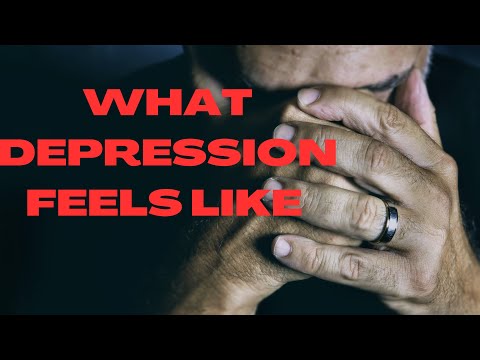
You know, sometimes life feels like it’s dragging you down. Like, no matter what you do, that heavy blanket just won’t lift off your shoulders. It’s exhausting.
Severe depression can be sneaky, creeping up on you when you least expect it. One minute you’re fine, and the next? Everything seems gray.
It’s tough to talk about, but recognizing those signs is super important. The thing is, if you or someone you care about might be feeling this way, knowing what to look for can make a big difference.
Let’s break this down together. We’ll look at the signs and symptoms so you can better understand what’s going on. Seriously, it’s okay—you’re not alone in this!
Effective Strategies for Coping with Severe Depression: A Comprehensive Guide
Let’s talk about coping with severe depression. It can feel really heavy, like you’re carrying around a backpack filled with rocks. Seriously, sometimes it’s hard to even get out of bed. But there are strategies that can help lighten that load.
Recognizing the Signs is key. You gotta know what you’re dealing with before you can tackle it. Common signs of severe depression include persistent sadness, loss of interest in activities you once enjoyed, changes in sleep or appetite, and difficulty concentrating. Feeling hopeless or having thoughts of self-harm? That’s serious and needs immediate attention.
One effective strategy is establishing a routine. When your days feel chaotic, structure helps bring some normalcy back into your life. Even if it’s just setting a time to wake up and have breakfast, these little things can create stability.
- Prioritize Self-Care: Look, take care of your basic needs. Drink water, eat nutritious foods, and try to get some movement in your day. It doesn’t have to be intense; even a walk around the block counts.
- Connect with Others: Isolation is a common struggle with severe depression. So make an effort to reach out to friends or family—even if it feels hard at first! Just sitting together or sharing a laugh can be so uplifting.
Therapy is your friend. Talking to someone who understands what you’re going through can be incredibly helpful. Therapies like Cognitive Behavioral Therapy (CBT) help you challenge those dark thoughts that drag you down.
- Meditation and Mindfulness: This might sound hippie-dippie, but seriously—taking time for mindfulness practices can calm your mind and decrease stress levels.
- Avoid Alcohol and Drugs: They might seem tempting for escape but they often make things worse in the long run. Stick to healthier coping mechanisms!
You know what else helps? Setting small goals. It’s all about baby steps! Maybe today it’s making your bed or taking a shower; tomorrow could be picking up that book you’ve been meaning to read. Celebrate those wins, no matter how small!
If you find yourself feeling overwhelmed, don’t hesitate to seek professional help. There are pros who specialize in depression who can provide the support and tools you need for navigating this tough journey.
The important thing is that you’re not alone in this fight against severe depression. There are paths forward and ways to cope that really do work over time—it just takes some effort and patience on your part.
You’ve got this! Remember, every small step counts.
Understanding Severe Major Depression: Key Symptoms, Causes, and Treatment Options
Severe Major Depression can hit hard, turning your world upside down. It’s more than just feeling sad for a few days; it’s like being caught in a storm that you can’t escape. Let’s break it down so it makes sense.
Key Symptoms
When someone is facing severe major depression, they might experience a range of intense symptoms. It’s like being in a fog that just won’t lift. Here are some of the main signs to watch for:
- Persistent Sadness: This isn’t your typical “bad day” feeling. It can feel heavy, like carrying around bricks.
- Loss of Interest: Hobbies or activities that used to bring joy? Poof! They might not matter anymore.
- Disrupted Sleep Patterns: You could be sleeping way too much or not at all. It’s like your body can’t figure out how to rest properly.
- Fatigue: Even simple tasks can feel exhausting, making you feel drained all the time.
- Feelings of Worthlessness: You may have these nagging thoughts that tell you you’re not good enough—like a persistent voice in your head.
- Cognitive Issues: Trouble concentrating? That brain fog is real and frustrating.
- Thoughts of Death or Suicide: Sometimes, people might start thinking about these things as an escape from pain.
Any combination of these symptoms could signal that something deeper is going on.
Causes
So what brings on severe major depression? It’s complex and often unique to the individual. Some possible causes include:
- Genetics: If mental health issues run in your family, you might be more prone to experiencing them yourself.
- Chemical Changes in the Brain: Imbalances in neurotransmitters—those little messengers in our brains—can contribute to feelings of sadness and hopelessness.
- Lifespan Events:: Stressful life events like losing a job, going through a breakup, or experiencing trauma can trigger symptoms.
- Mental Health History:: Previous episodes or existing mental health disorders can increase vulnerability as well.
It’s often a mix of several factors rather than just one single cause.
Treatment Options
Dealing with severe major depression isn’t something anyone should face alone; there are various treatment options out there. People usually find relief through one or more of the following:
- Therapy:: Talking things out with a therapist who gets it can be incredibly helpful. Cognitive Behavioral Therapy (CBT) focuses on changing negative thought patterns that keep dragging you down.
- Medications:: Antidepressants can help correct those chemical imbalances we talked about earlier. You know how sometimes medicine makes things better? This is one of those times!
- Lifestyle Changes:: Regular exercise, eating well, and getting enough sleep go along way in lifting mood over time. Even if you don’t feel up to it at first, small steps count!
-
b>Sects Support Groups: If connecting with others who understand what you’re going through sounds comforting, support groups provide shared experiences and encouragement from people who’ve been there too.
text:b>
Finding what works for you might take time—it’s totally okay! Remember, reaching out for help isn’t weakness; it’s strength.
In summary, severe major depression is no joke but understanding its signs and seeking treatment options makes all the difference. You’re not alone in this fight!
The Most Severe Stage of Depression: Understanding the Signs and Impact
Severe depression, also known as major depressive disorder, can be really tough to deal with. It’s more than just feeling sad for a few days; it’s like this heavy blanket that just won’t come off. You might find it hard to get out of bed, let alone tackle the day. Let’s break down what this looks like.
Signs of Severe Depression can vary between people, but some common symptoms include:
- Persistent Sadness: This isn’t just the blues; it’s this deep, aching sadness that hangs around.
- Lack of Interest: Activities that once brought joy? Yeah, they don’t seem fun anymore. You might not even want to hang out with friends or do things you used to love.
- Changes in Sleep Patterns: This could mean sleeping way too much or not at all. Both extremes can make you feel exhausted and foggy.
- Fatigue: Even small tasks feel overwhelming. Getting dressed might require a ton of energy, which is frustrating.
- Feelings of Worthlessness: You may start thinking you’re not good enough or blame yourself for everything that goes wrong.
- Difficulties Concentrating: Remembering stuff or making decisions feels like trying to swim through molasses.
- Thoughts of Death or Suicide: This is serious. If these thoughts pop up, it’s crucial to reach out for help immediately.
Now, the impact of severe depression isn’t just personal—it ripples out into every part of your life. Work performance may tank because concentrating feels impossible. Relationships can suffer too; friends may think you’re distant when really it’s just hard to engage.
A friend of mine once struggled with severe depression after a breakup. She felt like a ghost at her own life—going through the motions but feeling completely disconnected from everything and everyone around her. It was heartbreaking to watch how this led her to isolate herself more and more.
The thing is, understanding these signs, both in yourself and others, can be a game changer. If you notice them in someone close to you—like a friend who used to be bubbly but seems withdrawn—it might be time for a heart-to-heart talk.
Reaching out for help is huge. There are therapists who really know their stuff about depression and medications that can provide some relief too if needed. But remember: You don’t have to go through this alone; there are people who care and want to help.
It’s important if you’re feeling any signs of severe depression—or know someone who might—to take those feelings seriously. Support is out there; all you need is that first step towards getting it!
You know, when it comes to severe depression, it’s like walking around in a fog that just refuses to lift. I remember a friend who went through this, and she described it as feeling so heavy all the time, like she was carrying around a backpack full of bricks. Sounds exhausting, right?
The signs can be pretty sneaky too. It often starts with just feeling kinda down or unmotivated. You might find yourself losing interest in things you once loved, like that favorite hobby or hanging out with friends. Maybe you catch yourself sleeping way too much or barely at all—there’s no middle ground sometimes. And let’s talk about appetite; you could either be snacking non-stop or forgetting to eat altogether.
But it doesn’t stop there. You may feel this overwhelming sense of hopelessness that just wraps around you like a thick blanket. It’s tough because people looking from the outside might not even see it. “You seem fine,” they say, while inside you’re screaming for help.
And then there’s the physical stuff—aches and pains that have no real explanation, fatigue that makes even simple tasks feel monumental, like climbing Everest without training. That weight on your shoulders? It’s real and heavy.
If someone starts taking about feelings of guilt or worthlessness, those are massive red flags too. Severe depression can warp your self-perception and leave you questioning every little thing about yourself.
So if you notice these signs in yourself or someone else, it’s not something to brush off or ignore—it’s crucial to get help! Finding a therapist can make a world of difference, and talking about what you’re going through is honestly one of the bravest things someone can do.
At the end of the day, recognizing these symptoms isn’t about labeling someone or putting them in a box; it’s about shining light on something really dark and helping each other out—even if it feels daunting at times. Just reaching out can be the first step toward healing!