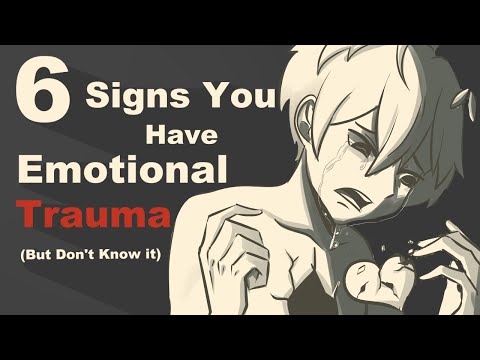
You know what’s wild? Life can throw some seriously heavy stuff at us. Sometimes, it hits harder than we realize. And sometimes, we walk around with all this weight on our shoulders without even knowing it.
You might be feeling off but can’t quite put your finger on why. Maybe it’s a nagging sense of anxiety or moments when you feel totally disconnected from everything around you.
You’re not alone in this. A lot of people deal with trauma, and it shows up in sneaky ways. That’s why I want to chat about some signs you might be experiencing trauma in your life right now.
So grab a drink, get comfy, and let’s dig into this together. Seriously, it might just help you understand yourself a little better.
Identifying Trauma: Key Signs and Symptoms You Shouldn’t Ignore
Trauma is one of those heavy words, right? But the thing is, it can show up in all sorts of ways in our lives. You might not even realize it’s there until you start noticing some signs. Understanding these signs can really make a difference.
Emotional Changes
If you’ve been feeling super emotional or numb lately, that could point to trauma. You know how sometimes you might feel intense sadness or anger for no clear reason? That’s part of it. It’s like your emotions are on a rollercoaster, and every little bump sends you flying.
Physical Symptoms
Sometimes trauma isn’t just in your head; it gets into your body too. Headaches, stomach problems, or even chronic pain can be symptoms. If you’ve noticed persistent issues that doctors can’t quite explain, think about what could be going on emotionally.
Flashbacks
Ever find yourself suddenly reliving a painful moment from your past? Flashbacks are more than just memories; they’re like experiencing the event again in real-time. It can feel so real that it’s almost scary. If this happens to you, it’s important to talk about it.
Avoidance
You might also notice that you’re avoiding things that remind you of the trauma—like places, people, or conversations. For example, if someone brings up a certain topic and you quickly change the subject or leave the room, that’s a sign something’s up.
Hypervigilance
This one’s a bit tricky but important too! You may feel jumpy or easily startled by loud noises or unexpected events. It’s like your brain is always on high alert because it’s waiting for danger around every corner.
Difficulties with Relationships
Trauma can throw off how we connect with others. You might struggle with trust and find yourself pushing people away, even those you care about deeply. Or maybe you’re overly clingy because you’re scared of losing someone—it’s all part of navigating through trauma.
Cognitive Issues
If you’re having trouble concentrating or remembering things lately—yeah, trauma could be playing a role here too. Sometimes stress from traumatic experiences fills your mind so much that it feels impossible to focus on anything else.
So here’s the deal: recognizing these signs is key to understanding if trauma is affecting your life. If any of this resonates with you—or if something just feels off—don’t hesitate to reach out for help. Talking to someone who gets it can seriously lighten the load and help put you back on track again.
Identifying Signs of Emotional Trauma in Adults: Key Indicators to Recognize
Alright, let’s chat about emotional trauma in adults and some signs you might be experiencing it. Emotional trauma can sneak up on you and leave a lasting impact. It could stem from life events like accidents, loss, abuse, or even a bad breakup. You might not realize it’s hanging around until it starts affecting how you feel and act.
First off, one big indicator is mood changes. If you’re feeling a rollercoaster of emotions—maybe you’re suddenly angry or sad without much reason—it could point to something deeper. Take my friend Sarah for example; after going through a rough divorce, she noticed that little things would irritate her way more than they used to. Mood swings can signal unresolved issues.
Another sign is withdrawal from social situations. Are you avoiding friends or skipping gatherings you once loved? Imagine being invited out but suddenly not wanting to see anyone because it feels overwhelming. That isolation can be a clear message from your mind saying something’s off.
- Physical symptoms: Such as headaches or stomachaches, can also pop up when you’re dealing with emotional trauma. Your body often responds to stress before your mind even catches on.
- Difficulty concentrating: If focusing on tasks feels like climbing uphill in quicksand, that’s another flag. This struggle often happens if your mind is preoccupied with past events or feelings that won’t shake loose.
- Your sleep patterns might shift. Maybe you’re sleeping too much or having trouble falling asleep at all. Loss of sleep can make everything feel worse and heightens feelings of anxiety or sadness.
Flashbacks or intrusive memories are also major red flags. Picture this: you’re fine one minute, and then suddenly you’re hit with vivid memories of a traumatic event, pulling you right back to that moment. It can feel so real that it’s like time traveling back into the painful experience.
If you find yourself constantly feeling anxious or on edge, that could also mean an underlying trauma is surfacing. Like when you’re always waiting for the other shoe to drop—kind of exhausting right? It’s hard to truly relax when your mind is always racing with worries about what might happen next.
Avoidance behavior comes into play here too. It’s common for people who have experienced trauma to steer clear of places, people, or situations that remind them of the hurtful experience. So if you’ve stopped going somewhere because it brings back bad vibes—that’s worth noting!
The thing is, these signs can vary from person to person but recognizing them is crucial in starting your journey toward healing.
If any of this resonates with you—or if someone you know seems off—don’t hesitate to reach out for help!
Understanding the 7 Stages of Trauma Healing: A Comprehensive Guide
Trauma can really mess with your head, and sometimes you don’t even realize it’s happening until much later. It’s like carrying around this heavy backpack filled with rocks—you know? But healing is totally possible, and understanding the stages of trauma healing can help you feel more grounded. So let’s break this down.
1. Shock and Denial
When something traumatic happens, it often feels surreal. You might find yourself thinking, “This can’t be happening to me” or feeling numb. Emotions are all over the place, but mostly, you’re just trying to process what went down. It’s kinda like when your favorite team loses unexpectedly; you just can’t wrap your head around it at first.
2. Pain and Guilt
Once the shock wears off, you might feel intense sorrow or guilt. You might think things like “I should have seen it coming” or “Why didn’t I do something?” This stage is tough—it’s where those feelings of deep sadness come into play. It’s normal, but you gotta let yourself feel those emotions rather than bottle them up.
3. Anger
After grappling with pain comes anger—like a wildfire burning through everything in its path! You could feel mad at the person who hurt you, at yourself for letting it happen, or even at the world in general. And hey, that’s okay! Anger is a response that can lead to healing if managed well; just don’t take it out on someone else.
4. Bargaining
Now enters the bargaining phase—which often sounds like a lot of “If only…” statements in your head: “If only I had taken a different route,” for example. It’s a way of trying to regain control over what feels uncontrollable by wishing things had gone another way. But remember: we can’t change the past.
5. Depression.
You might slide into feeling off—a bit withdrawn from life—like being stuck under a cloud that never clears up. This phase often brings feelings of hopelessness or despair about the future; everything seems bleak without any silver lining in sight.
6. The Upward Turn
But then comes some sunshine! You start to notice glimmers of hope poking through those clouds as things gradually improve day by day—you know? It could be tiny victories like getting out of bed or taking a walk outside—things that show you’re moving forward.
7. Reconstruction and Working Through
Now is when you’ll put on your boots and begin reconstructing your life post-trauma! You might work on new coping strategies or seek therapy; whatever helps you shape your world again towards something positive and whole.
Healing isn’t linear—it won’t go from one stage to another perfectly every time! Sometimes people bounce back and forth between stages without warning (and that’s totally normal!). It’s key to give yourself grace during this process—healing takes time and patience!
Remember: if things get too overwhelming, it’s perfectly okay to reach out for support from friends or professionals who understand what you’re going through!
Let’s talk about trauma, shall we? It’s one of those things that can sneak up on you when you least expect it. Maybe you’re walking around feeling fine one day, and then the next, bam! You’re hit with this heavy cloud of emotions. It’s wild how that happens.
So, what are some signs that you might be dealing with trauma? Well, for starters, you could notice changes in your mood. You might find yourself feeling more anxious or irritable than usual. Like, ever had one of those days where even small annoyances feel ten times worse? Yep, that’s your nervous system getting a little overwhelmed.
Then there’s this fun little thing called flashbacks. If you’ve ever suddenly found yourself back in a situation that was really distressing, even if you weren’t thinking about it at all beforehand—yeah, that’s a big flag waving in your face. It can feel like you’re stuck in a time loop and those moments can be super disorienting.
You may also start avoiding places or people that remind you of whatever happened. Maybe some friends have noticed you’ve been MIA lately, and it feels like every time they invite you out, you’re just not up for it. It’s like a sneaky way your mind tries to protect you but ends up isolating you instead.
And let me tell ya about sleep patterns! If you’re finding it hard to catch Z’s—whether you’re tossing and turning or sleeping way too much—that can signal something deeper going on inside your head too. I remember after a tough breakup, I’d lie there at night thinking about all the “what-ifs,” which would just keep me awake until the sun came up.
Oh! And don’t forget about physical symptoms like headaches or stomach issues—it’s strange how our bodies can hold onto stress and trauma as if they’re packing for a long trip. You could end up feeling fatigued and tense without really knowing why.
Sometimes it’s helpful to trust your gut feelings, too. If something feels off in your life but you can’t quite put your finger on it—that might mean there’s some unresolved stuff brewing beneath the surface waiting for an outlet.
Anyway, recognizing these signs is really just the first step toward understanding what you’re experiencing. Being open with yourself about how trauma shows up can help pave the way for healing. So yeah, give yourself grace if you’ve been feeling any of this way; it’s all part of being human—messy but totally real!