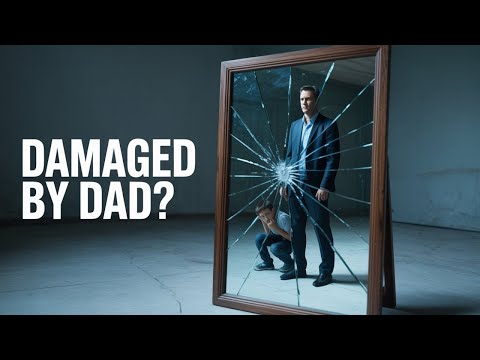
You know, relationships can be tricky. Especially, like, the one between a father and son. It’s usually filled with high hopes, expectations, and sometimes… tension.
If you’ve ever felt that uneasy vibe in your own dad-son relationship, you’re not alone. Seriously. Many guys grapple with this stuff more than they let on.
The thing is, those vibes can mess with your mental health. You might even find yourself feeling anxious or distant without really knowing why.
So, let’s chat about some signs that things might not be so peachy between you and your dad. Because recognizing the trouble is a good first step towards figuring it all out.
Recognizing Signs of an Unhealthy Father-Son Relationship: Key Indicators and Impact on Mental Health
Recognizing an unhealthy father-son relationship can be tough. It’s not always super obvious, you know? But some signs pop up that can really show there’s trouble brewing. Let’s break it down a bit—what to look for, and how this mess can affect mental health.
1. Lack of Communication
If you notice that conversations between a dad and son are almost non-existent, that’s a big red flag. Healthy relationships thrive on open talk. If it feels like pulling teeth just to share thoughts or feelings, something’s off.
2. Constant Criticism
Does the dad often make belittling comments or criticisms? This can chip away at a son’s self-esteem over time. It might seem harmless at first, but those words linger longer than you’d think.
3. Emotional Distance
If a father seems emotionally unavailable or disconnected, it creates a barrier that can be hard to break down later on. Sons need emotional support too! Feeling ignored or dismissed can lead to feelings of worthlessness.
4. Unreasonable Expectations
Some dads put the bar way too high for their sons—like pushing them into sports, academics, or careers they aren’t passionate about just because it looks good on paper. This pressure can create anxiety and resentment.
5. Dependency Issues
A father who tries to control every aspect of his son’s life might foster dependency rather than independence. This dynamic can lead to feelings of inadequacy when the son tries to make decisions on his own.
So what does all this mean for mental health? Well, the impact can be pretty serious. Many young men in these situations struggle with anxiety and depression because they feel trapped in their roles or overwhelmed by expectations—from both themselves and their fathers.
Let me tell you about my buddy Mark—he had a rocky relationship with his dad where it felt more like an obligation than love. His old man always pointed out what he did wrong instead of celebrating his wins. Eventually, Mark started doubting himself and withdrew from friends and family because he didn’t think he was good enough for anyone—especially not for his dad.
The thing is, recognizing these signs early on is crucial—not just for the sake of father-son bonding but also to protect mental well-being in the long run! A healthy relationship leads to better self-esteem and emotional resilience; without that foundation? Well, let’s just say it’s a rough road ahead!
If you see these signs in your life or someone else’s, please don’t ignore them; seeking help could turn things around before they spiral out of control!
Understanding the Key Issues Impacting Father-Son Relationships
Father-son relationships can be a bit of a rollercoaster, can’t they? There’s so much love there, but sometimes the ride gets really bumpy. You know, issues can crop up that affect both mental health and emotional well-being. Here’s what you might want to consider when diving into this topic.
First off, **communication** plays a huge role in any relationship. Often, fathers and sons struggle to express their feelings, leading to misunderstandings. One might want to bond while the other feels overwhelmed or pushed away. That disconnect can create distance.
Secondly, there’s the **expectation gap**. Sometimes dads have these big dreams for their sons—like playing sports or excelling in school—while the sons might just want to explore their own paths. This pressure can lead to feelings of inadequacy on both sides. Seriously, you’ve gotta be careful with expectations because they can crush spirits.
Then there’s the whole aspect of **role models**. A father is often viewed as a hero or a standard-bearer, but nobody’s perfect! When dads fall short of those ideals (think: alcoholism, anger issues), it can shake things up pretty badly for their sons. They might internalize feelings of disappointment or even shame.
Also important are **life transitions**—like entering adolescence or becoming an adult. These stages are often filled with tension as identities shift and independence grows. Dads might struggle with letting go while sons may feel stifled if they sense too much control.
Now let’s talk about signs that things aren’t going so smoothly in a father-son relationship:
- Withdrawal: If one person is pulling away emotionally or physically.
- Increased conflict: Frequent arguments or tension over small things.
- Lack of communication: No one really talking about feelings; silence becomes the norm.
- Resentment: Lingering negative feelings that don’t seem to go away.
I remember a friend who was really struggling with his dad after high school graduation. His dad had dreams for him—that he’d follow in his footsteps and study law—but my friend wanted to pursue art instead. The unmet expectations caused such friction that they barely spoke for months! It took some real conversations about their feelings before they could rebuild trust and understanding.
Mental health issues often stem from these relational difficulties too! Signs like anxiety, depression, or even anger management problems could arise if the relationship is rocky for too long. It’s like walking around with heavy baggage; eventually, it starts weighing down on you.
So what can help here? Honestly? Talking it out is key! You could suggest counseling for both parties if needed—it doesn’t have to be formal therapy; sometimes just chatting over coffee helps clear up misunderstandings and hurts.
In essence, father-son relationships are complex and full of potential pitfalls—but awareness is half the battle, right? Recognizing when issues arise early on makes it easier to address them before they turn into something bigger down the line.
Understanding the Challenges: Why Father-Son Relationships Can Be Difficult
Father-son relationships can be tricky, right? There’s this whole mix of expectations, emotions, and sometimes even generations of baggage to unpack. Let’s talk about why these relationships can face some serious hurdles.
Different Communication Styles
One big issue is communication. Dads often come from a different era with different ways of expressing feelings. You might feel like you’re speaking a whole different language! A son could be all about sharing emotions and being open, while the dad might stick to more traditional ways of talking or even avoid deep discussions altogether. That mismatch can lead to misunderstandings.
Expectations and Pressure
Sometimes, fathers have these huge expectations for their sons. Whether it’s doing well in school, excelling in sports, or just living up to a certain image, the pressure can feel unbearable. Let’s say a son isn’t particularly passionate about football but feels pushed into playing for his dad’s sake. That kind of situation can create tension and resentment—like living in someone else’s shadow.
Role Models
Then there’s the role model factor. Many times, sons look up to their dads as heroes or figures of authority—but what if they don’t match that ideal? When a dad struggles with his own issues like work stress or mental health problems, it becomes hard to see them as that strong figure you need them to be. You might find yourself feeling disappointed or even angry.
Generational Differences
Generational gaps play a role too! The way you think about things—the politics you engage with, your views on relationships—might clash with your dad’s beliefs. Suppose your values are more progressive compared to your dad’s traditional views; that could lead to serious disagreements at the dinner table!
Lack of Emotional Availability
Some fathers find it tough to express emotions or show affection because they grew up learning that vulnerability is a weakness. If you’re not getting that emotional support from your dad when you really need it, it creates distance in the relationship—not what anyone wants!
The Father-Son Dynamic Over Time
As boys grow into men, things shift again. Sometimes sons start seeking independence—wanting to make their own decisions—and dads may feel threatened by that change. This struggle for independence vs control can lead to conflict.
In short… navigating father-son relationships is like walking through a minefield sometimes! It calls for patience and understanding from both sides. Each frustration has roots in history and emotion; recognizing those roots is key if both parties want any chance at healing the relationship—and maybe even thriving together down the road!
You know, when it comes to father-son relationships, they can be pretty complicated. I mean, on the surface, everything might look fine—like they’re just a regular family hanging out. But sometimes, underneath that, there are some struggles brewing. It’s like when you walk into a room and sense a weird vibe; you can’t quite put your finger on it, but you know something’s off.
Take my buddy Dave, for instance. He always seemed kind of distant from his dad. At family gatherings, they’d sit at opposite ends of the table and barely spoke unless someone forced them to chat about sports or old stories. You could tell Dave felt this tension; there was something unresolved hanging in the air between them. Over time, this tension really affected him. He started showing signs of anxiety and even had trouble forming close relationships with friends and partners.
Well, often these kinds of strained relationships can lead to a bunch of emotional problems—like depression or feelings of inadequacy. You start to notice things like lack of communication or constant criticism coming from one side or the other. Maybe there’s an absence of support when it comes to dreams and aspirations too—like one person is never happy with what the other is doing.
Another thing that pops up is anger management issues or even resentment festering over time; these feelings build up until they explode over something small—maybe forgetting to take out the trash! And sometimes those unresolved feelings get pushed down so deep that they manifest as physical health issues too. It’s wild how interconnected our emotional state is with our bodies!
But here’s the kicker: addressing these issues isn’t always easy. You might think opening up about feelings is going to cause more conflict but actually? It might just be what both sides need! Finding ways to communicate openly can truly heal a troubled relationship.
So yeah, if you’re sensing some struggles in your own father-son dynamic—or maybe you’ve seen this in friends—it’s worth digging deeper into those emotions instead of brushing them aside. Healing can take time and effort but it’s totally achievable!