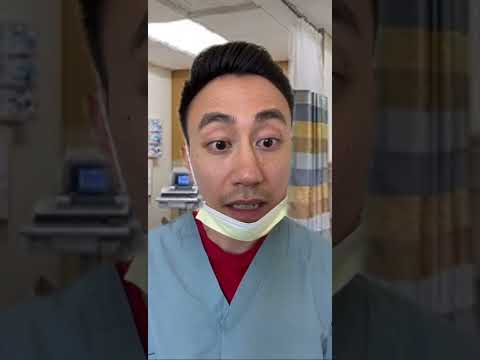
You know that feeling when you just can’t shake off the thought that someone’s out to get you?
Yeah, paranoia can be pretty wild. It’s like your brain gets stuck in this loop, right? Suddenly, every glance feels suspicious, and every whisper seems about you.
But here’s the thing: it doesn’t always mean you’re losing it or anything. Paranoia can sneak up on anyone.
So let’s chat about what it looks like. You might spot some signs in yourself or even in someone close to you. Recognizing them is key to untangling that unsettled mind of yours or a friend’s!
Identifying Early Signs of Paranoia: What to Watch For in Mental Health
Sure thing! Let’s talk about early signs of paranoia and what you might want to keep an eye out for.
So, paranoia isn’t just feeling a little suspicious—it’s more intense than that. It can really mess with your head, making you feel like everyone’s out to get you or that things aren’t what they seem. Over time, it can seriously affect your life.
Here are some signs that might signal paranoia:
Now, these signs don’t mean someone is definitely paranoid; they could stem from anxiety or stress too. But when they stack up, it’s worth paying attention.
Let me share a quick story: I had this friend in college who became increasingly paranoid during finals week. He thought all the study groups were conspiring against him because he kept missing key notes from classes—a serious case of misunderstanding! It turned out he was just overwhelmed and exhausted. Once he got some rest and talked about his anxieties, things turned around for him.
If you notice these signs in yourself or someone else, do not hesitate to reach out for support. Sometimes just talking about what’s going on can help clear the fog a bit! Remember that mental health is super important and recognizing early signs means better chances at getting through tough times smoothly.
In short, keeping an eye on these behaviors can be crucial for mental well-being!
Understanding the Four Types of Paranoia: A Comprehensive Guide
Paranoia can feel like a heavy cloud hanging over you. It’s that nagging feeling that something’s off, and honestly, it can drive you a bit nuts. So, let’s break down four types of paranoia to help you understand what’s happening in your head.
1. Persecutory Paranoia
This is the most common type, and it’s like being in a suspense movie 24/7. You might feel like people are out to get you. Maybe you think your coworkers are gossiping about you, or that someone is following you around town. It’s exhausting, isn’t it? Picture this: Sarah hears whispers at work and immediately jumps to conclusions about her colleagues plotting against her.
2. Referential Paranoia
Now, this kind is where things get a bit wild. You start believing that common things have special meanings just for you. Like when you’re watching TV, and a character suddenly says something that feels like it was aimed right at you—it feels personal! Imagine Tom watching the news and convinced the anchor is sending him secret messages about his life choices.
3. Somatic Paranoia
This type has to do with your body and health. Folks might believe they’re seriously sick or have some bizarre condition that no doctor can find evidence of. Like Lucy thinks she has an unusual disease because she has a small bump on her arm—totally freaking out when it might just be a harmless pimple!
4. Delusional Paranoia
This one is more intense and can be tricky to navigate because it’s rooted in unshakeable beliefs that don’t match reality at all. A person may truly believe they have special powers or are under constant surveillance from government agents, even if there’s zero proof of this hype! Think of John who became convinced he was being monitored by satellites due to his «superior intellect.»
It’s important to recognize these signs of paranoia because they often signal an unsettled mind needing some attention and care.
Paranoia doesn’t just stay put—it can twist into anxiety, depression or affect relationships if left unchecked. If any of this resonates with you or someone you know, don’t hesitate to talk about it with someone who gets mental health stuff—like a therapist or counselor.
Remember, addressing these feelings early on could really help clear out those clouds for good!
Understanding Paranoia: What It Feels Like During an Episode
Paranoia can feel like a heavy fog that rolls in unexpectedly. One moment, things seem normal, and the next, you’re convinced everyone is out to get you. Seriously, it’s that jarring. Imagine hanging out with friends and suddenly feeling like they’re whispering about you behind your back. You start second-guessing everything they say or do.
When someone experiences paranoia, their mind can start painting a very dark picture. During an episode, reality gets twisted. It’s like wearing glasses with the wrong prescription—you see the world differently, and it can be really unsettling.
Here are some common feelings or signs that often creep up during these episodes:
You might even recall a time when you felt an overwhelming fear despite there being no real threat. Remember when Sarah thought her coworkers were plotting against her? She couldn’t focus on her work because every little glance felt like a secret conversation about her. And that stung, right?
Now, let’s talk about why this happens. Basically, paranoia can stem from various mental health conditions like schizophrenia or severe anxiety disorders. Stress and trauma can also exacerbate these feelings—like if you’ve been through something really tough, your mind gets hyper-vigilant.
It’s hard to explain how disorienting paranoia can be when you’re in it. Think of it as your mind getting stuck on replay; all those doubts circle around until you feel dizzy trying to figure out what’s real and what isn’t. It doesn’t help that others might dismiss these feelings as irrational or silly because from your perspective, they’re anything but.
If you notice yourself diving deep into these paranoid thoughts, remember you’re not alone in this struggle. Many people experience similar feelings at one point or another; acknowledging them is the first step toward finding clarity again.
So yeah, understanding paranoia isn’t just about identifying the signs—it’s also about recognizing how it feels for those experiencing it during an episode. Recognizing this fog for what it is can help pave the way for better conversations around mental health and support systems.
Paranoia can be a heavy weight on someone’s mind. It’s that nagging feeling, like you’re sure everyone’s talking about you or planning against you. Just the other day, I was chatting with a friend who confided that they felt like they were constantly being watched at work. It sounded so surreal and unsettling, but for them, it was very real.
So, let’s break this down a little. Paranoia isn’t just being a bit suspicious sometimes; it can really mess with your perception of reality. Maybe you’ve noticed yourself feeling overly anxious in social situations or doubting others’ intentions without any solid proof. It’s like wearing these thick glasses that distort everything around you. You see what you expect to see, not necessarily what actually is.
Signs can vary from person to person, but some common things to look out for are persistent feelings of anxiety or fear that don’t seem to match the situation. You might catch yourself second-guessing small interactions—like thinking someone’s avoiding you when they’re just busy. Or maybe it’s the odd habit of over-analyzing texts from friends and spinning them into something more sinister than they really are.
I remember a time when I was going through a rough patch and found myself convinced that my closest pals were gossiping about me behind my back. It took me some time (and some good heart-to-heart talks) to realize it was my own mind playing tricks on me more than anything else.
But here’s the thing: recognizing those signs is super important because it can lead to seeking help before things spiral even further. Talking with a therapist or just someone who gets it can really make a difference in sorting fact from fiction in your own thoughts.
The unsettling part is how easy it is for anyone to slide into paranoia without even realizing it—especially during stressful times or if you’re dealing with past trauma. You know how stress can make you feel? Like everything’s ten times worse? Well, that’s why keeping an eye on our mental state matters, right?
So yeah, if paranoia starts knocking at your door—or if you notice it in someone close to you—don’t hesitate to reach out for some support. We all deserve a little peace of mind amidst all the noise life throws our way!