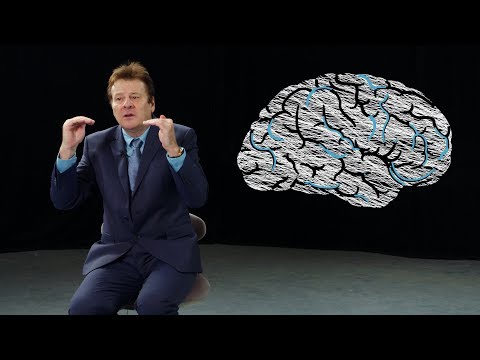
Hey, you! Have you ever felt like your brain is just running a million miles a minute? Like, seriously, one minute you’re focused on that email, and the next you’re daydreaming about what’s for dinner? You’re not alone.
Adult ADHD can be sneaky. It’s not just about being hyperactive or unable to sit still. It’s more complex than that. Sometimes, it shows up as being forgetful or losing track of time. Sound familiar?
Yeah, it can be frustrating. You might even wonder if there’s more to it. Spoiler alert: there probably is! Let’s chat about those key signs and symptoms that can help you make sense of what’s going on in your head. Sound good?
Identifying Untreated ADHD in Adults: Key Signs You Shouldn’t Ignore
So, you might be wondering about ADHD, right? It’s not just a kid thing. Adults can have it too, and often, it goes untreated. Recognizing the signs is super important because many people don’t even realize they have it. Here are some key signs you shouldn’t ignore.
Inattention is one biggie. You might find yourself consistently losing focus during tasks or conversations. It’s like your mind drifts off to another planet while someone’s talking to you, and you think, “Wait, what did they just say?”
Forgetfulness can also be a huge red flag. Maybe you constantly misplace your keys or forget appointments? Seriously, if you’re often wondering where that pesky little thing went again, that could be a sign of ADHD. I remember a friend who lost his wallet almost daily!
Then there’s impulsivity. You know that feeling when you’re in line at the grocery store and suddenly feel the urge to buy every candy bar in sight? That instinctual “I want it now!” feeling can point to ADHD too.
Another sign is hyperactivity. While adults may not bounce off walls like kids do, do you find yourself feeling restless? Maybe tapping your foot or feeling an urge to get up during long meetings? That constant need for movement might be more than just your coffee kicking in.
Difficulty organizing tasks is something people with ADHD often experience as well. Have you ever felt overwhelmed by simple chores? Like if sorting out your desk feels like climbing Mount Everest? If that rings true for you more than once in a while, pay attention.
Also worth noting is how emotions flip-flop. You might feel overly sensitive or frustrated by things that others brush off easily. Remember how my friend got mad after spilling coffee on himself? Sometimes those strong reactions are tied to untreated ADHD.
Lastly, if you’re often underachieving despite having potential, that could mean something’s up too. If friends say you’re smart but wonder why you’re not reaching those goals you’ve set—yeah, there’s usually an underlying issue at play here.
Look, recognizing these signs can make a world of difference in getting the support and understanding needed for adult ADHD. Trust me on this one—it’s okay to explore it further if any of this feels familiar!
Uncommon ADHD Symptoms in Adults: Recognizing the Hidden Signs
So, ADHD in adults, huh? It’s not just about being hyperactive or having trouble focusing. There are some sneaky symptoms that often get overlooked. If you’re wondering whether you or someone you know might be struggling with ADHD as an adult, let’s shine a light on some of those uncommon signs.
First off, emotional dysregulation can be a biggie. Many adults with ADHD find their emotions swinging wildly. You could be laughing one minute and then suddenly feeling overwhelmed by frustration or sadness the next. It’s like riding an emotional rollercoaster, and it can happen without much warning.
Another unusual sign is difficulty with organization. Now, this isn’t just about having a messy desk. It’s more about the struggle to keep tasks straight in your head. You might start projects but never finish them, leaving a trail of half-done work behind you. This can lead to feelings of shame or inadequacy when looking back at what you’ve accomplished—or haven’t.
Then there’s social challenges. Adults with ADHD often feel like they don’t fit in or struggle to follow conversations in groups. Maybe you’re thinking ahead while someone else is speaking and totally lose track of what they’re saying. It can feel pretty isolating, doesn’t it? Sometimes it leads to intense feelings of anxiety in social situations.
Another hidden symptom might be sensitivity to stimuli. You could find distractions everywhere: the ticking clock, people talking in another room… it all pulls your attention away like a moth to a flame! This heightened sensitivity means you might feel overwhelmed in settings that most people navigate easily.
Also worth noting is the tendency toward procrastination. Sure, we all procrastinate sometimes—who doesn’t love putting off chores? But for adults with ADHD, it can become a way of life. Tasks may seem insurmountable, and getting started feels harder than climbing Everest!
And let’s not forget about time management issues. There’s often this feeling that time slips away too quickly or drags on forever—but either way, planning and meeting deadlines can be really tough. You could end up constantly late or miss important appointments without even realizing how late you’d gotten until it’s too late.
Lastly, many adults with ADHD experience restlessness, which isn’t always about physical hyperactivity. Instead, it’s more like an internal restlessness—like trying to settle your mind for the night but being stuck on thoughts racing around like bumper cars.
Recognizing these hidden signs is so important because it opens up a conversation for help and support. If any of this resonates with you or someone you care about, maybe it’s time to chat with a professional who understands ADHD symptoms better than anyone else out there!
Being aware and equipped with this knowledge helps not only individuals but also friends and family support them better!
Understanding Adult ADHD: Key Symptoms to Identify in Men
So, let’s talk about Adult ADHD. It’s not just a kid’s thing; many people don’t know that it can carry over into adulthood. You might be wondering why this matters. Well, understanding the symptoms can change how you see yourself or someone you care about.
Here are some of the key symptoms you should keep an eye out for:
- Distractibility: It’s like a friend messaging you during a meeting and then suddenly, poof! Your focus is gone. Men with ADHD often find it hard to stay locked in on tasks.
- Impulsivity: This can show up as making quick decisions without thinking them through. Ever bought something big on a whim? That might be a sign!
- Trouble organizing: Forgetting where you left your car keys, or missing deadlines at work? Yeah, that can also be related to ADHD. It’s like juggling but dropping all the balls.
- Restlessness: You might feel like you’re always “on.” This often translates into difficulties sitting still or waiting for your turn in conversations.
- Poor time management: Being late frequently and having trouble estimating how long things will take is pretty common. Planning ahead may feel more like shooting arrows in the dark.
You know, I once met this guy named Tom at a social event. He was super charming but couldn’t seem to stick to one topic. He would start sharing this incredible story about his job but halfway through, he’d jump to something totally different, leaving me wondering what just happened! Later on, he mentioned that he had been diagnosed with ADHD as an adult and suddenly everything clicked for me.
A lot of times, people think these symptoms are just personality quirks or signs of laziness. But it can be much deeper than that—affecting relationships and career paths. Men with ADHD sometimes feel misunderstood or frustrated because they try really hard but struggle with organization and focus.
If any of this sounds familiar—not just for you but maybe for someone you know—it could be worth looking into further. Seeking help from professionals who understand adult ADHD can make a world of difference.
The important thing here is recognizing these signs early on so that men (or anyone really) don’t have to navigate life feeling like they’re constantly swimming upstream without knowing why.
You see? Knowing these symptoms isn’t about putting labels on people; it’s about understanding what they might be going through every day—sometimes in silence. And honestly, that understanding could lead to better support and healthier relationships.
You know, adult ADHD is one of those things that often flies under the radar. People think of it as a childhood thing, and while it starts young, it doesn’t just disappear when you hit adulthood. A friend of mine, let’s call him Mike, was always a bit all over the place—like losing his keys every other day and forgetting to pay bills on time. We laughed about it, not realizing there was more going on.
So, recognizing adult ADHD can be tricky. You might notice that your thoughts are like a pinball machine—bouncing around with difficulty focusing on one thing for too long. It’s like when you’re trying to read a book but your mind keeps wandering off to what you need to buy at the grocery store or that weird dream you had last night. It’s super frustrating!
Disorganization is another biggie! If your workspace looks like a tornado just hit it or your plans often clash because you forgot about them, well, that might be telling you something. Mike once missed an important meeting because he got caught up in organizing his desk—and we all know how easy that is!
Then there’s impulsivity. Maybe you’re quick to jump into conversations or make decisions without really thinking them through? I remember Mike would often say stuff without filtering it first—sometimes funny but other times… yikes! It can strain friendships if you’re not careful.
And let’s not forget about emotional regulation—or rather the lack thereof! Adults with ADHD might find themselves having mood swings or feeling easily overwhelmed by stressors, even if they seem minor to others. I saw this side of Mike too; he would spiral over little things and later feel like he overreacted.
So if any of this sounds familiar—a bit of chaos in thought processes, constant forgetfulness, impulsive decisions—then maybe it’s worth looking into. Recognizing these signs isn’t about labeling yourself; it’s more about understanding why life feels a bit harder sometimes than it should be.
Just remember, you’re not alone in this! There are ways to manage symptoms and cope better with daily life—whether through therapy or some other strategies tailored to your needs. So don’t be afraid to reach out for support; sometimes just talking about it makes all the difference!