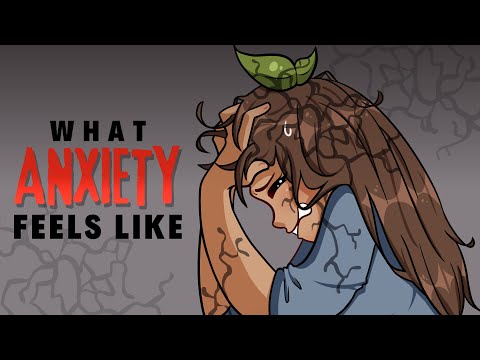
You know that feeling when your heart starts racing, and you can’t catch your breath? Yeah, that. It’s like your body hits the panic button outta nowhere.
Anxiety attacks can sneak up on you during the most random moments—like when you’re at work, hanging with friends, or just chilling at home.
And let’s be real: they can be super unsettling. It’s tough to know what’s happening or what to do about it, right?
But don’t worry! Recognizing those signs is the first step in managing it. I mean, who wouldn’t want to feel a little more in control? Let’s chat about what to look out for in daily life.
Recognizing the Signs: How Anxiety Manifests in Daily Life
Anxiety can be sneaky. One minute, you’re just going about your day, and the next, you might feel a wave of panic hit you like a truck. Seriously, it’s wild. Let’s break down how anxiety manifests in daily life so you can spot those signs before they spiral out of control.
First off, **physical symptoms** can be a major giveaway. You might notice things like:
- Rapid heartbeat: Ever felt your heart racing for no apparent reason? That’s your body saying it’s on high alert.
- Shortness of breath: It’s like someone suddenly took away your air supply. Your brain is telling you to freak out, even if there’s nothing to fear.
- Tightness in the chest: This one can feel a bit scary since it could remind you of something more serious, but it often comes with anxiety.
When my friend Jess was going through a tough time at work, she’d often complain about feeling like she couldn’t breathe before big meetings. These physical responses can catch you off guard.
Then there are those **emotional symptoms** that pop up and play tricks on your mind:
- Restlessness: It’s hard to sit still when anxiety kicks in. You might feel as if your skin is crawling or that you’re losing your mind.
- Irritability: Little things that never bothered you could start to get under your skin. Like that co-worker who chews their pencil—ugh!
- Constant worry: If you’ve ever found yourself spiraling into “what-if” scenarios over trivial things—like forgetting an email—yep, that’s anxiety at work.
Jess told me about how she snapped at her boyfriend over dishes piling up in the sink during her anxious episodes. She didn’t mean to—it just happened.
And let’s not forget about **behavioral changes** because of anxiety:
- Avoidance: You know those events or situations you suddenly start dodging? Going out with friends or meeting new people might become daunting.
- Pacing or fidgeting: Tapping your foot or biting your nails can be signs of nervous energy trying to escape.
- Napping or withdrawing: Feeling overwhelmed may lead to shutting down completely and isolating yourself from others.
For Jess, avoiding social gatherings became her go-to move when she felt anxious; she’d rather binge-watch her favorite shows alone than face crowded places.
Finally, there are **cognitive signs** too:
- Difficulties concentrating:You might find it hard to focus on tasks because your mind keeps wandering toward worries instead.
- Pessimistic thoughts:The “sky is falling” mentality can set in super easily when you’re dealing with anxiety—everything feels heavy and dark.
- If-then thinking:You start connecting all sorts of dots: If I’m late, then my boss will be mad; if I get mad first, I’ll show them I’m not weak!
Sometimes this makes it really hard for people like Jess to finish projects at work or even follow a simple conversation.
So yeah—there’s a lot going on under the surface with anxiety. Recognizing these signs is *super* important because it helps you take action before things get overwhelming. If any of this resonates with you—or reminds you of someone else—it might be worthwhile to chat about it with someone who gets it!
Recognizing Anxiety Attacks: Key Signs and How to Identify Them
Anxiety attacks can feel like a thunderstorm crashing into your life, often when you least expect it. It’s wild how something that starts in your mind can take over your body in a matter of moments. Recognizing those **key signs** can be crucial for getting through them and regaining a sense of control. So, let’s break this down together.
Physical Symptoms are usually the most noticeable indicators. You might feel your heart racing like you just ran a marathon, even if you’re just sitting there. Sweating, shaking, or feeling lightheaded are all part of the package too. You could also experience chest pain or tightness—you know that feeling where you think you’re having a heart issue? It’s pretty common during an anxiety attack.
Cognitive Symptoms come next. Your thoughts might start racing. Like, one minute you’re thinking about dinner plans, and the next you’re spiraling into worries about what happens if you forget to pay a bill. Feelings of impending doom can take hold, making everything seem way worse than it actually is.
Then there’s this thing called derealization. It’s when everything feels surreal or foggy—like you’re watching your life on a movie screen instead of living it. That weird sense of detachment makes it hard to focus on what’s right in front of you.
Behavioral Signs are also telling. You might find yourself avoiding situations that trigger these panic feelings—a party, an important meeting at work—anything that feels overwhelming. Maybe you’ve noticed your friend always bails on plans last minute because they can’t handle the pressure? That’s likely linked to anxiety.
Now, while recognizing these symptoms is super important, understanding how they show up in daily life is equally crucial:
- Panic Attacks: These often manifest with sudden feelings of terror without any clear trigger.
- Tightness in the Chest: Many people report this when they’re hit with anxiety.
- Nausea or Stomach Issues: Those butterflies can turn into something much more uncomfortable during an attack.
- Sweating Uncontrollably: Even if it’s not hot outside!
- Dizziness: Sometimes you’ll feel like you’re about to faint.
Let me share something personal here: I remember being at a crowded concert once and suddenly feeling that rush of panic—the room spun and breathing became an effort as I clutched my chest like I was in some dramatic movie scene. It was scary! Once I learned those were my signs for an anxiety attack, I felt more prepared for next time.
If you’ve been experiencing any combination of these signs regularly, well—it might be time to check in with someone who gets it—like a therapist or counselor who specializes in anxiety disorders. Seriously though; knowing is half the battle! Recognizing these attacks not only helps you cope but also opens doors to strategies for managing them better over time.
So yeah, just being aware can make all the difference on those tough days when anxiety decides to crash the party uninvited!
Recognizing Anxiety Attack Symptoms: A Comprehensive Guide to Understanding Your Experience
Anxiety attacks can hit you outta nowhere, and they can feel pretty intense. You might be sitting down one moment, maybe at work or hanging out with friends, and then suddenly your heart races. Like, what’s going on? Recognizing the signs is super important so you can deal with it better in the future.
Physical Symptoms are often the first red flags. Your body goes into fight-or-flight mode, and that’s when stuff gets real. You might notice:
These sensations can be scary, especially if you’re not sure what’s happening. I remember a friend who was enjoying a movie when suddenly her heart started racing. She thought she might be having a heart attack! But no—it was an anxiety attack.
Mental Symptoms also play a huge role. It’s like your mind starts going haywire. You might feel:
When those racing thoughts kick in, it can feel like you’re trapped in your own head. Trust me; you’re not alone if you’ve ever felt that way.
Then there’s the emotional aspect. It’s kind of a rollercoaster ride:
You know, sometimes my friend would freak out over small things like talking to cashiers or making phone calls—totally understandable when anxiety strikes.
Timing and Triggers are also key to understanding anxiety attacks. Some people have them unexpectedly while others notice patterns—maybe they always happen during big life changes or stressful times.
Recognizing these symptoms isn’t just about knowing; it’s about figuring out how to manage them too. When you start noticing these signs early on, you can practice some grounding techniques or coping strategies before things spiral out of control.
If this sounds familiar or you realize you’ve been experiencing several of these symptoms regularly, talking to someone—like a mental health professional—can really help guide you through understanding what’s triggering it all.
So yeah, being aware is half the battle! Keep an eye on those feelings and know that there’s help out there when things get tough. Reach out when you’re ready because you’ve totally got this!
You know, anxiety attacks can sneak up on you. One minute, you’re just chilling, and the next, your heart is racing like you just ran a marathon. It’s kind of crazy how our bodies can react that way. I remember a time when I was hanging out with friends, laughing and joking around. All of a sudden, I felt this intense pressure in my chest and started sweating like I’d just stepped into a sauna. It was so confusing—why was I feeling this way when everything seemed fine?
So, recognizing the signs in daily life can really help you get ahead of it before it spirals out of control. There are those physical symptoms that practically scream “anxiety,” like rapid heartbeat or feeling dizzy. You might also feel tightness in your throat or have this overwhelming urge to escape whatever situation you’re in.
And then there’s the mental stuff—racing thoughts that won’t chill out, feeling restless or on edge for no good reason. Sometimes it feels like your brain is throwing every worst-case scenario at you all at once. You might even notice that little voice saying stuff like “What if?” or “I can’t handle this.” That’s some serious turbulence going on in your head.
Seriously though, being aware of these signs makes such a huge difference. If you catch yourself feeling uneasy and recognize those sneaky signs early enough, you can work on tools to bring yourself back down to earth—like taking deep breaths or stepping away for a moment to collect your thoughts.
It’s not always easy to spot these attacks since they don’t come with flashing lights or alarms, but paying attention to how your body reacts and how your mind races can be super helpful. Remembering that it’s okay to feel this way is also important; you’re not alone in it.
So yeah, if you ever feel those symptoms creeping up on you during an ordinary day, take a second for yourself and ease into something that grounds you again—you deserve it!