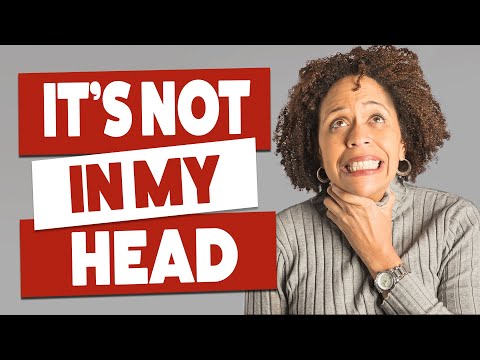
So, anxiety, huh? It’s like that uninvited guest who just won’t leave the party. You know the one I’m talking about? The feelings can get really intense, and sometimes it’s hard to even tell what’s going on in your own head.
You might feel a bit jittery or get that tight knot in your stomach. But it can go way deeper than that. There are some serious signs that pop up when anxiety takes over.
Understanding these signs can really help you grab back some control over your life. You don’t have to feel stuck in that anxious loop forever! Let’s chat about what to look for so you can spot when things are getting a little out of hand.
10 Effective Techniques to Reduce Anxiety Instantly
Well, anxiety can really throw a wrench in your day, right? Whether it sneaks up on you or crashes in like a party crasher, knowing how to deal with it on the spot is super helpful. If you’re feeling those butterflies in your stomach or your heart’s racing like it just saw a ghost, here are some techniques that might help calm things down real quick.
- Deep Breathing: Seriously, this one’s gold. Taking slow, deep breaths can lower your heart rate and chill you out. Try inhaling deeply for four counts, holding for four counts, then exhaling for six counts. It’s like giving your body a mini vacation.
- Grounding Techniques: This helps you stay present when anxiety hits hard. Focus on your surroundings—what do you see, hear, smell? This brings you back to reality and can stop that spiraling feeling.
- Progressive Muscle Relaxation: Tensing and then relaxing muscle groups can ease physical tension caused by anxiety. Start at your toes and work up to your head—tense each group for five seconds before letting go. You’ll feel lighter!
- Aromatherapy: Certain scents can have calming effects; lavender and chamomile are classics. A little essential oil or scented candle can change the vibe of any space.
- Meditation: Even if you’re not experienced with it, just sitting quietly for a few minutes with your eyes closed can work wonders. Focus on your breath or say a calming phrase quietly to yourself—it’s all about finding that inner peace.
- Cognitive Restructuring: This is basically challenging those negative thoughts that spike anxiety. When you catch yourself thinking «I can’t handle this,» try flipping it to «I’ve gotten through tough things before.» It’s about reframing; you’re the boss of your thoughts!
- Movement: Exercise is a fantastic release for built-up tension and stress hormones. Even a short walk or some gentle stretching can help clear that anxious fog from your mind.
- Visualization: Picture yourself in a calm place—a beach, a quiet forest, whatever chills you out! This mental escape creates feelings of relaxation almost instantly.
- Talk It Out: Sometimes sharing what you’re feeling with a friend or family member really helps lighten the load. Letting someone in on how anxious you’re feeling works wonders.
- Laughter: Seriously! Finding something funny—a meme or a hilarious video—can shift your mood faster than anything else. Just let loose and laugh; it’s like an instant mood booster!
Now look, these techniques can be super effective during those moments when anxiety decides to crash the party uninvited. For example, I remember this one time I was waiting for an interview and my hands were practically shaking from nerves. I took some deep breaths and focused on my feet touching the ground; it helped me feel more stable!
So yeah, keep these tricks in mind next time you’re feeling overwhelmed by anxiety—the key is finding what works best for you personally!
Uncovering the Strange Physical Symptoms of Anxiety: What Your Body Might Be Telling You
Anxiety can really mess with you, right? You might think it’s just all in your head, but your body gets in on the action too. It’s like a full-on team effort between your mind and body, sending out signals that something’s not quite right. Here’s the scoop on those strange physical symptoms you might experience when anxiety comes knocking.
Racing Heartbeat: One of the first things people notice is their heart racing or pounding like there’s a drumline inside their chest. This can feel super intense and may make you worry you’re having a heart attack. But honestly, it’s just your body reacting to stress like you’re about to fight a bear or something!
Shortness of Breath: Ever felt like you can’t catch your breath? Yeah, that can happen when you’re anxious. It feels like someone’s squeezing your chest. It’s your body’s way of ramping up for action, even if there’s no bear around.
Muscle Tension: You know that tight feeling in your shoulders or back? That’s muscle tension talking! Anxiety causes muscles to tense up without you even realizing it. You might find yourself clenching your jaw, too. That can lead to headaches if it goes on long enough.
Shaking or Trembling: When anxiety spikes, some people start shaking—like they just downed five cups of coffee. Sometimes it shows up as twitching fingers or legs that just won’t stop bouncing.
Nausea or Stomach Issues: Ever get butterflies in your stomach before a big event? Well, anxiety can crank that feeling up to eleven! Nausea and digestive problems often tag along when feelings get overwhelming.
Sweating: Your palms are sweaty? Welcome to anxiety! You might even find yourself sweating for no apparent reason. This is basically your body preparing for “fight or flight.”
It’s no joke—anxiety takes over both the mind and body in ways that feel downright weird sometimes. And sometimes these symptoms pop up without any clear trigger; they just sneak up on you outta nowhere! So if you’re feeling off and can’t pin it down, give a little thought to whether anxiety might be the culprit.
If any of this sounds familiar and is impacting your life significantly, consider talking with someone who gets it—a therapist or doctor could really help sort things out! Your well-being matters so much; don’t ignore those vibes from your body!
Understanding the Symptoms of an Anxiety Attack: Key Signs to Recognize
Anxiety attacks can be pretty scary, and if you’re feeling like your heart is racing or you can’t catch your breath, it’s important to know you’re not alone. Recognizing the signs of an anxiety attack can help you or someone else get through it a little easier. Let’s break down some key symptoms that might pop up during one of these episodes.
Physical Symptoms
When an anxiety attack hits, your body can go into overdrive. You might feel:
- Racing Heart: It’s like your heart is trying to win a race. It’s fast, strong, and can feel super uncomfortable.
- Shortness of Breath: You may feel like you can’t breathe properly or that you’re gasping for air.
- Dizziness: Sometimes it feels like the world is spinning or that you could faint.
- Tightness in the Chest: It might seem like there’s a heavy weight pressing down on your chest.
I remember a friend who said she was sure she was having a heart attack when her anxiety hit hard during an important presentation. It turned out to just be an anxiety attack, but wow, those physical sensations felt real!
Mental Symptoms
Your mind isn’t immune either; there are some intense thoughts that come with anxiety attacks:
- Fear of Losing Control: You might think you’re losing grip on what’s happening around you.
- Derealization: This is when things start to feel unreal or distant; like you’re watching yourself from far away.
- Panic: An overwhelming sense of dread could wash over you without any warning.
Just last week, another friend shared how he thought he was going crazy because everything felt so disorienting during an episode. That feeling of being lost in yourself? It’s more common than people realize.
Bodily Changes
Besides the obvious physical symptoms, your body reacts in really unique ways too:
- Sweating: Sweating bullets isn’t just for hot weather; during an anxiety attack, it feels like every droplet counts!
- Trembling or Shaking: You might find yourself literally shaking—like when you’re really cold but inside it’s panic making those muscles twitch.
- Nausea or Stomach Issues: The butterflies in your stomach can turn into something way worse—you may even feel nauseous or have cramps.
One time, I saw someone at a coffee shop have such an intense reaction they had to leave suddenly. Turns out they had been feeling ill before the panic set in!
Coping Strategies
If you’re experiencing these symptoms regularly, it’s worth talking to someone about them because they can really mess with daily life. Finding ways to cope—like practicing deep breathing techniques—can help calm those nerves and make anxious moments more manageable.
Anxiety attacks aren’t easy to deal with and recognizing what they look like is a big step toward getting help and feeling better again. So if you’re noticing these signs in yourself or someone else? It’s okay to reach out for support—it matters!
You know, anxiety is like that friend who shows up uninvited and just doesn’t know when to leave. It can creep in quietly, at first, and then before you know it, it’s throwing a party in your head—complete with racing thoughts and that tight feeling in your chest. Recognizing severe anxiety is super important for taking care of your mental health.
Imagine this: You’re sitting at home, trying to chill out, but then suddenly there’s this overwhelming sense of dread. Your heart starts pounding like you just ran a marathon, and you can’t focus on anything. Maybe your muscles tense up so much it feels like a rubber band about to snap. That’s the kind of stuff we need to pay attention to.
There are physical signs too. Like excessive sweating or feeling restless? Or maybe you’re finding yourself avoiding places or situations because they stress you out way too much. It’s not just being a little worried sometimes; it’s that constant state of unease that hangs around.
And let’s not forget about how anxiety can mess with sleep. You might lay awake at night, replaying every awkward thing you’ve ever said—ugh! Your mind just doesn’t stop! Recognizing these things can be really tough because they sneak up on you over time.
So yeah, if you’re noticing any major changes in how you’re feeling or acting—like irritability, trouble concentrating, or even having panic attacks—that’s your body sending an SOS signal. It says “Hey! Something’s off here!” Listening to those signals is key for getting the right help.
Being aware of those signs doesn’t mean you’re weak or can’t handle things; it’s actually a strong move toward better mental health. Think of it as tuning into your own emotional radio station before the signal gets all fuzzy and static-filled. Reaching out for support or talking about how you’re feeling can make all the difference in breaking that cycle.
In the end, recognizing severe anxiety isn’t just about labeling feelings—it’s about giving yourself permission to take care of what you’re going through. And trust me, life feels a whole lot lighter when you do!