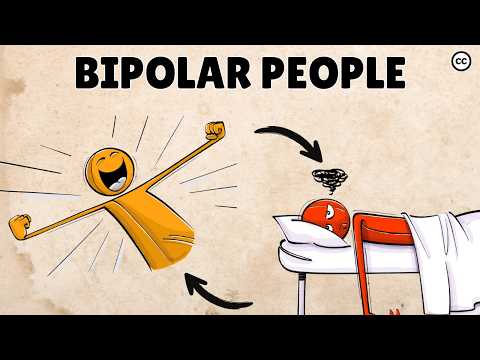
You know, sometimes life throws us for a loop, right? One minute you’re riding high, and the next you feel like you’re in a deep hole. If you’ve ever felt that way—or know someone who has—you might be stumbling across bipolar depression.
So, let’s chat about this. Bipolar depression hits differently in guys. It can be a wild mix of emotions that might look a bit different than what you’d expect.
Maybe it’s that friend who seems the life of the party one day and then barely texts back the next. It’s confusing, for sure.
Understanding these symptoms is super important. It helps with recognizing what’s really going on beneath the surface—and could lead to better support for yourself or someone you care about.
Understanding Bipolar Depression in Men: Signs, Symptoms, and Impact
Bipolar depression can be pretty tough to understand, especially when it comes to how it shows up in men. So, let’s break it down together.
First off, what is bipolar depression? Well, it’s part of a broader condition called bipolar disorder, where people experience extreme mood swings. This means you might feel high-energy and super happy (that’s called mania) or drop into a deep funk (depression). For men, the signs of bipolar depression can be a bit different than what you might see in women.
Signs and Symptoms
Here are some common symptoms that might pop up:
- Low energy: Feeling tired all the time? Yeah, that can hit hard.
- Sadness: A sense of emptiness or hopelessness can really take over.
- Irritability: You might find yourself snapping at friends or family for no good reason.
- Loss of interest: Things you once loved seem dull and boring.
- Difficulty concentrating: Focusing on tasks gets tough—like trying to swim upstream.
One friend of mine went through this. He was a big sports fan but suddenly lost interest in watching games or even playing with his buddies. It was hard for him, not just because he loved those things but also because it felt like a part of him was fading away.
The Impact on Life
When you’re dealing with bipolar depression, it doesn’t just affect your emotions; it has real-life consequences too. For men, this can mean:
- Work problems: Missing deadlines or having conflict with coworkers becomes more common.
- Poor relationships: Friends or family may struggle to understand what’s happening.
- Poor health choices: You might slide into unhealthy habits like overeating or substance abuse.
Let me tell ya about another guy I know. He was always the life of the party until one day he realized he hadn’t hung out with friends in months. The stress from work piled up, making him push everyone away without even realizing it.
Coping Strategies
If you or someone you know is battling these feelings, there are ways to cope:
- Therapy: Talking things out with someone who gets it makes a world of difference.
- Mood tracking: Keeping an eye on your feelings and triggers can help you spot patterns.
- A support network: Building connections with friends or support groups helps remind you that you’re not alone in this fight.
So yeah, understanding bipolar depression in men isn’t just about knowing the symptoms; it’s also about recognizing the bigger picture—the emotional rollercoaster that comes with it and how it affects life overall. Remember: if someone seems off—like they’re withdrawing from everything they used to love—it’s always worth checking in and having an open conversation.
Effective Strategies to Overcome a Bipolar Depressive Episode
Bipolar depression can hit pretty hard, and when you’re in the middle of an episode, it can feel like a heavy fog just won’t lift. Recognizing those symptoms is the first step, especially if you’re a guy who might brush things off or hide what you’re feeling. You know, having mood swings is one thing, but struggling with that deep sense of sadness or hopelessness can be a whole different ball game.
So, how do you tackle this when it feels all-consuming? Here are some effective strategies to help you find your way back to brighter days:
- Stay Connected: Isolation can amplify those heavy feelings. It’s super important to reach out to friends or family. Share what you’re going through; you’d be amazed at how talking it out helps.
- Create a Routine: When everything feels chaotic, establishing a daily routine can bring some structure. Try waking up at the same time every day or sticking to regular meal times. It gives your brain some predictability during rough patches.
- Practice Mindfulness: This might sound all zen-like, but seriously, just taking a few moments each day to focus on your breath or meditate can ground you. It’s about being present and letting go of racing thoughts.
- Engage in Physical Activity: Getting moving—even if it’s just a walk around the block—can help release endorphins. Those little guys are natural mood lifters! Don’t underestimate the power of some fresh air.
- Limit Alcohol and Drugs: I get it; sometimes people think substances help numb feelings. But they often make things worse in the long run, throwing off your mood even more.
- Seek Professional Help: Seriously consider reaching out to a therapist or psychiatrist who understands bipolar disorder. They can offer tailored strategies and support that’s just for you.
- Medication Management: If you’re prescribed medication, don’t skip doses! Talk with your doctor about any concerns. Finding the right med combo takes time but is so worth it in balancing those ups and downs.
Let me share something personal for a sec: I had this friend who went through hell with bipolar depression. During one of his toughest episodes, he felt completely trapped inside his mind. But he started going for jogs every morning—a simple change that surprisingly helped him find clarity and breathe through the darkness instead of fighting against it.
The thing is: battling bipolar depression doesn’t have to be done alone or in silence. Each small step counts; whether it’s chatting with someone you trust over coffee or hitting that workout class you’ve been putting off—every effort adds up.
Don’t forget that healing isn’t linear! Some days will still feel overwhelming, but with these strategies close by and support from others—there’s always hope on the horizon!
Understanding Bipolar Depression: Symptoms, Causes, and Treatment Options
Bipolar depression can be a super tricky thing to wrap your head around. It’s not just about feeling down sometimes; it comes with a whole mix of ups and downs, which makes it really complicated. So, let’s break it down into bite-sized chunks.
What is Bipolar Depression?
Bipolar depression is one part of bipolar disorder, which swings between high and low moods. When someone is in the “depressive” phase, they might feel extremely low or hopeless. This isn’t just the blues—it can really screw with daily life.
Symptoms to Look Out For
Recognizing bipolar depression in men can be especially challenging since societal norms often push them to hide their feelings. Here are some signs that might pop up:
- Persistent Sadness: Feeling sad or empty for long periods.
- Lack of Interest: Losing interest in activities you once enjoyed—like sports or hobbies.
- Fatigue: Extreme tiredness that just won’t go away.
- Irritability: Getting easily annoyed or angry over little things.
- Cognitive Issues: Difficulty concentrating or making decisions.
Now, these symptoms can sometimes look like other problems too; that’s why getting a proper diagnosis is super important.
Causes—What’s Going On Here?
The causes of bipolar depression aren’t totally nailed down yet, but researchers think it could be a mix of genetics and environmental factors. If someone in your family has it, your chances go up—so yeah, family history matters! Plus, stressful life events might trigger episodes too.
Let me tell you about my buddy Tom. He always seemed upbeat but would crash into dark moods after tough weeks at work. At first, he thought he was just burnt out—but he realized there was more bubbling under the surface.
Treatment Options: Time to Get Help
The good news is there are ways to tackle bipolar depression! Treatment often combines therapy and medication.
- Therapy: Something like cognitive behavioral therapy (CBT) can help change negative thought patterns
- Medications: Mood stabilizers and sometimes antidepressants are prescribed—but they need to be monitored closely.
- Lifestyle Changes: Regular exercise and healthy sleep habits make a big difference too!
It’s vital to work with a doctor who understands this kind of disorder because finding the right balance can take time.
In short, if you’re dealing with symptoms like those I mentioned—or you know someone who might be—don’t sit on it. Talking about mental health isn’t weak; it’s actually powerful! Getting diagnosed and treated early on makes everything easier—trust me on that one.
Bipolar depression can be a tricky thing to spot, especially in men. You know how guys sometimes feel like they have to put on a brave face, right? It’s like there’s this unspoken rule that says, “Don’t show weakness.” So, many men might not even recognize or admit they’re struggling with their mental health.
Imagine your buddy Jake. On the outside, he seems fine—cracking jokes, hitting the gym, living life to the fullest. But then suddenly, he goes silent. He stops hanging out and cancels plans last minute. You might think he’s just busy or maybe going through a phase. The thing is, during those dark periods of bipolar depression, men can feel heavy feelings of hopelessness or worthlessness that are hard to shake off. It’s not just sadness—it’s like everything feels gray and pointless.
And here’s another layer: men often exhibit different symptoms compared to women. While you might expect someone to be sad and withdrawn during depressive episodes, guys can act out in ways you wouldn’t expect—irritability and anger can become their go-to responses instead of tears or being withdrawn. They could become more reckless too—doing risky things that seem out of character.
It’s kind of like when your favorite sports team is losing badly. At first, you’re frustrated; you scream at the TV and throw your remote around (you know it happens!). But after enough losses, it feels heavier—it gets harder to care at all. That heavier feeling is what bipolar depression can feel like for some men when they hit those low points.
So if you’re concerned about someone—or maybe yourself—it helps to know the signs: lack of energy, difficulty concentrating, changes in sleep patterns—either sleeping way too much or hardly at all—and withdrawing from social circles that usually bring joy. Just remember: recognizing these symptoms is a start but reaching out for help is key.
Talking about feelings isn’t easy for many guys; it takes courage. But seriously? There’s strength in owning what you’re going through and finding support where you need it most. Everyone deserves a break from carrying heavy loads alone—even guys like Jake who seem tough as nails on the outside!