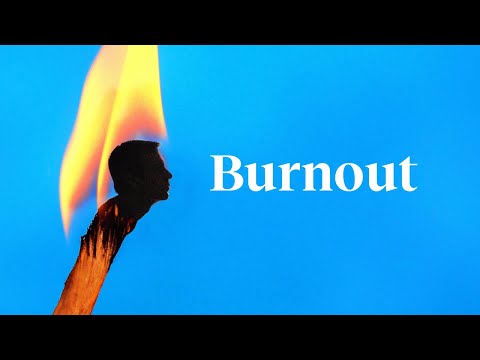
Burnout and depression. They can feel like these heavy clouds just hanging over you, right? You wake up, and everything seems dull.
You might be wondering, what’s going on? Is it stress? Am I just tired? Or is it something more serious?
Honestly, it can be tough to tell sometimes. But recognizing the signs is super important.
Think about that moment when you’re running on empty—like, really low on energy—and everything feels overwhelming. It’s kind of a bummer.
So let’s chat about those sneaky signs that could mean you’re dealing with burnout or creeping depression. Because you know what? It matters more than we often think.
Recognizing Burnout: Key Symptoms and Insights from Psychology
Burnout is one of those things that creeps up on you, you know? It starts with feeling overwhelmed and can lead to serious emotional and physical exhaustion. Basically, it’s like when your phone battery gets low but you keep using it without recharging. So, let’s take a closer look at some key symptoms of burnout and how psychology helps us understand this tricky situation.
Emotional Exhaustion is often the first big sign. You might feel drained or completely wiped out, even after a good night’s sleep. Think about those days when just getting out of bed feels like climbing a mountain. It’s not just tiredness; it’s that heavy feeling like there’s a weight on your chest.
Another symptom is Cynicism or Detachment. You might find yourself going through the motions but feeling indifferent about your work or relationships. It’s like someone turned down the color in your life—everything seems dull and frustrating. Maybe you catch yourself thinking, “What’s the point?” more often than you’d like to admit.
Then there are those physical signs, like chronic fatigue, headaches, or even stomach issues. Your body can start to protest against all that stress! It’s pretty wild how emotional strain can show up as actual pain or discomfort in your body. You might be dealing with tensions and aches that don’t seem to go away no matter how much you rest.
Psychologically speaking, burnout can also mess with your cognitive abilities. Forgetfulness becomes more pronounced, decision-making feels tougher than usual, and concentrating can turn into an uphill battle. Imagine trying to focus on a book while someone is blasting music in the background—it just doesn’t work well.
Now, let’s talk about reduced performance. Feeling less productive at work or school? Yeah, that’s burnout too! Tasks that once felt manageable start to seem overwhelming and frustrating instead.
You might notice changes in sleep patterns as well—either sleeping too much or not enough. When you’re burnt out, your mind races at night with worries while during the day it just screams for rest.
And here’s where it gets really important: recognizing these signs early can make a world of difference. When stress goes unchecked for too long, it can deepen into something more severe like depression. So being aware of these symptoms isn’t just good advice; it’s essential for keeping yourself healthy—physically and mentally.
To wrap it up, burnout isn’t just a buzzword or a phase people go through; it has real implications on our mental health and daily lives. If any of this sounds familiar—like if you’re nodding along—you might want to hit pause and reassess what’s going on in your life right now. It could save you from sliding down into deeper depression later on. Taking stock of your feelings isn’t just smart; it could be lifesaving!
Understanding Common Psychological Symptoms of Depression: A Comprehensive Guide
Depression, you know, it can sometimes creep up on you like a sneaky cat. One moment, everything feels okay, and the next, you’re in this gray fog that just won’t lift. It’s not just about feeling sad. There are a bunch of psychological symptoms that can show up when you’re dealing with it. Let’s break some of them down.
1. Persistent Sadness: This one’s pretty much the poster child for depression. You might feel an overwhelming sense of sadness or emptiness almost all the time. Imagine waking up and dreading the day ahead without really knowing why. That lingering heaviness can feel pretty dark.
2. Loss of Interest: Remember things you once loved doing? Well, with depression, those interests can take a backseat—sometimes totally disappear. It’s like your favorite song goes silent. Whether it’s hobbies, socializing with friends, or even binge-watching your go-to shows, suddenly nothing sounds appealing.
3. Fatigue: Feeling super tired all the time? It’s not just because you stayed up too late scrolling through your phone again! Depression can zap your energy levels in a big way. You might find yourself physically drained even after a full night’s sleep.
4. Changes in Sleep Patterns: Ever notice how some people will sleep too much while others can’t catch any z’s at all? Depression messes with your sleep cycle like that annoying neighbor who plays loud music at midnight. This inconsistency leaves you feeling groggy and out of sorts.
5. Difficulty Concentrating: Your brain might feel foggy or slow when you’re depressed—a real struggle when trying to focus on tasks or make decisions! Simple everyday choices might seem overwhelming—like what to eat for breakfast turning into an existential crisis!
6. Feelings of Worthlessness or Guilt: You may start beating yourself up over things that wouldn’t normally bother you—like forgetting to reply to an email quickly or missing a deadline at work—those feelings can haunt you and create this vicious cycle.
7. Irritability: When someone is dealing with depression, they can easily snap at friends and family over little stuff that shouldn’t even matter but does all of a sudden! It’s like there’s no emotional buffer left; everything feels more intense.
Burnout, which often gets mixed up with depression, comes from chronic stress usually related to work—or life pressures in general—and has some overlapping symptoms like exhaustion and irritability but tends to revolve more around feeling overwhelmed by responsibilities rather than the deep sadness associated with depression.
If any of this resonates with you or someone you care about—whether you’re feeling persistently low or seeing these signs in someone else—it might be worth stopping for a moment and thinking it through seriously because a good support system, therapy, or medication could really help turn things around.
The thing is: recognizing these signs early on can be super helpful in getting appropriate support faster rather than waiting until things spiral further down into that emotional pit we all try to avoid!
Effective Strategies for Overcoming Burnout: Comprehensive Treatment Approaches
Burnout, ugh, it’s like that heavy blanket you just can’t shake off. You know the feeling when you wake up and all you can think is, “Ugh, not again!” If you’re nodding along, then understanding effective strategies for overcoming burnout is really important. So let’s break this down.
First off, recognizing burnout is crucial. It often sneaks up on you because it feels more like just being tired or stressed out. But the signs are there if you look closely. You might feel exhausted all the time, lose interest in things that once excited you, or find yourself kind of emotionally flat. That’s no bueno.
1. Prioritize Self-Care
Self-care isn’t just a cute hashtag; it’s an absolute necessity. Start by making time for activities that recharge your batteries—think hobbies, exercise, or simple relaxation techniques like deep breathing or meditation. Remember when you used to enjoy going for walks? Try to pick that back up!
2. Set Boundaries
A lot of time, burnout comes from feeling overworked and underappreciated. And this can mean saying “no” sometimes! Whether it’s at work or in your personal life, set boundaries to protect your time and energy. Imagine saying no to that extra project at work—sounds scary but liberating too!
3. Seek Support
Don’t go through this alone! Talk to friends or family who get what you’re feeling; their support can make a world of difference! Sometimes even chatting with a therapist can help—a professional can give you tools tailored to your specific needs.
4. Change Your Environment
Sometimes all it takes is a change in scenery to snap things into perspective! If possible, switch up your workspace or take short breaks outside during the day to gather some fresh air and sunlight.
5. Reflect on Your Goals
Think about what truly matters to you and whether what you’re doing aligns with those values. Take some time—even just five minutes—to jot down what makes *you* feel fulfilled versus drained.
Incorporating these strategies won’t magically fix everything overnight; recovery from burnout takes time and patience! Just remember: it’s totally okay to ask for help along the way.
So next time you’re feeling overwhelmed by that pesky burnout blanket? Try tapping into these strategies and see how they shift things for you! It’s about small steps leading toward meaningful change—give yourself grace during this process; it definitely doesn’t have to be perfect right away!
You know, burnout and depression are pretty sneaky. They can creep up on you, like that friend who always shows up uninvited to the party. One moment you’re feeling okay, maybe a little tired, and then suddenly you realize—wow, I’m really not okay. That’s where recognizing the signs becomes super important.
Burnout often feels like you’re running on empty—like your gas tank is on “E” but you’ve still got a few miles to cover. You might notice this when you’re just not excited about things anymore. Remember those hobbies you used to love? Now they feel like chores. And let’s not even talk about that Sunday-night dread—when the thought of Monday sends your stomach into knots.
Then there’s depression, which can feel heavier than a bag of bricks. It’s that sense of hopelessness where everything just seems dimmer than usual. You might find yourself wanting to withdraw from friends or ignore calls because the idea of socializing seems exhausting. Seriously, it’s like climbing a mountain that gets steeper every time you try to summit.
A friend once told me about her struggle with both burnout and depression after a grueling year at work. She was doing all the things—working late nights, juggling family responsibilities—but one day she just hit a wall. It was the little things that started bothering her: dishes in the sink felt overwhelming, and simple tasks became monumental challenges. She recognized it wasn’t just fatigue; it was something deeper that needed attention.
In both cases, self-awareness is key—you’ve got to tune into what your body and mind are telling you. If sleep is eluding you or if you’re feeling persistently anxious and irritable—that’s worth paying attention to! And let’s not forget about physical symptoms; headaches or stomach issues can sneakily tie back to mental health struggles too.
So if this kind of resonates with what you’ve been feeling, maybe take a step back and check in with yourself? Sometimes it’s hard to admit we need help or even just some time off to reset. But trust me, recognizing these signs is the first step toward moving forward—so give yourself that grace!