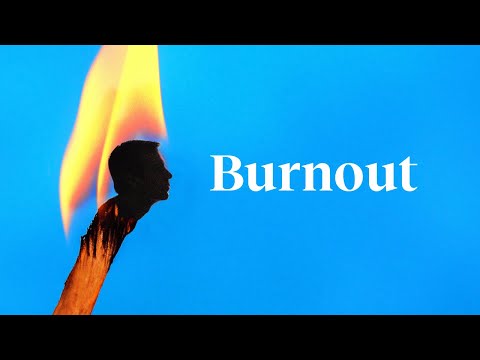
You know that feeling when you’re just running on empty? Like, you’re stretched so thin that even a small task feels huge. It’s exhausting, right?
Well, if you’re a caregiver—whether it’s for a family member or friend—you might be nodding along. You pour your heart and soul into looking after someone else, but sometimes, it can get overwhelming.
Caregiver burnout is real, and it sneaks up on you like a ninja in the night. Seriously! One moment, you’re fully invested; the next, you’re frazzled and irritable.
So let’s chat about spotting those signs before they hit hard. Because taking care of yourself isn’t just important—it’s essential!
Assess Your Well-Being: Take the Caregiver Burnout Quiz Today
Taking care of someone you love can be incredibly rewarding, but it can also lead to what’s known as caregiver burnout. It’s that feeling when you’re just exhausted and emotionally drained. The thing is, if you’re not careful, it can sneak up on you. You might feel overwhelmed, and honestly, like you’re losing yourself in the process.
So, what exactly is caregiver burnout? Well, it’s when the demands of caregiving start to take a toll on your physical and mental health. You may find yourself feeling irritable or withdrawn. Sometimes it can even impact your sleep or your appetite. Sounds familiar? If yes, then maybe it’s time to check in with yourself.
To help with this self-assessment, quizzes can be really useful. They offer questions that make you think about how well you’re doing. Here are a few things those quizzes might poke at:
- Emotional Exhaustion: Do you often feel drained by the end of the day?
- Physical Symptoms: Are you experiencing headaches or stomach issues more often?
- Social Withdrawal: Have you been skipping out on social activities or avoiding friends?
- Lack of Interest: Do things you once enjoyed now feel like chores?
These questions give you a snapshot of where you’re at mentally and emotionally. It’s like taking a little pulse check on your well-being.
Let’s say you’re caring for a parent who’s battling an illness. At first, it felt good to help them out—like it was meaningful work. But over time, if you’ve started to dread visits or find yourself counting down the minutes until you can leave…that’s a sign! Seriously.
Another thing to remember is that caregiver burnout doesn’t mean you’re bad at caring for others; it’s just that no one is immune to stress. On top of everything else going on in life, feeling this way is pretty common among caregivers.
You know what? It’s totally okay to ask for help too! Seriously—you don’t have to carry all this weight alone. Whether it’s talking with friends or finding local support groups for caregivers, reaching out is part of taking care of yourself.
If any of this sounds painfully familiar and you’re nodding along while reading—don’t ignore it! Checking in with a mental health professional could be beneficial too. They’ll have tools and strategies that are specifically designed to help manage stress and emotional fatigue.
Remember: taking care of yourself isn’t selfish; it’s necessary! When you’re feeling better, you’ll be in a much stronger position to support those who depend on you. So yeah, go ahead—take that quiz today! Your well-being matters just as much as those you’re there for.
Understanding the Stages of Caregiver Burnout: Recognizing and Managing Emotional Exhaustion
Being a caregiver can be an incredibly rewarding experience, but it can also lead to something called burnout. This is when you’re feeling totally drained and overwhelmed by the demands of caring for someone else. You might not even notice it’s happening at first, but understanding the stages of caregiver burnout is really important.
The first stage often begins with a sense of exhaustion. You may find yourself feeling tired all the time, even if you’ve had a good night’s sleep. It’s like, no matter how much you rest, you just can’t shake that heavy feeling. Remember when your friend asked you to grab lunch, and instead of getting excited, you found yourself saying “maybe next time”? That’s exhaustion talking.
Next up is what I’d call emotional depletion. This stage can feel like you’re running on empty emotionally. Little things that used to make you smile? Yeah, they probably don’t anymore. Maybe you snapped at someone over something trivial—like a spilled drink—and then felt guilty afterward. That’s not just tiredness; it’s deeper than that.
The third stage is where things get really tough: detachment. You might start pulling away from friends and family because being around people feels too exhausting. It’s almost like building a wall around yourself without realizing it. A friend of mine went through this after caring for his mom for years; he just shut everyone out because he couldn’t handle the thought of any extra emotional energy being spent.
Then there’s the final stage called crisis. At this point, burnout has reached its zenith. You might be struggling with feelings of hopelessness or even resentment toward the person you’re caring for. It’s like standing in front of a wall—you feel trapped and can’t see any way out. If you’re here, it’s crucial to seek support right away!
- Acknowledge your feelings: Recognizing that you’re burned out is the first step toward healing.
- Reach out for help: Talk to someone who gets it—a friend or even a therapist can be super helpful.
- Set boundaries: It’s okay to say no sometimes! Know your limits.
- Take breaks: Seriously! Even small breaks can make a world of difference in regaining your energy.
- Meditation or exercises: Just moving around or taking deep breaths can help reset your mind.
You know what? Caring for someone shows incredible strength and love—but it shouldn’t come at the cost of your mental health. Keep an eye on those signs and take care of *yourself* too!
Understanding Spouse Caregiver Burnout: Signs, Causes, and Effective Strategies for Relief
Spouse caregiver burnout is a real thing, and it can hit hard. If you’re caring for a partner who’s dealing with mental health challenges, the emotional toll can be exhausting. It’s like running a marathon every day without any rest. So let’s break this down into what to look for, why it happens, and how to take care of yourself.
First off, what are the signs of caregiver burnout? You might notice:
- Emotional exhaustion: Feeling drained or overwhelmed is common. It’s like your battery is dead.
- Increased frustration: Little things that never bothered you before might set you off.
- Physical symptoms: Headaches, stomach issues, or constant fatigue? Yup, those can be related.
- Social withdrawal: You may start avoiding friends or family because you feel too tired to engage.
- Loss of interest: Hobbies or activities that once brought joy might lose their shine.
So, why does this happen? Well, when you’re constantly caring for someone else’s needs—maybe they’re struggling with anxiety or depression—it can feel like there’s no time left for you. You’re giving all your energy away! Plus, if you don’t have enough support or breaks in place? That just adds to the stress.
Think about it: imagine spending hours every day comforting your partner through panic attacks while also juggling work and household chores. Over time, it builds up and suddenly you’re feeling resentful instead of loving. It goes from being a job of love to feeling like an obligation.
Now here’s the good part—how can you find relief?. There are some effective strategies that really help:
- Create boundaries: It’s essential to carve out time just for yourself. Even if it’s just thirty minutes a day to read or take a walk!
- Acknowledge your feelings: It’s okay to feel annoyed or exhausted. Recognizing those emotions is the first step towards managing them.
- Seek support: Don’t hesitate to lean on friends or family. Sometimes just talking about what you’re going through makes a world of difference.
- Pursue self-care: Take up relaxing activities like yoga or meditation. They help reset your mind and body!
- If necessary, consider respite care: This allows someone else to take over caregiving duties for a while so you can have a proper break.
And remember: a happy caregiver means better care for your partner!. When you take steps towards reducing burnout, both of you will benefit in the long run.
Taking care of your mental health isn’t selfish; it’s essential! Burnout doesn’t have to define your journey as a caregiver. You deserve love and care too—don’t forget that!
You know, being a caregiver is one of those roles that can feel incredibly rewarding but also utterly exhausting. A while back, I chatted with a friend who was caring for her elderly mother with dementia. At first, she was all in—so devoted and attentive. But over time, I noticed she started to pull away. She seemed tired all the time and rarely smiled. That’s when I began to wonder if maybe she was experiencing caregiver burnout.
So what exactly is caregiver burnout? Well, it’s kinda like when you’re running on empty but still pushing yourself to go that extra mile. It creeps up on you, often without warning. You might feel overwhelmed by the tasks at hand or constantly anxious about what’s next. Even small things start to feel like mountains, you know? And it’s not just physical exhaustion; there’s emotional fatigue too.
A big sign of burnout is becoming really irritable or short-tempered. My friend started snapping at her mom for asking the same question several times a day—something she’d never done before. It broke my heart to see someone so loving become frustrated and withdrawn.
Isolation can also be a major red flag. Caregivers often put their needs last and wind up feeling lonely in their struggles because they think no one else can relate. When my friend stopped reaching out to others for help or just to chat, I knew something was off.
And then there’s that whole sense of hopelessness that sneaks in as well. You might start feeling like nothing you do makes a difference or that you’re just stuck in this endless loop of stress and exhaustion—seriously tough stuff.
Recognizing these signs early can make such a difference—not just for the caregiver but for the person they’re caring for too. If you or someone you know is in this boat, it’s totally okay to seek help or take breaks when needed. There’s no shame in that; it’s human! Taking care of yourself isn’t selfish; it allows you to give better care in the long run.
So yeah, if you’re feeling like life’s become a series of chores with little joy left in it, step back and breathe a little bit. Talk to someone who gets it—it really helps!