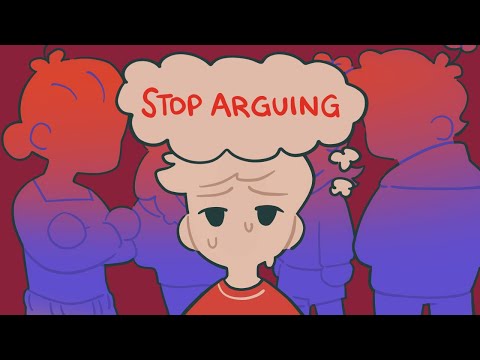
You know, spotting depression in kids and teens can be tricky. They don’t always show it like adults do. Sometimes, it’s hidden behind a smile that just doesn’t reach their eyes.
It can be tough for parents or caregivers to catch those subtle signs. You might notice them acting differently, but figuring out what’s going on feels like trying to solve a puzzle with missing pieces.
And then there’s that feeling of helplessness—wanting to help but not knowing how. So, let’s break it down together. Understanding what to look for could make a world of difference for the young ones in your life.
Understanding Child Depression: Essential Tests and Resources for Parents
Recognizing child depression can be tricky. Kids often don’t express their feelings the same way adults do. So, how do you know if your child is really struggling? Well, let’s break this down a bit.
First off, signs of depression in children can include persistent sadness, irritability, changes in sleep or appetite, and loss of interest in activities they once loved. You might notice your kid was once all about soccer but now seems disinterested. This shift could be a red flag.
Now, testing for depression isn’t just about filling out a form and calling it a day. There are several essential tests and assessments that professionals can use to get a clearer picture:
- The Child Behavior Checklist (CBCL): This helps parents and teachers report on behavior and emotional issues.
- The Mood Disorder Questionnaire (MDQ): It screens for mood disorders specifically.
- Interview with a Mental Health Professional: Sometimes just talking things through with someone trained makes all the difference.
So let’s say you’re noticing some signs that concern you. What’s the next step? It can feel overwhelming at first, but reaching out to a pediatrician or mental health expert is crucial. They’ll know what resources are best for your child.
Treatments for child depression vary widely based on severity and specific needs. Some kids benefit from therapy like cognitive-behavioral therapy (CBT), which helps them learn to manage their thoughts and feelings more effectively. Others might need medication to help balance brain chemistry.
But don’t stress! It’s not always about meds; sometimes it’s just therapy or family support that does wonders. Creating a supportive home environment is huge too!
And oh man, I remember hearing from one friend whose daughter went through this tough time; they started having regular «check-in» chats at dinner where everyone could share how they were feeling. Just being there made such a difference!
Resources are all around too! Websites like the National Institute of Mental Health or local mental health services can offer guidance tailored specifically for kids and teens.
In short, understanding child depression isn’t just about recognizing symptoms—it’s about taking proactive steps to ensure your child’s well-being! You’re not alone in this journey; there’s plenty of support out there if you look for it!
Effective Strategies to Support Your Child Facing Depression and Anxiety
Supporting a child dealing with depression and anxiety can feel overwhelming. You want to help, but you might not know where to start. Let’s break this down into some real-world strategies you can use.
Recognizing when your child is struggling is the first step. Kids often show signs differently than adults do. Look out for things like:
- Changes in mood: Is your usually cheerful kid more irritable or withdrawn?
- Social withdrawal: Do they avoid friends or activities they once loved?
- Declining grades: Are they suddenly having a tough time in school?
- Physical symptoms: Complaints about headaches or stomachaches, even when there’s nothing physically wrong.
For example, I remember a friend whose daughter used to love soccer. One day, she just stopped wanting to go to practice. When they dug deeper, it turned out she was feeling super anxious about not being good enough anymore.
Once you’ve noticed these signs, the next step is to talk to your child. Seriously, open communication is key here. Make sure they know it’s safe to express how they’re feeling:
- Be approachable: Let them know you’re there to listen without judgment.
- Avoid minimizing their feelings: Phrases like «It’s not that big of a deal» are unhelpful.
- Ask open-ended questions: Instead of yes/no questions, try «What’s been on your mind lately?»
This way, you’re inviting them to share without putting pressure on them. It was always easier for my friend when she asked her daughter about her day instead of diving straight into the heavy stuff.
Next up is validating their feelings. Just because you might not understand what they’re going through doesn’t mean it isn’t real for them. Acknowledging their feelings can make all the difference:
- Say things like: «I can see you’re really upset,» or «It sounds like you’re feeling really anxious right now.»
- Avoid clichés: Steer clear of phrases like “You’ll get over it” because that can come off dismissive.
Another significant part of supporting a child with depression and anxiety is seeking professional help if needed. This doesn’t have to be scary; therapists can provide tools that you both can’t do alone:
- Psychotherapy: Talking through feelings with a professional can be incredibly beneficial.
- Cognitive Behavioral Therapy (CBT): This technique helps reframe negative thinking patterns—super helpful for kids!
Plus, getting advice from someone trained in mental health can give you peace of mind too.
Lastly, don’t forget about self-care—for both you and your child.
- Create routines: Kids thrive on structure! Regular meal times and bedtimes can make a world of difference.
- Add positive activities: Try family hikes or art projects together—anything that gets everyone involved!
Even checking in with yourself is important! When I was helping my friend through this tough time with her daughter, we would often grab coffee together just to vent and recharge.
Supporting your child through depression and anxiety isn’t easy—but taking these steps helps create a secure space for them to heal and grow. Just being there makes an impact!
10 Key Signs of Depression in Children: Recognizing Early Warning Signs
Recognizing depression in children isn’t always easy. Kids can be great at hiding their feelings or expressing them in ways that don’t seem like what you’d expect. Here are some key signs to watch for:
1. Persistent Sadness or Irritability
If a child seems sad or irritable most of the time, that’s a big red flag. Maybe they used to be cheerful and full of energy, but now they seem down more often than not.
2. Withdrawal from Activities
When kids stop doing things they once loved—like playing sports, hanging out with friends, or even hobbies they were passionate about—it might indicate something deeper is going on.
3. Changes in Sleep Patterns
Look for changes in how much or how little your child sleeps. Are they suddenly having trouble falling asleep? Or do they seem tired all the time? These could be signs of depression.
4. Changes in Appetite or Weight
Maybe your kid has started eating way less, or on the flip side, they’ve been munching constantly as a comfort mechanism. Either way, drastic shifts can be concerning.
5. Difficulty Concentrating
If you notice that your child is struggling to focus on schoolwork or even losing interest in their studies altogether, this could point to emotional distress.
6. Feelings of Worthlessness or Guilt
Kids might start expressing negative thoughts about themselves—saying they’re «bad» or feeling guilty about things that aren’t their fault. This kind of self-talk can be super harmful.
7. Physical Complaints without a Clear Cause
Sometimes depression shows up as headaches, stomachaches, or other physical issues that don’t have a clear medical reason behind them. If these complaints come up frequently, it’s worth exploring further.
8. Low Energy
If your kid seems fatigued all the time and just doesn’t have the usual pep—like dragging through their day—that could signal something more serious than just tiredness from school.
9. Increased Sensitivity to Stimuli
Watch for heightened reactions to sounds, lights, and even social situations that didn’t bother them before. This sensitivity may stem from emotional overload related to depression.
10. Thoughts of Death or Self-Harm
This is serious: if your child talks about wanting to die, feels hopeless about life, or mentions self-harm—even if it seems like a joke—immediate action is necessary and professional help should definitely be sought.
Recognizing these signs early can make a huge difference for kids battling depression. It’s tough for them and equally tough for parents who care deeply but feel lost in how to help out when things get dark like this! Always trust your gut—if you’re worried about your child’s mental health, reaching out to a professional can often provide clarity and support where it’s really needed.
Noticing signs of depression in kids and teens can be, honestly, pretty challenging. They’re often really good at hiding how they feel. I mean, think about it. When you were younger, didn’t you sometimes just put on a brave face even when things felt heavy?
Take my friend Sarah, for example. She has a teenage son who seemed totally fine—just the usual teenage mood swings, right? But then, she started noticing he was way more withdrawn than normal. He’d stay in his room for days, skipping meals and ignoring his friends. Sounds like classic teen stuff? Maybe! But for Sarah, it raised a flag. And that’s what matters: being aware of those little shifts.
So what should you be on the lookout for? Well, changes in behavior are huge. If you notice a kid going from super social to totally isolated—that’s not just them being moody. Also, pay attention to their energy levels or enthusiasm for activities they used to love. If soccer practice or hanging out with pals becomes a drag instead of fun, that’s something to notice.
Sleep habits can also give clues. If they’re sleeping way too much or can’t seem to catch any zzzs at all—that can signal trouble brewing underneath the surface. And grades slipping? That can be another indicator that things aren’t quite right emotionally.
But here’s where it gets complicated: kids and teens may not even know they’re feeling depressed! They might describe their feelings as just “feeling off” or “meh.” It’s like they’re lost in a fog but can’t quite articulate it.
Being open and approachable makes such a difference here. You want them to feel safe enough to share what they’re going through without fear of judgment or dismissal. A simple check-in like “How are you doing?” or “You seem quieter lately; is everything okay?” could start an important conversation.
Ultimately, recognizing signs is about connection—you know? Being present enough to notice when someone isn’t quite themselves anymore can help them find their way back when things get tough. Just remember: if you’re ever unsure about what’s going on with someone you care about, don’t hesitate to reach out for help; talking it out with someone who knows what they’re doing can make everything clearer and lighter!