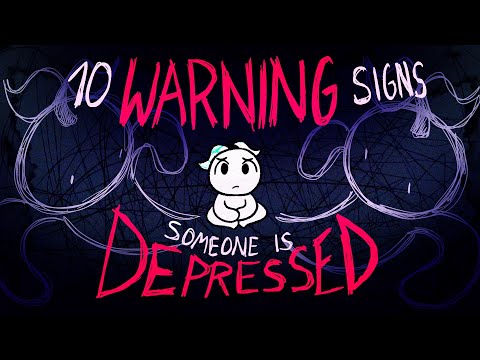
You know that feeling when you just can’t shake off the weight of the world? It’s like, everything feels heavy—your thoughts, your body, even getting out of bed seems like a marathon.
Well, deep depression can sneak in like that. Sometimes it whispers, and other times it shouts. You might catch yourself wondering if it’s just a phase or something more serious.
Honestly, recognizing those signs can be tricky. It’s not just about feeling sad; there’s this whole mix of emotions and behaviors that come into play.
Let’s talk about the little clues in your daily life that might hint at something deeper brewing beneath the surface. Trust me, knowing what to look for can make a big difference.
Understanding Daily Life with Depression: Signs, Symptoms, and Coping Strategies
Living with depression can feel like you’re walking through mud every day. Everything takes more effort, and even the simplest tasks can feel monumental. But what are the signs you might be dealing with deep depression? Understanding the symptoms is crucial to recognizing when you or someone you care about needs support.
Signs of Depression can manifest in various ways:
- Low energy: You often feel drained, even after a full night’s sleep. Getting out of bed may take all your strength.
- Changes in appetite: You might find yourself overeating or losing interest in food altogether. Remember that these shifts can be drastic.
- Sleeplessness or oversleeping: Either extreme can happen. Some people struggle to sleep, while others just want to stay in bed all day.
- Lack of interest: Hobbies that once brought joy now seem pointless. You might skip social events you used to love hanging out at.
- Persistent sadness: It’s like a dark cloud follows you around—feelings of worthlessness or guilt linger even when things are okay.
And it’s not just about feeling sad; there’s often a sense of emotional numbness. You may find it hard to connect with others or experience joy, which can be isolating and frustrating. For instance, I once knew someone who loved painting but eventually stopped because it felt like no colors were vibrant anymore—just shades of gray.
Coping with daily life while grappling with depression requires some strategies that could soften its impact on your routine:
- Create a routine: Having a structure—even if it’s loose—gives your day purpose. Try organizing small chunks of time for basic tasks like showering, eating, or even just stepping outside for fresh air.
- Pace yourself: Don’t push yourself too hard. Break tasks into tiny steps; that way, things feel less overwhelming and more manageable.
- Reach out: Talk to someone you trust about how you’re feeling. Sometimes just voicing your struggles makes them feel lighter, like lifting a heavy backpack off your shoulders.
- Meditation and mindfulness: These techniques can help ground you when things get chaotic in your mind and create moments of calm amid anxiety.
You should also consider scheduling professional help. Therapy is not one-size-fits-all but finding what works for you—whether through talk therapy, cognitive-behavioral therapy (CBT), or another method—can lead to meaningful change over time. Regular sessions provide tools to manage symptoms more effectively and offer validation during tough times.
The thing is, every person’s experience with depression varies; there’s no right way to feel or cope. It’s important to give yourself grace along this journey—you’re not alone in this battle! Finding what helps is sometimes trial and error but keep going; each little step matters!
If any of these signs resonate with you or someone close to you, it might be worth seeking further understanding or professional support. Remember that addressing mental health is as crucial as taking care of physical health—it’s all part of being human!
Identifying Key Symptoms of Depression: What You Need to Know
When it comes to depression, recognizing the signs can be a game changer. You know, sometimes it creeps up on you like a shadow, and you might not even realize it’s there until it feels overwhelming.
So, let’s break down some of the key symptoms you might see in daily life. You could notice that:
You see what I mean? These symptoms can really mess with how you function daily.
But here’s where it gets tricky: sometimes these feelings are mixed with other emotions or situations. Maybe you’re dealing with stress at work or relationship issues that make everything feel heavier than normal.
And let’s talk about irritability and anger for a second. It can come out of nowhere! You could be fine one moment and then snap at a friend over something small—it’s weird because deep down, you might feel guilty afterward.
Then there’s that pesky thing called hopelessness. It’s like believing there’s no light at the end of the tunnel; everything just feels pointless.
Now, I remember chatting with a friend who insisted he was just «stressed.» He kept pushing through without acknowledging what was happening inside him. But eventually, he broke down and realized he had been stuck in this cycle for months! Recognizing those symptoms is key to making the first move toward change.
If any of this sounds familiar—like something resonates with your own experience—it might be worth talking to someone about it. Seriously—whether it’s friends, family, or even a pro therapist, getting another perspective is never a bad idea.
In summary, noticing these signs can really help you understand what’s going on emotionally. If they linger or worsen over time? Well then it’s definitely time to take action and seek support!
Unlocking Understanding: The 5 Essential Keys to Navigating Depression
Understanding Depression can feel like a heavy fog, right? You can’t quite see your way forward. The thing is, recognizing the key signs of deep depression in your daily life is crucial. Why? Because it helps you or someone you care about take that first step towards feeling better.
1. Constant Fatigue
If you’ve ever felt like your legs are made of lead and getting up feels impossible, you’re not alone. Deep depression often brings overwhelming fatigue that doesn’t go away after a good night’s sleep. It’s like running a marathon while carrying a backpack full of bricks every day. You might find yourself crashing on the couch as soon as you get home, even if it’s only 5 PM.
2. Loss of Interest in Activities
Remember that hobby or activity you used to love? Well, when depression strikes, even things that once brought joy can seem dull or pointless. Maybe it was painting or hanging out with friends—now those things just don’t feel appealing anymore. This loss of interest is called anhedonia and it’s a significant indicator that something deeper may be going on.
3. Changes in Sleep Patterns
Are you sleeping too much or hardly at all? Depressive states can mess with your sleep schedule big time! Some people find themselves tossing and turning all night while others just can’t get out of bed in the morning. It’s kind of like your body gets confused about when it should be awake or asleep.
4. Feelings of Hopelessness
This is tough to talk about, but many who struggle with deep depression experience feelings of hopelessness or worthlessness. It’s like wearing glasses that make everything look gray and bleak; suddenly, the future seems dim and uncertain. If you catch yourself thinking thoughts like “What’s the point?” or “I’ll never get better,” those are serious signs to take note of.
5. Difficulty Concentrating
Then there’s that pesky issue with focus! You might find it hard to concentrate at work or school—like trying to watch TV while someone blasts music in the background. Tasks that seemed simple could now feel overwhelming, leading to frustration and more stress.
Recognizing these signs isn’t just an exercise in awareness; it’s about understanding yourself better—or helping a friend who might be silently struggling through their own foggy days. Depression isn’t merely «feeling sad»; it’s complex and deeply personal.
If any of this resonates, remember: reaching out for help is a sign of strength, not weakness. Talk to someone—a friend, family member, or professional can really make a difference as you navigate through this challenging time together!
You know, when it comes to deep depression, sometimes it just sneaks up on you. Like, one day you’re cruising through life, and then bam! Everything feels heavy and grey. Recognizing those key signs can feel like trying to find a needle in a haystack, especially when you’re caught up in your own head.
I remember this time when my friend Alex went through a rough patch. At first, he just seemed a little more tired than usual, sleeping in and skipping our usual weekend hangouts. I thought maybe he was just busy or stressed with work. But then things started to shift even more. He stopped caring about stuff that once lit him up—his guitar sat untouched in the corner, and he wouldn’t even laugh at our inside jokes anymore. It was tough to watch him unravel like that.
So what’s it look like when someone is deep in depression? Well, for starters, there’s this cloud of hopelessness that drapes over everything. People might feel like they’re trapped in a dark room with no way out. Changes in mood are big too; you might notice irritability or anger where there used to be joy. And let’s not forget changes in sleeping patterns—you could be sleeping way too much or hardly at all.
It’s also common for folks to lose interest in things they used to love or even feel physically drained all the time without much reason behind it. Sometimes that can show up as stomachaches or headaches—like your body is trying to scream for help but no one knows how to listen.
But here’s the thing: recognizing these signs isn’t just about watching others; it’s important for yourself too. If you find yourself feeling isolated or overwhelmed by negative thoughts all day long—it might be time to chat with someone about what you’re going through.
You really don’t have to go through this alone—even though it may feel that way at times. We often think we can tough things out on our own, but seriously reaching out can change everything. Just like Alex found his way back from that dark place eventually with some help and support from friends (and yeah, getting back into music), there’s hope out there for anyone hanging onto that heavy feeling of despair.
At the end of the day, recognizing those signs is key—not only for ourselves but for those we care about too. It opens the door for conversations that can lighten the load a bit and lead us toward healing together.