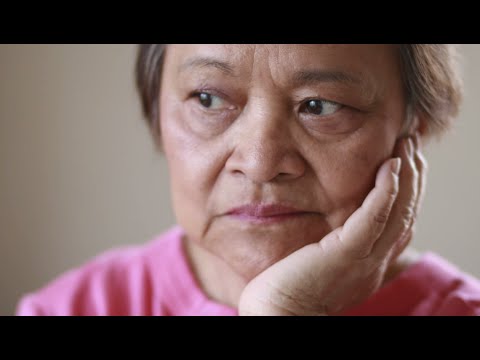
You know, depression can be sneaky. It doesn’t just hit the young; older adults can really struggle, too.
Imagine someone you love, maybe a grandparent or a neighbor. They seem different lately—more withdrawn, less interested in things they used to enjoy.
It’s easy to brush it off as “just getting older,” but that’s not always the case. Sometimes, what looks like aging might actually be something deeper, like depression.
So, how do you spot it? What are the signs to watch for? Let’s chat about it!
Recognizing the Signs of Depression in Older Adults: Essential Insights for Caregivers
Recognizing the signs of depression in older adults can be pretty challenging, but it’s super important for caregivers. You want to make sure they get the support they need. Sometimes, folks in this age group don’t express their feelings the same way younger people do. So, being aware of these subtle signs can really help.
Changes in Mood and Behavior are often the first indicators. Older adults might become more irritable or withdrawn than usual. If someone who used to light up at family gatherings suddenly prefers staying in their room, that’s a red flag.
Another sign is loss of interest in activities they once loved. Maybe Grandma always enjoyed knitting or playing bingo with friends, but now she just doesn’t care anymore. When those hobbies drop off, it could be more than just a phase.
You’ll also want to pay attention to changes in sleeping patterns. Some people might sleep a lot more than normal or maybe struggle with insomnia. Picture your Uncle Joe who used to doze off on the couch after lunch but now lies awake staring at the ceiling every night.
Then there’s appetite changes; if someone suddenly refuses food or eats way too much, you should definitely take note. It can be hard to recognize since many older adults have different dietary needs anyway, but significant weight loss or gain over time could signal something deeper going on.
Additionally, watch for physical symptoms that don’t seem linked to any specific health issue. Complaints about headaches, stomach issues, or general aches and pains can sometimes stem from emotional distress rather than physical ailments. It’s complicated—it happens because mental health issues can manifest physically too!
Sometimes there are also cognitive changes. You know how when someone feels blue, they might have trouble concentrating? Well, this can happen with older adults too! If your dad forgets simple things he usually remembers easily, it could signal something’s off emotionally.
There’s another biggie: social isolation. If you notice that your loved one is pulling away from family and friends or canceling plans frequently—like not wanting to go out for coffee anymore—that could be concerning.
Lastly—and this one is crucial—look for any mention of feelings like worthlessness or hopelessness. If an older adult starts saying things like “I don’t see the point anymore,” you better take that seriously. It’s tough to hear these words from someone you care about.
So yeah, if you’re caring for an older adult and notice even a couple of these signs—I mean any combination—it’s worth talking about it together with them and possibly seeking professional help. The earlier you catch something like depression, the better chances are for recovery and improving their overall quality of life!
Understanding the Leading Causes of Depression in Older Adults: Insights and Solutions
So, let’s talk about depression in older adults. It can be really tough to spot, and the reasons behind it can be pretty varied. You know, it’s not just a simple case of “feeling sad.” Let’s break down some of the main causes and what we can do about it.
Health Issues
First off, many older adults deal with chronic health conditions. Think arthritis, diabetes, or heart disease. Living with pain or constant fatigue can beat you down emotionally. For instance, if someone has a bad knee that keeps them from their favorite activities, it’s no wonder they might start feeling low.
Loss and Grief
Then there’s loss. Losing a spouse or close friends is all too common in later life. The feelings of loneliness can be overwhelming. I once talked to a man who had lost his wife after 50 years together; he felt like half of himself was gone. That kind of grief can toss you into the depths of depression.
Situational Changes
A big move to assisted living or dealing with retirement can also mess with mental health. Not everyone handles change well, you know? Leaving behind familiar places and routines might lead to feelings of regret or sadness.
Lack of Social Interaction
If older adults are isolated—especially during tough times like winter months—they might struggle way more than others. Social connections are vital! Imagine not having anyone to chat with for days; that just isn’t right.
- Cognitive Decline: Issues like dementia affect mood and lead to depression symptoms that might seem weird at first but are very real.
- Mental Health History: If someone has dealt with depression earlier in life, they might be more likely to face it again as they age.
- Medications: Some medications for physical ailments have side effects that lead straight to depressed feelings.
- Pessimistic Outlook: Sometimes, an older adult may find themselves stuck in negative thinking patterns making it hard to see the bright side.
Taking Action
The good news is there are solutions! Encouraging social activities or joining support groups helps combat loneliness and connects folks with others who get it. Therapy works wonders too; talking through feelings always brings clarity and relief.
Mental Health Professionals
Psychiatrists or psychologists play a key role here by evaluating symptoms properly and helping create a personalized treatment plan—which may include therapy or even medications when necessary!
The thing is—it’s crucial for family members and caregivers to recognize these signs early on. Whether it’s withdrawal from activities they once loved or just an overall sense of hopelessness, getting help sooner rather than later makes a huge difference!
The bottom line is this: Depression in older adults is real but totally manageable with love and support from those around them–as well as professional help when needed!
Discovering the Most Effective Treatments for Depression in Older Adults: A Comprehensive Guide
When talking about depression in older adults, it’s really important to recognize the symptoms first. It’s not just about feeling blue; it can look different than what you might expect. Sometimes older folks may seem more irritable or withdrawn. They might also lose interest in things they once loved or have trouble concentrating. Changes in sleep patterns and appetite are common too.
Once we’ve pinpointed the symptoms, figuring out the best treatment can feel overwhelming but is super crucial. Effective treatments for depression typically include therapy, medication, and lifestyle changes. Each person is unique, so a combo of strategies often works best.
Let’s break it down:
- Psychotherapy: This could be talk therapy like cognitive-behavioral therapy (CBT), which helps challenge negative thoughts. You might sit with a therapist and discuss feelings and thoughts to help shift them into a healthier mindset.
- Medication: Antidepressants can sometimes do wonders for people dealing with depression. Antidepressants like SSRIs are often prescribed, but finding the right one may take some time and adjustments.
- Lifestyle Changes: Regular exercise can boost mood significantly! Even going for daily walks can help reduce symptoms of depression.
- Social Connections: Staying socially engaged is key! Whether it’s a call with family or joining a local group, connecting has big benefits.
A close friend of mine had an aunt who went through this whole journey. She’d always been lively and vibrant until she suddenly seemed distant and sadder than usual. Initially, they thought it was just aging blues. But after some discussions with her doctor, they recognized it was more than that—she needed help!
The aunt started with therapy sessions to dig deeper into her feelings. At first, it felt strange for her to talk about things she hadn’t shared before; however, gradually she opened up about fears related to aging and loneliness. After some months of regular sessions combined with low-dose medication, there was a visible shift in her mood! She even got involved in painting classes at the community center!
This brings us to an essential point: No one treatment fits all. Some older adults might respond better to one method over another or need adjustments along the way.
A key takeaway is ensuring family support during this process too—having someone by your side while figuring things out makes a world of difference!
If you know someone who might be facing this battle, encourage them to reach out for help! We all deserve a chance to reclaim joy at any age.
You know, when we talk about depression, a lot of folks might picture it affecting younger people. But the truth is, older adults can feel it just as deeply. They might not always show the typical signs we associate with depression, which can make it harder to spot. That’s why it’s so important to really pay attention.
I remember a friend’s grandmother who seemed to just fade away after her husband passed. At first, everyone thought she was just mourning. But over time, she became more withdrawn and stopped doing things she once loved—like gardening or playing cards with her friends. You could almost feel the heaviness in the room when she was around.
So what are some of these symptoms? Well, it’s not always the obvious sadness that you see in movies or TV shows. Sometimes it’s more about losing interest in stuff that used to bring joy or feeling really tired all the time—even after a full night’s sleep. Weight changes can creep in too; either someone might eat way much more than usual or hardly eat at all.
And let’s not forget about feelings of hopelessness or worthlessness that older adults might struggle with silently. I mean, imagine dealing with health issues and feeling like you’re becoming a burden on loved ones! That can weigh heavily on anyone’s heart.
Then there’s social withdrawal. It’s easy for an older adult to isolate themselves without anyone noticing right away—especially if they don’t have close family around or if their friends have moved away. If you notice someone is becoming less engaged in conversations or avoiding gatherings, that could be a red flag.
Cognitive changes are another aspect; sometimes they can confuse depression with dementia because of forgetfulness or trouble concentrating. It’s not always clear-cut—it definitely requires some digging beyond just what’s on the surface.
Recognizing these symptoms isn’t just about checking boxes off a list; it’s about being tuned in and compassionate toward those around us. You know? Taking the time to ask how someone is really doing and listening can make such a difference.
So if you ever find yourself wondering whether someone may be struggling with depression, keep an open heart and eye out for those subtle shifts. Sometimes reaching out can mean everything to someone who’s feeling lost in their own world.