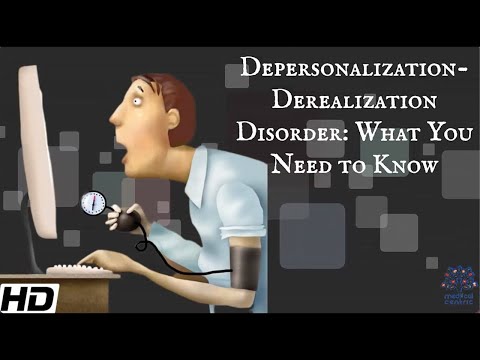
Okay, so imagine this: one day you’re just hanging out, and suddenly, everything feels… kinda off. Like the world around you isn’t real. Crazy, right?
That’s derealization for you. It’s this strange sensation where things seem foggy or distant. You might feel like you’re in a weird dream or watching your life from outside.
People go through it more than you’d think. And it can be super confusing! You’re not alone in feeling this way—trust me on that one.
So let’s talk about some key signs to look for if you think derealization might be crashing your party. It’s all about understanding what’s going on in your head, so you can feel more like yourself again!
Understanding DSM-5 Criteria for Derealization: Key Insights and Overview
Derealization can feel pretty surreal, pun intended. It’s like stepping into a dream where everything feels distant or odd. When diving into the DSM-5 criteria for derealization, you get a clearer picture of what this experience looks like.
First off, derealization is basically feeling detached from your surroundings. You’re aware that what’s happening isn’t real, but it feels very much like it is. You might look around and think, “Wow, this all seems like a movie set.” The DSM-5 outlines specific criteria to recognize this experience better.
Here are key points about derealization according to the DSM-5:
What’s tricky is that many people may not even realize they’re experiencing derealization until they try to put words to it. Maybe you’ve had a moment where you’re looking at your own reflection and think «Who is that?» That moment captures the essence of derealization.
People often describe it as being on autopilot—like your life is happening without you actively experiencing it. This can lead to feelings of anxiety or even depression since you’re disconnected from reality and relationships around you.
So keep an eye out for those signs: feeling strange in familiar places, objects appearing fuzzy or distorted—this stuff matters! Remembering these things might help you understand yourself—or someone you care about—a bit better.
If you’ve ever had moments where everything feels hazy while simultaneously knowing it’s not right… yeah, that could be the beginning of understanding derealization through the DSM-5 lens. It’s all part of grasping how complex our minds can be during stressful times.
Effective Strategies for Managing Derealization: Understanding and Overcoming Feelings of Unreality
Derealization can feel like you’re living in a movie or a dream, where everything around you seems foggy or unreal. It’s bizarre and honestly pretty unsettling. You might look at your friends and think, “Are they real?” It’s common to feel that way during periods of intense stress or anxiety but let’s talk about some effective strategies for managing these feelings.
Understanding Derealization is the first step. It often happens with anxiety, trauma, or panic attacks. You might notice it after a particularly stressful situation. Knowing that this feeling isn’t harmful helps ease some of the fear it brings.
Grounding Techniques are super helpful. These strategies aim to connect you with the present moment. For instance, whenever you start feeling detached, try focusing on your physical senses. What do you hear? What can you feel? Maybe even squeeze a stress ball or touch a piece of fabric nearby to remind yourself that you’re here.
Another method is mindfulness meditation. This isn’t about clearing your mind completely—it’s more about being aware of your thoughts and feelings without judgment. Think of it like standing on the shore and watching waves come in without trying to control them. Just observe.
Engaging in physical activity can also be a game-changer. Exercise releases endorphins—those lovely little chemicals that help lift your mood. A brisk walk outside could make all the difference in shaking off that surreal sensation.
Talk Therapy, particularly cognitive behavioral therapy (CBT), has shown positive results for many dealing with derealization. A therapist can help identify underlying triggers and assist in reshaping how you respond to these feelings.
And don’t overlook social support. Opening up to friends or family about what you’re going through can be comforting and validating, helping remind you that you’re not alone in this experience.
Lastly, consider keeping a journal. When those derealization moments hit, jotting down what you’re feeling can be immensely helpful for processing those emotions later when you’re feeling clearer-headed.
Recovering from derealization takes time and effort but remember—you’ve got tools at your disposal to help manage it! The reality around us isn’t always perfect, but it doesn’t have to feel unreal either.
Understanding Depersonalization and Derealization: Causes, Symptoms, and Coping Strategies
Understanding Depersonalization and Derealization is no small feat. These two experiences can feel super unsettling, and a lot of people don’t even realize that what they’re going through has a name. Basically, both are types of dissociation, which means they involve feeling disconnected from yourself or your surroundings. Let’s break it down.
Starting with **depersonalization**, it’s like you’re watching yourself from outside your body. Imagine looking in the mirror but feeling like you don’t really recognize the person staring back at you. You might feel robotic or numb, like you’re just going through the motions of life without really «being» there.
Now, **derealization** flips the script a bit. It’s when your environment feels unreal or distorted—like everything around you is a movie set or a dream that you can’t wake up from. Colors might seem muted, sounds can feel off, or even people might look different to you.
So what causes these feelings? Well, triggers vary from person to person but can include:
- Stressful events: Experiences like trauma can really shake things up.
- Anxiety: High levels of anxiety can lead to feelings of disconnect.
- Substance use: Drugs or alcohol can sometimes push people into these states.
- Lack of sleep: Not getting enough rest plays a big role too.
These symptoms often go hand in hand with mental health disorders like PTSD or anxiety disorders. If you’ve ever felt like time is standing still or your memories seem foggy—that’s not uncommon!
Now when it comes to coping strategies, there are some things that could help:
- Grounding techniques: Focus on your senses. Notice what you see, hear, and feel where you are.
- Taking breaks: Give yourself time away from stressful situations whenever you can.
- Talk about it: Sharing what you’re experiencing with someone supportive helps normalize it—like just opening up to a friend.
I remember chatting with someone who talked about how they felt detached during moments of extreme stress—like their body was there but their mind was miles away. It was scary for them at first; they thought they were losing control. But once they learned more about depersonalization and derealization, everything felt less overwhelming.
The important thing here is knowing that these experiences are valid! You’re not alone if you’re feeling this way; many folks go through similar things at some point in their lives. Just remember: if it gets too intense or interferes with daily living, reaching out for professional help can make all the difference!
Derealization can feel like you’re living in a dream, where everything around you seems unreal or distorted. It’s tricky, right? Like, one minute you’re soaking up the sights and sounds of your favorite coffee shop, and the next, it feels like you’re watching a movie instead of actually being there. And getting hit by this kind of experience can really mess with your head.
I remember talking to a friend who had this overwhelming sense that life wasn’t real anymore. She described it like being on the outside looking in. Like she was just floating through her day, almost like a ghost. It’s wild how something that’s often brushed aside can have a deep impact. Many folks might not even know they’re experiencing derealization until someone mentions it or they stumble across an article—kind of eye-opening.
So, what gives? Well, often derealization is tied to anxiety or stress. When life gets too heavy or overwhelming, your brain might pull this mental trick to protect itself. You might feel detached from your surroundings or have trouble remembering things clearly—like that foggy brain feeling when you’re stressed out about work deadlines or relationship drama.
Here are some signs to watch for: You could feel like time is moving too fast or too slow. Maybe sounds seem muffled or sights appear blurred—almost like you’re watching everything through a filter. It might come and go during high-stress moments; that’s pretty common too.
The thing is, if you’re feeling this way more often than not, reaching out can really help clear things up—no pun intended! Talking to someone who gets it—whether it’s a therapist or even just a good friend—can be such a relief. They can help you navigate what’s going on and maybe even help ground you back into reality when everything feels so surreal.
Recognizing those signs of derealization isn’t just about knowing what’s happening; it’s a step towards feeling more connected again. So if you find yourself drifting away from your reality now and then, just know you’re not alone in this strange experience—and there’s support out there waiting for you!