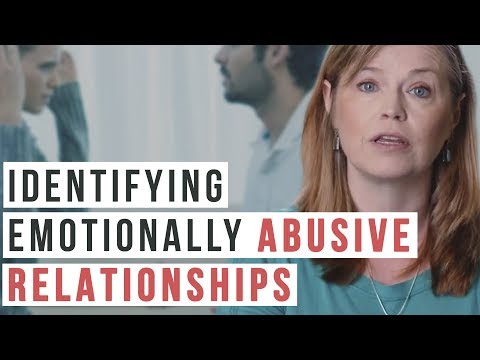
You know that feeling when you’re sitting right next to someone, but it’s like they’re a million miles away? Yeah, that’s emotional detachment. It can sneak up on you in relationships, and honestly, it sucks.
One minute things are great, and the next? You feel like you’re talking to a wall. Have you ever noticed a chill in the air when you two should be laughing together? It’s super confusing.
Sometimes it’s hard to even pin down what’s causing that distance. But recognizing those signs early can help you decide what to do next. So let’s unravel this together and see what’s really going on beneath the surface. Sounds good?
Understanding Emotional Disconnection: Signs, Symptoms, and Solutions
Emotional disconnection, or emotional detachment, can feel like a thick fog rolling in between you and your loved ones. You know those moments when you’re physically present but your mind is miles away? Yeah, that’s part of it. It’s more than just a phase; it’s a serious issue that can impact relationships in profound ways.
Signs of Emotional Disconnection can be subtle at first. You might notice that conversations feel shallow or forced. Things that once sparked joy now seem like chores. Here are some common indicators:
- You find it hard to express feelings, even when things get intense.
- Physical affection is minimal or non-existent. A hug feels awkward instead of warm.
- You often feel disconnected from your partner’s thoughts and feelings.
- You prefer spending time alone rather than with others, even those you care about.
- Your responses to emotional situations are flat; there’s less excitement or sadness than expected.
So, what could cause this weird emotional state? Perhaps it’s stress from work or personal issues that make it hard to connect. Or maybe there were past traumas affecting your ability to open up fully. Think of it like a barrier you didn’t mean to build but now feels really tall and strong.
Symptoms can vary from person to person but often include:
- A sense of numbness—feeling “meh” about things you used to care deeply about.
- Frequent mood swings where you’re suddenly angry or sad without clear reasons.
- A tendency to push people away when they try to get closer.
If you’re feeling this way, don’t beat yourself up over it. Remember, recognizing the problem is the first step toward making things better! There’s always hope for change. Connecting emotionally can be rebuilt with effort and time.
Solutions? Absolutely! Here’s how you can start bridging that gap:
- Practice self-awareness: Take time each day to check in with yourself—how do you feel? What are your thoughts?
- Communicate openly: Share how you’re feeling with loved ones even if it’s uncomfortable at first. You might be shocked at their understanding!
- Pursue therapy: Talking to a therapist helps unpack emotional baggage and learn healthier ways to connect.
- Cultivate intimacy: Spend quality time with friends or family where meaningful conversations can happen naturally—go for a walk, cook together, whatever feels right!
The thing is, reconnecting emotionally doesn’t happen overnight—it takes patience and vulnerability. But by practicing small steps toward openness and honesty in relationships, you’ll likely start feeling more in tune with yourself and the people around you. It’s all part of the journey toward healing!
Signs of Emotional Detachment: How to Recognize the Symptoms and Reconnect
Emotional detachment can be a tricky thing to deal with, especially in relationships. It’s more than just needing your space; it’s like putting up a wall that keeps others out. So, how do you recognize if you’re feeling this way or if someone you care about is? Here are some signs to look out for.
- Feeling Numb: You might notice that you’re not feeling much of anything at all. It’s like watching life happen from a distance. If something exciting happens but you can’t muster up joy or even interest, that’s a solid indicator.
- Avoiding Intimacy: Does the thought of getting close to someone make you uncomfortable? Whether it’s physical or emotional intimacy, pulling away can be a big sign. You find yourself dodging serious conversations or brushing off attempts at closeness.
- Difficulty Expressing Emotions: When was the last time you shared your feelings openly? If you’re struggling to talk about what you’re going through, it might be linked to emotional detachment. You could feel like you don’t even know how to articulate what’s on your mind.
- Pushing Others Away: This one can hurt both you and those around you. Maybe you’ve noticed that friends are starting to drift because they feel shut out? It’s often easier to isolate yourself than face potential rejection or vulnerability.
- Surprisingly Indifferent: Have you found yourself shrugging off bad news or tough situations? When things that should upset you barely register—a friend losing a job or even a family member getting sick—it can signal an emotional disconnect.
You might be thinking: “Well, why does this happen?” Life can throw some pretty heavy stuff our way, and sometimes we build those walls as a form of self-protection. Maybe it’s fear of being hurt again or past experiences that left scars. But here’s the deal: while it may feel safe at first, it often leads to loneliness and dissatisfaction.
If any of these signs resonate with you, don’t worry—you’re not alone! Reconnecting is entirely possible.
Start small; try sharing little bits about your day with someone trusted. Over time, open conversations can help chip away at those walls. And if you’re struggling seriously with detachment, talking to a therapist could guide you on how to navigate those feelings more effectively.
The journey back to connection isn’t always easy—sometimes it feels daunting—but taking even tiny steps is progress! And remember: allowing yourself vulnerability brings real strength in relationships; it opens the door for deeper connections and understanding with people around you.
Understanding Emotional Detachment: Why You Feel Disconnected from Your Partner
Emotional detachment can be super confusing, especially in a relationship. You might feel like you’re living with someone but, at the same time, totally disconnected from them. It’s frustrating, right? So, let’s break it down and see why this happens.
What is Emotional Detachment? It’s basically when you or your partner start feeling distant emotionally. This isn’t just about being physically apart; it means you might not be truly connecting on a deeper level. Sure, you can share a couch and binge-watch Netflix, but that doesn’t mean your hearts are in sync.
Let’s think about signs of emotional detachment. Here are a few things to watch out for:
- Your conversations feel surface-level.
- You notice a lack of intimacy—both emotional and physical.
- Your partner seems distracted or uninterested when you talk.
- You find yourself avoiding deep discussions altogether.
- One or both of you may experience feelings of loneliness even when together.
This sense of disconnection can come from various reasons. For one, maybe there are underlying emotional issues. Sometimes people carry past traumas without even realizing it. They might have experienced situations that made them build walls around their feelings. Think about it: if someone has been hurt before, they may protect themselves by emotionally detaching from new partners. It’s like wearing armor to keep from getting hurt again.
An example? A friend of mine was in a long-term relationship where her partner had a tough upbringing—lots of family turmoil. Over time, she noticed he started pulling away emotionally. At first, she thought it was something she did wrong! But really, he was grappling with his own fear of emotional closeness because of his past experiences.
Lack of communication can also play a big role in this disconnect. If you both don’t openly discuss your feelings or the state of your relationship regularly then misunderstandings grow like weeds. You start assuming things about each other without talking it through—like thinking they don’t care because they haven’t said “I love you” in a while—not realizing they just don’t express emotions the same way!
Moreover, life stressors like work pressure or family obligations can create distance too. When you’re stressed out, it’s easy to pull back and focus on survival mode rather than investing time in nurturing feelings for each other instead
The thing is: if you’re feeling emotionally detached, acknowledging it is the first step toward change. It’s totally okay to feel this way sometimes; relationships have their ups and downs! Start having those honest conversations with your partner about how you’re feeling—no matter how awkward they may seem at first.
If both partners are willing to put in the effort to reconnect on an emotional level—through communication or seeking professional help—it can lead to growth for both individuals and strengthen the bond between you two!
You know, emotional detachment can be a tricky thing to spot in relationships. Sometimes, it creeps in gradually, like that slow build-up of clutter in the corner of your room that you just keep ignoring. One minute, everything feels fine; the next, you’re wondering why your partner seems like they’re living on another planet.
A friend of mine once told me about a time when she felt this distance growing. They used to share everything—those late-night talks and spontaneous adventures were the highlights of her days. Then, things started changing. Her partner would come home from work, but instead of conversation or laughter, there was silence. She realized he wasn’t just tired; he was emotionally checked out.
It’s super easy to get caught up in day-to-day life and overlook these signs. But if your partner is regularly avoiding meaningful conversations or seems disinterested in your feelings or plans? That’s not a good sign. When affection turns into more of a routine—like saying “I love you” just out of habit—it may be time to pause and reflect.
Sure, some people might be naturally less expressive than others; maybe they’re more introverted or they just process emotions differently. But when emotional detachment becomes a pattern, it can feel like a heavy wall between you two. You start feeling isolated even when you’re together—a bit like watching a movie alone while sitting next to someone.
Keeping an eye out for these signs can help you navigate your relationship better. Are they not engaging with you as much? Do they roll their eyes during discussions about feelings? Or are they suddenly too busy for date nights? If any of this sounds familiar, don’t brush it off! Talking openly about what you’re both feeling could break down that wall.
So yeah, keep those lines of communication open! It’s all about working together to understand each other better and reconnecting before that distance gets too great. Because at the end of the day, we all crave closeness—it’s just part of being human!