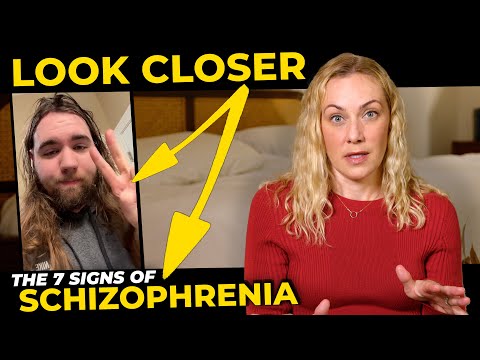
Alright, let’s chat about something pretty important: schizophrenia. I mean, it sounds like a big word and a scary topic, but it doesn’t have to be.
What’s wild is that most folks don’t really know what to look for when it comes to early signs. You might even have a friend or family member who’s struggling, and you just don’t realize it yet.
So, what does that look like? Well, it’s not always obvious. Sometimes it sneaks up on you—or them. There can be little changes here and there that might seem harmless at first.
But catching those signs early can make a world of difference. Seriously! Let’s break it down together, so you’re better equipped to spot those signs when they pop up. Sound good?
Identifying Early Symptoms of Schizophrenia: A Comprehensive Guide
Recognizing early signs of developing schizophrenia can be a bit tricky, you know? It’s one of those conditions that often sneaks up on people. So, let’s break it down.
First off, schizophrenia usually shows its face in late adolescence or early adulthood. You might see signs as early as the late teens or early twenties. And while not everyone will experience these symptoms in the same way, there are some common things to look out for.
- Social withdrawal: If you notice you’re kinda pulling away from friends and family, like texting less or skipping hangouts, that could be a red flag. This isolation can feel lonely and confusing.
- Changes in thinking: You might find yourself having odd thoughts or experiencing something called delusions. For instance, believing that people are plotting against you when they’re really just being normal.
- Sensory experiences: A lot of folks with schizophrenia hear voices that others don’t. But it can also go the other way—maybe you see things others can’t or have unusual sensations.
- Difficulty concentrating: If focusing on tasks feels tougher than usual—like when you’re trying to read a book but your mind keeps drifting—this could point towards trouble brewing.
- Mood swings: Big emotional ups and downs can be concerning too. If you’re swinging from feeling super happy to really sad without much reason, it might be time to pay attention.
Let me share an example just to put this into perspective. Imagine a young guy named Jake. He was super close with his pals but suddenly stopped hanging out with them and spent all his time alone in his room playing video games. His friends thought he was just going through a phase, but Jake started hearing whispered conversations that no one else could hear. That isolated feeling? It weighed heavy on him.
You see how it can spiral? Recognizing these symptoms early is crucial because getting help sooner rather than later can make a huge difference in managing the condition.
If you spot these signs in yourself or someone else, consider reaching out for support—whether it’s talking to a trusted friend, family member, or mental health professional. There’s no need to go through this alone; help is out there!
Understanding the Triggers of Early Onset Schizophrenia: Key Factors and Insights
Understanding early onset schizophrenia can feel like wandering through a maze. You know there’s something important at the end, but the twists and turns can be overwhelming. Let’s break it down into manageable pieces.
First off, early onset schizophrenia typically begins in adolescents or young adults. You might notice changes in behavior, mood swings, or even odd thoughts. These signs can sometimes feel like classic teenage angst but pay attention. Things like paranoia, seeing things that aren’t there (called hallucinations), or feeling disconnected from reality are serious red flags.
Now, when we talk about triggers, there are several key factors to consider:
Alright, let’s chat about brain chemistry. Neurotransmitters like dopamine are involved here. Think of dopamine as your brain’s messenger; when things get out of balance due to various reasons—like stress or drugs—it can lead to psychotic symptoms.
Then there’s trauma—an often overlooked factor. Experiencing trauma at a young age can make you more vulnerable to developing mental health issues later on. It’s like carrying around heavy baggage that just gets heavier over time if you don’t address it.
But not everyone who faces these factors will develop schizophrenia! It’s complex and includes how resilient someone is and their support systems. Having close friends or family who understand and support you can make all the difference!
Let me share a short story: I once knew a guy named Jake who seemed totally normal in high school—a fun-loving dude who loved skateboarding with friends. But then he started isolating himself after his parents went through a rough divorce. He began hearing whispers that no one else could hear and felt like people were watching him all the time. It was his environment changing along with some genetic history that kicked off early signs of schizophrenia.
So remember this: recognizing these triggers is crucial for early intervention and treatment! If something feels off with yourself or someone you care about, don’t hesitate to talk about it with someone who knows—for example, a mental health professional.
Mental health is all about understanding yourself and others better! And when we know what could potentially trigger something serious like early onset schizophrenia, we’re one step closer to helping those who need support.
Understanding Pre-Schizophrenia: Early Signs and Symptoms to Watch For
Schizophrenia can be super scary to think about. The early stages, often called pre-schizophrenia, can really sneak up on folks. You might wonder how to spot it before it becomes a full-blown issue. Well, I’m here to help break it down for you.
First off, let’s chat about some of the early warning signs. These can vary from person to person, but often you might notice:
- Social withdrawal: You might find someone who used to be super chatty starting to avoid friends or just hang out in their room more.
- Changes in mood: They may swing from feeling really up one minute, then down the next. It could feel like emotional whiplash.
- Unusual thoughts: Like, they could start believing something strange, like thinking they have some special powers or that people are out to get them. It sounds weird, but it happens.
- Difficulties in thinking: This could look like trouble focusing or having their thoughts seem jumbled. Ever try to follow someone’s conversation when they’re rambling? Yeah, that’s kind of what it feels like.
Now, picture this: A friend named Jamie used to light up any room with their jokes and laughter. But lately, they’ve been quiet at lunch and stare blankly at their phone instead of joining in conversations. You worry because Jamie seems lost and not quite themselves anymore.
Another thing is a change in how they view reality. Things that were once obvious might start looking different. They could take everyday events way too seriously, like thinking a casual joke was actually an attack on them.
This isn’t just about being moody or going through a phase; these signs can stick around for months or even years before others notice something’s off. If you’re seeing this happen with someone close to you—or even yourself—it’s best not to brush it off.
It’s also crucial not to jump straight into panic mode! Just because someone displays these signs doesn’t mean they’re headed for schizophrenia for sure. But the sooner you reach out for support—either through talking with trusted friends or seeking professional help—the better.
Lastly, keep in mind that the support system around a person showing these signs matters so much. Having family or friends who understand what they’re going through can make all the difference.
So yeah, if you think something’s up—don’t hesitate! It’s always better safe than sorry when it comes to mental health stuff. Keeping an eye out for those little changes can be key in catching things early on and getting help if needed!
You know, when we talk about mental health stuff, it’s like peering into a really complex puzzle. One piece that always seems to be shrouded in mystery is schizophrenia. It can feel overwhelming, especially when you consider that recognizing early signs is crucial for helping someone who might be developing this condition.
Think back to when you’ve felt off or just not quite yourself. Maybe you started hearing things that weren’t there or felt like your thoughts were racing in all directions. That’s kind of what it can feel like for someone on the cusp of schizophrenia. But getting real help early can make such a difference.
Let’s say you notice a friend who used to light up at gatherings getting more withdrawn. They might stop talking with friends or lose interest in hobbies they used to love. It’s not just moodiness; it could be a sign they’re grappling with something deeper. And while everyone goes through phases, if these changes linger, it’s worth paying attention to.
Another thing to look out for is peculiar beliefs or ideas that seem out there—like if they start fixating on conspiracy theories that don’t quite make sense or thinking people are out to get them. In those moments, it really helps to approach them with care, empathy, and an open ear rather than judgment.
Sometimes people might have trouble focusing, struggle with memory, or experience some emotional flatness too. You know how we all have our ups and downs? Well, this feels like the downs get more pronounced and last longer without any clear reason.
It’s tough for anyone going through this kind of change—not just for the person experiencing it but also for their loved ones who are trying to figure out how best to support them. So if you’re concerned about someone close and their behavior seems off, don’t hesitate to gently reach out and talk about it. Creating a safe space might encourage them to open up.
Recognizing early signs isn’t just about putting labels on things; it’s really about being able to connect someone with the right support before everything gets tangled up into something harder to handle later on. How amazing would it be if we all looked out for each other a bit more?