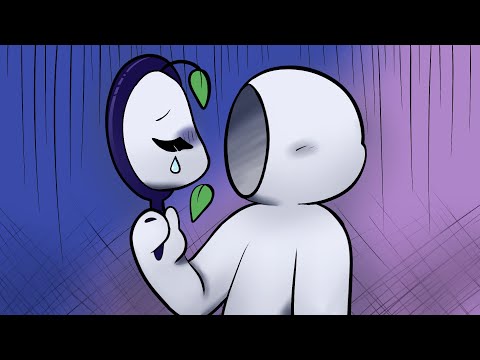
So, let’s chat about this thing called dissociative amnesia. Ever heard of it? Yeah, it’s a bit of a mouthful. But it’s really interesting when you dig in.
Imagine you suddenly can’t remember parts of your life, like just blank pages in a book. Wild, right? This can happen for all sorts of reasons, often linked to stress or trauma. It leaves people feeling lost or even disconnected from who they are.
You know someone who might’ve gone through something tough and they just… zone out? Or forget things that seem important? That’s where this whole thing comes in. It’s tricky to spot sometimes, but recognizing the signs can really make a difference.
So let’s unpack this together!
Understanding Dissociative Amnesia: Mechanisms, Symptoms, and Treatment Options
Dissociative amnesia can feel like being in a fog, where important memories get lost. It’s not about forgetting where you left your keys; it’s usually deeper and tied to trauma or stress. So, let’s break it down in simple terms.
What is Dissociative Amnesia?
Essentially, it’s a mental condition that causes you to forget significant information about yourself or events. You might forget your own identity or significant life events, often because your brain is trying to protect you from the pain of those memories.
Mechanisms Behind It:
Your brain has this incredible ability to shield itself when things get too overwhelming. When faced with trauma, like an accident or abuse, the mind might just decide to block out those painful memories altogether. It’s almost like an emotional reset button—your way of coping with something really heavy.
Symptoms:
So how do you know if dissociative amnesia is at play? Here are some common signs:
- You can’t recall important personal information.
- You forget specific traumatic events.
- You struggle with identifying who you are.
- Your everyday functioning gets affected.
Imagine someone who went through a nasty breakup and suddenly can’t remember their partner’s name or the good times they shared. That’s not just selective memory; it’s a way of coping with emotional pain.
Treatment Options:
Now if you’re thinking, «Okay, so what do we do about it?» there are several paths you can take:
- Therapy: This is usually the first step. Talk therapies like cognitive behavioral therapy (CBT) can help process those tough memories safely.
- Medications: While there’s no specific drug for dissociative amnesia, sometimes doctors prescribe antidepressants to manage anxiety and depression that may accompany it.
- Support Groups: Connecting with others who understand what you’re going through can provide comfort and validation.
A friend of mine once shared her experience with dissociative symptoms after a traumatic event. She described feeling lost and confused for months, like she was watching her life unfold from a distance. Through therapy and support from loved ones, she gradually started reclaiming those lost pieces.
Finding help is key! Whether it’s reaching out to a mental health professional or talking to trusted friends and family members about your experiences—it all helps pave the way toward healing.
Dissociative amnesia isn’t simple; it’s complex and often tied up in emotional knots that take time to untangle. But remember: you’re not alone in this journey. With understanding and support, moving forward is totally possible!
Understanding Dissociative Amnesia: Symptoms, Causes, and Treatment Options
Dissociative amnesia can be pretty confusing, and it’s not something a lot of folks know about. It’s, like, when your brain just decides to hit pause on certain memories, usually because those memories are super stressful or traumatic. You might find yourself forgetting important personal information, or even entire chunks of your life, which is kind of wild if you think about it.
So what exactly are the symptoms? Well, here’s a quick rundown:
- Memory Loss: This isn’t your run-of-the-mill forgetfulness. It’s more like someone flipped a switch. You might forget your name, where you live, or significant dates like birthdays.
- Gaps in Memory: Sometimes it’s just specific events or time periods that go MIA. You could remember everything up to last year but have no clue what happened over the summer.
- Identity Confusion: It might feel like you don’t really know yourself anymore. Who am I? Why am I here? It can be totally disorienting.
- Dissociation: You may find yourself feeling detached from reality or feeling like you’re watching your life from outside your body.
Now let’s talk about some common causes. Most often, dissociative amnesia happens due to really distressing events—think trauma or abuse. Your mind is trying to protect you from pain that feels too overwhelming.
- Trauma: Maybe you’ve been in an accident, lost a loved one unexpectedly, or went through something horrific. Your brain might decide to lock those memories away.
- Abuse: Long-term exposure to physical or emotional abuse can lead to memory loss as a defense mechanism.
- Stressful Events: Even less severe stressors—like moving towns or job loss—can trigger this response in some people.
And when it comes down to options for treatment? Well, the good news is there are ways to tackle this head-on!
- Therapy: Talking things out with someone trained can be huge. Therapists often use techniques like cognitive-behavioral therapy (CBT) which helps in reshaping distorted thoughts and gradually working through those tough memories.
- A medication option: There aren’t specific meds for dissociative amnesia itself but sometimes people benefit from antidepressants or anti-anxiety medications if their symptoms overlap with depression and anxiety disorders.
- Psychoeducation: Learning about what’s going on can empower both you and your loved ones. It helps create understanding so that everyone knows how best to support each other during tough times.
When my friend Sam went through her trauma with an abusive relationship, she found herself blanking out on entire months after it ended. It was scary for her—and for me watching her struggle—because she felt disconnected from who she was before everything happened. But over time, with therapy and support groups focused on trauma recovery, she started piecing things back together bit by bit.
Overall, understanding dissociative amnesia is all about recognizing how our minds try to protect us from unbearable pain. If you suspect that you—or someone close—is experiencing these symptoms, reaching out for help is totally the first step toward healing!
Understanding Amnesia: Is It a Mental Illness or a Cognitive Disorder?
Amnesia can be super confusing, right? It’s not just a simple case of “forgetting your keys.” There are different kinds of amnesia, and the thing is, it’s often misunderstood. So let’s break it down!
Amnesia can be classified as either a mental illness or a cognitive disorder, depending on what exactly is going on. Some folks think of mental illnesses as conditions that come from emotional or psychological issues. Whereas cognitive disorders are more about how the brain processes information. Basically, amnesia doesn’t fit neatly into just one box.
There are two main types of amnesia: **dissociative amnesia** and **organic amnesia**. Here’s the scoop:
- Dissociative Amnesia: This is related to trauma or stress. People forget personal information because their brain is basically trying to protect them from painful memories. For example, imagine someone who was in a car accident and can’t remember anything about it afterwards.
- Organic Amnesia: This type results from physical damage to the brain—think strokes, head injuries, or neurological diseases. It’s like your brain gets scrambled from an external issue rather than an internal struggle.
So is dissociative amnesia really about just forgetting? Well, it goes deeper than that! It often involves other symptoms like confusion and identity issues. You might feel disconnected from yourself or experience gaps in memory for specific events.
Let me share a quick story here. I once knew someone who went through a traumatic event while traveling abroad. Afterward, they couldn’t recall details about their trip at all—like where they stayed or even how they got there! It was frustrating for them because they felt lost in their own life story.
The signs to look out for with dissociative amnesia can include:
- Inability to remember important personal info.
- Feeling detached from one’s thoughts or emotions.
- Possible confusion about identity.
It’s important to note that not everyone who forgets things has a problem severe enough to meet the criteria for dissociative amnesia; sometimes life stressors cause temporary forgetfulness too.
Diagnosis typically involves comprehensive evaluations by mental health professionals. They might ask questions about your history and any recent stressors you’ve faced.
But there isn’t just one way to treat this condition either! Therapy plays a huge role here—especially approaches like cognitive behavioral therapy (CBT) that help address underlying issues and improve coping strategies.
So all this brings us back around: is amnesia a mental illness or cognitive disorder? The reality is that it can be both—or neither! It depends on the underlying cause and how seriously it affects someone’s functioning in daily life.
In short, whether you’re dealing with traumatic memories or something more organic, understanding the nuances of amnesia helps create space for empathy—or at least some clarity when navigating its challenges!
You know, when you hear the term «dissociative amnesia,» it sounds kind of heavy, right? It’s one of those mental health things that folks might not think about much until they see it up close. I remember a friend who suddenly couldn’t remember chunks of her life after a really tough breakup. Like, she’d just go blank about past weekends or even moments that felt significant. It was super confusing for her and left everyone around her feeling worried and helpless.
The thing about dissociative amnesia is that it usually comes out of nowhere, often linked to trauma or stress. So, if you start noticing someone zoning out during conversations or struggling to recall everyday events, it could be a sign something deeper is going on. It’s not just forgetfulness; it’s like their brain is trying to protect them from something too painful to handle.
Some signs might include gaps in memory or an inability to recall personal information—like where they grew up or previous relationships. They might seem detached from reality, which can feel unsettling for both them and you. Imagine sitting across from someone who looks like they’re in the room but feels light years away because they simply… can’t connect with what’s happening.
If this resonates with you or someone close to you, being open about these experiences is key—whether it’s talking things through with friends or seeking help from a professional. No one should feel alone in this journey. When my friend finally reached out for support, she found some relief through therapy, where she could slowly piece together what happened without feeling overwhelmed by her emotions.
So yeah, recognizing those signs is crucial, not just for understanding but also for showing compassion and support when someone needs it most. Everyone deserves a chance to heal and rediscover themselves in a safe environment.