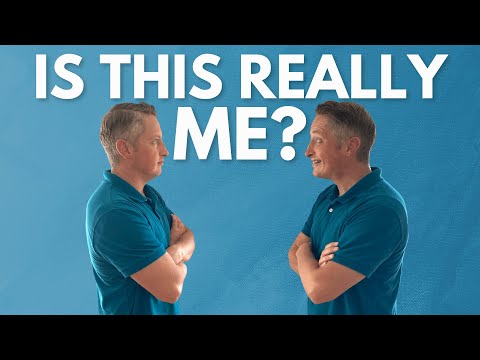
Hey, have you ever felt like you’re two different people? Like, one minute you’re super chill and the next, it’s like a switch flips, and you’re someone else entirely?
It can be confusing. You might think it’s just stress or a mood swing. But what if there’s more to it?
Sometimes our minds play these little tricks on us. It’s not as wild as it sounds; life can get intense, and we all cope in different ways.
If you’ve been feeling kind of scattered lately—like a character in a movie with multiple storylines—well, you might be experiencing something called dual personality. Curious yet? Let’s take a closer look at some signs that might help you figure it out!
Understanding Dual Personality Development: What Age Does It Typically Occur?
Understanding dual personality development is a complex topic, and it often involves various factors, including age. When people talk about «dual personalities,» they might be referring to Dissociative Identity Disorder (DID), or they could just mean they feel like they have different “sides” to themselves. Whatever the case may be, there’s a lot to unpack here.
First off, the development of a dual personality, if we’re thinking in terms of DID, typically happens during childhood. It usually surfaces in response to extreme stress or trauma—think abuse or severe neglect. Kids might start developing these separate identities as protective mechanisms. It’s their brain’s way of coping with something unmanageable at that age.
When does this usually happen? Studies suggest that signs can emerge as early as ages 5 to 12. However, it can sometimes go unnoticed for years—sometimes even into adulthood! Imagine being in your twenties and suddenly realizing you’ve got different parts of yourself that react in totally different ways depending on the situation. That could feel pretty overwhelming.
Here are some key points:
It’s super interesting how our minds work and try to protect us from pain. But let me tell you: having “multiple personalities” isn’t all about drama and chaos. Sometimes it’s just about feeling different emotions strongly at various times!
Think of it this way: imagine you’re at a party feeling super fun one minute but then suddenly feeling shy and withdrawn the next. It’s not so much that you’re two people; rather you’re showing different sides of yourself based on what’s happening around you.
If you suspect someone—maybe even yourself—is navigating this complex landscape, reaching out for help can make a world of difference! Therapy can help people understand their emotions better and find healthier ways to cope when things get tough.
So yeah, understanding dual personality development is not just about age but also context and experiences. It’s all about getting to know ourselves better!
Identifying Personality Alters: Key Signs and Self-Assessment Tips
When we talk about personality alters, we’re usually discussing what’s known as Dissociative Identity Disorder (DID). It’s a complex condition where a person can have two or more distinct identities or personality states. Each of these alters might have its own way of thinking, feeling, and behaving. If you’re wondering if you or someone you know might be experiencing this, let’s break it down.
Key Signs of Personality Alters
You might notice some specific signs that suggest the presence of different alters:
- Memory Gaps: Do you find yourself forgetting chunks of time? This can be more than just ordinary forgetfulness. For instance, maybe you don’t remember what happened during a night out with friends.
- Sudden Changes in Mood: One moment you’re chill, and the next you’re irritable or anxious. These emotions can feel like they come from nowhere!
- Different Mannerisms: You might notice that your speech changes dramatically when you’re in certain situations, almost like switching characters.
- Feeling Detached: Sometimes you may feel disconnected from your thoughts or body, almost like you’re watching yourself from outside.
- Diverse Preferences: You could suddenly find yourself liking things you’ve never enjoyed before—different music tastes or new hobbies showing up out of the blue.
So here’s something personal: I once met someone who would switch during conversations. One moment he was super serious about work; then he’d transform into this carefree jokester without missing a beat. It left his friends puzzled but also worried.
Self-Assessment Tips
If you’re thinking this might resonate with you, here are some things to consider:
- Journaling: Write down your feelings and thoughts regularly. Are there sudden shifts in how you describe experiences? Patterns can emerge over time.
- Trust Your Feelings: If something feels off—like when you’re alone and suddenly feel like someone else is taking over—pay attention to it!
- Tune Into Changes: Reflect on whether specific triggers bring out different sides of your personality. Maybe stress makes one alter come out more than another.
- Create Safety Plans: If an alter feels threatening or overwhelming, having plans for grounding yourself can help navigate these experiences safely.
And hey, it’s important to approach this with compassion for yourself. Figuring out how to understand these sides can take time—and that’s okay.
If you think any of this sounds familiar, reaching out to a mental health professional could really help clear up the confusion and provide support tailored just for you. Remember that grappling with identity can involve deep emotions and complex histories. It’s totally okay to seek help when you need it!
Identifying the Warning Signs of Multiple Personality Disorder: A Comprehensive Guide
Multiple Personality Disorder, now known as Dissociative Identity Disorder (DID), is pretty complex. It’s not just about switching personalities; it’s a deep dive into how trauma affects the mind. You might be wondering what the warning signs are if you or someone you know could be experiencing this.
Changes in Identity can be one of the first signs. If you notice feeling like a different person at times, or like there are parts of yourself that feel completely separate, it might raise some flags. Picture someone who suddenly takes on a different name or a totally different way of speaking, almost like they’re transforming into someone else.
Then there’s gaps in memory. You know those moments when you can’t recall what happened during a certain time frame? Folks with DID often have significant memory lapses about personal information or events that don’t make sense. For instance, maybe you find yourself in places you’ve never been or wearing clothes that feel foreign to you.
Another interesting sign is altered behavior. Like, if your mood swings from super happy to totally down without much reason—this could indicate that another personality has taken control for a bit. Imagine being at a party and suddenly feeling angry or anxious without knowing why — that’s a clue something’s up.
And then there are the emotional shifts. People with DID might experience intense feelings that seem disconnected from their current situation. You could find yourself crying uncontrollably over something trivial—or laughing at times when it feels inappropriate.
A lot of people with DID also report derealization and depersonalization. Sounds fancy, right? But it basically means feeling detached from reality or observing yourself from outside your body. Like watching yourself in a movie instead of living your life.
Finally, look out for self-destructive behaviors. Sometimes individuals may struggle with substance abuse or engage in risky activities as an escape from their internal chaos. If you notice these patterns becoming more frequent or severe, it’s worth talking to someone about it.
Remember, dealing with these signs can be tough but recognizing them is the first step toward understanding what you’re going through—or helping someone else understand their well-being better. If any of this resonates with you, reaching out to a mental health professional could be really beneficial.
You know, the idea of a «dual personality» or what some people call Dissociative Identity Disorder (DID) can sound a bit dramatic. But hang on for a sec. It’s more complex than just having two different sides to your personality. Imagine being at a party, and suddenly feeling like you don’t quite fit in, as if someone else is calling the shots. That’s kind of how it feels for someone dealing with this condition.
There are some signs that might show you’re experiencing something like this. First off, you might find yourself having gaps in memory. One minute you’re at work, and the next thing you know, it’s Monday and you’ve lost the whole weekend—like where did it go? You might feel like there are times when you’re acting in ways that seem completely out of character. Maybe you’re usually shy but then one night you’re bold and reckless, like you’ve channeled a totally different person.
Another thing is how your emotions can switch up on you without warning. You’re feeling fine one moment, then suddenly overwhelmed with sadness or anger that doesn’t seem to fit the situation at all. It’s like your mind is playing tug-of-war with your feelings.
I remember talking to a friend who described her experiences as if she were wearing different masks throughout her day; she’d wake up feeling like one person but by lunch be someone entirely different—confusing, right? She was scared at first because she thought she was losing herself bit by bit.
And then there’s the whole sense of detachment from yourself, which can feel super unsettling—like watching your life unfold from behind glass. You’re there physically, but emotionally? You’re miles away.
If any of this sounds familiar or resonates with what you’ve been feeling, consider reaching out to someone who gets it—a therapist or counselor can really help untangle all those mixed-up feelings and thoughts. It’s not about labeling yourself; it’s about understanding what you’re going through so you can take steps toward feeling more whole again. We all have our struggles; recognizing them is the first step toward healing!