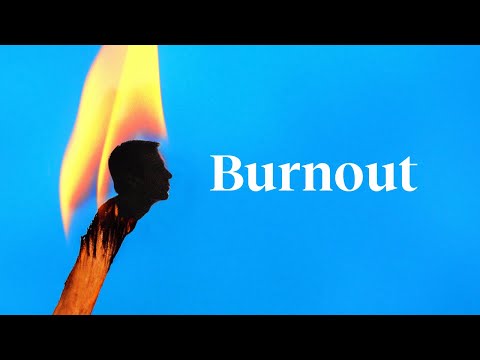
Hey, you ever feel completely drained and just… over it? Like everything has become too much, and you’re stuck in this endless loop of exhaustion? Yup, that’s emotional burnout kicking in.
It can sneak up on you, too. One minute you’re thriving, and the next you feel like a zombie walking through life. Not cool, right?
Sometimes it’s tough to even tell if what you’re feeling is burnout or just a bad week. But don’t worry! You’re not alone in this. Lots of folks experience it, especially in the mental health world.
So let’s chat about recognizing those signs of burnout. Trust me, spotting them is the first step to taking back your energy and happiness. Sounds good?
Identifying the Symptoms of Mental Burnout: Signs You Need to Know
Mental burnout is one of those things that kinda sneaks up on you. It’s like you wake up one day and just feel… well, empty. You’re not alone in this. Many folks go through it, especially when life gets overwhelming, whether it’s work, school, or even personal challenges. Here’s the deal: recognizing the symptoms can make a world of difference.
So, let’s break down some common signs you might be dealing with mental burnout:
- Constant Fatigue: Ever feel like you’ve run a marathon without moving an inch? That’s how fatigue from burnout feels. You might be getting enough sleep but still wake up feeling exhausted.
- Increased Cynicism: You might start feeling negative about your job or responsibilities. Things that once excited you now seem dull and pointless. Like when you used to love hanging out with friends but now just want to stay in bed instead.
- Difficulty Concentrating: Your mind feels foggy, making it hard to focus on tasks or maintain attention during conversations. It’s like trying to watch TV with someone constantly changing the channels!
- Physical Symptoms: Stress can take a toll on your body too—headaches, stomachaches, or even unexplained aches and pains can pop up. It’s frustrating because your body might be telling you something isn’t right.
- Feeling Overwhelmed: Simple tasks start feeling insurmountable. You may think about everything piling up and just freeze instead of taking action.
- Isolation: This is tricky because sometimes people withdraw from social activities that used to bring them joy. You find yourself making excuses for not hanging out, even if deep down you miss it.
- Irritability: You might snap at loved ones over little things that wouldn’t normally bother you at all. It can feel like your patience has worn thin and you’re running on fumes.
Look, I’ve seen friends go through this stuff too. One of my buddies hit a wall after working non-stop for months; he’d come home completely drained every night but still felt he couldn’t take a break because everything seemed so critical at work. Then one day while we were grabbing coffee, he suddenly burst into tears over something totally unrelated—it was then we both realized how burnt out he had become.
Taking notice of these signs early on can help prevent burnout from taking over your life completely. If you see yourself nodding along as you read this list, maybe it’s time to pause and reflect on what changes could help—and don’t hesitate to reach out for support when needed! Remember: taking care of yourself is not selfish; it’s essential for overall well-being!
Recognizing the Signs of Emotional Burnout: Key Indicators to Watch For
Emotional burnout is like that feeling when you’ve been running on empty for too long. You know, when you wake up and just don’t want to get out of bed? Yeah, it can hit hard. This isn’t just about being tired; it’s a total mental and emotional exhaustion. So, how do you recognize it? Let’s break down some key indicators to watch for.
1. Constant fatigue
First off, if you’re feeling drained all the time, like someone pulled the plug on your energy, that’s a red flag. It’s not just about lack of sleep; it’s more like even after a good night’s rest, you’re still running on low battery.
2. Irritability
You might find yourself snapping at people more often—a friend says something innocent and you explode over nothing. Seriously, if you’re becoming easily annoyed or frustrated with the little things, that could signal burnout creeping up on you.
3. Lack of motivation
When tasks that used to excite you suddenly feel overwhelming or pointless—that’s a big sign. Like if you used to love your job or hobbies but now dread even thinking about them? Yeah, that’s not normal.
4. Detachment
Feeling disconnected from friends or family is another warning sign. If social events once brightened your day but now seem like an obligation or even cause anxiety, pay attention!
5. Physical symptoms
Sometimes burnout shows up in physical ways too—headaches, stomach issues, or even muscle tension can all manifest because of emotional stress. When your body starts sending these signals, don’t ignore them!
6. Trouble concentrating
If focusing feels impossible and simple tasks suddenly become major mountains—where did your brain go? That foggy head feeling can be frustrating and is definitely something to keep an eye on.
7. Feelings of hopelessness
And then there’s this heavy sense of doom or hopelessness that can sneak in too. If everything feels bleak and there’s no light at the end of the tunnel—this kind of negativity can really take its toll.
Knowing these signs is super crucial because if left unchecked, burnout can lead to serious mental health issues down the line—things like depression or anxiety disorders can flare up when you’re already stretched thin.
It’s important to talk about what you’re feeling if anything resonates here! Seriously: reaching out to someone who understands can be so helpful; whether it’s a friend, a family member, or a professional—it doesn’t have to be faced alone! Taking these signs seriously means taking care of yourself—and that’s always worth it!
Understanding Emotional Burnout: Signs, Causes, and Coping Strategies
So, emotional burnout, huh? It’s a real thing and so many people just brush it off or think they can power through it. But first off, let’s get on the same page about what emotional burnout actually is. Basically, it’s like feeling totally drained because of stress from various aspects of life—like work, family, or even personal expectations. It can creep up on you slowly or hit you like a freight train.
Signs of Emotional Burnout are sneaky. You might notice:
- Exhaustion: You feel tired all the time, even after sleeping.
- Irritability: Little things annoy you more than usual.
- Cynicism: You start doubting yourself and others.
- Reduced performance: Tasks seem harder than they used to be.
- Withdrawal: You start isolating yourself from friends and family.
Let me tell you a little story here. I had a friend who was super passionate about her job as a teacher. She loved shaping young minds and being there for her students. But after a couple of years without much break, she started feeling emotionally exhausted. Instead of enjoying her work, she felt angry at kids for being noisy or parents for complaining all the time. She ended up taking time off just to recharge her batteries.
Now let’s talk about causes. Emotional burnout can stem from several sources:
- Work overload: Too many responsibilities without enough resources can lead to that overload feeling.
- Lack of control: If you feel powerless in your situation, it just adds to the frustration.
- Poor work-life balance: If you’re always working and not making time for yourself, things can get dicey.
- Unrealistic expectations: Putting too much pressure on yourself—or having others do it—can lead to burnout fast.
Seeing my friend go through that opened my eyes to how important balance is in life—a lesson I learned the hard way myself when I found myself snapping at everyone during busy seasons.
Coping strategies? Yep, got some ideas for that too!
- Create boundaries: Set clear limits between work and personal life. Don’t answer emails during dinner!
- Pace yourself: Break tasks into smaller pieces so they don’t feel overwhelming.
- Self-care: Engage in activities that make you happy—hiking, reading, whatever floats your boat!
- Talk it out: Share your feelings with someone you trust; sometimes just voicing what you’re going through helps lighten the load.
And remember my friend? She eventually took up yoga classes and started regular coffee dates with friends again. Just taking those small steps made her feel more grounded.
Look, recognizing emotional burnout in your own life might take some time; it’s definitely not something we tend to notice immediately. But paying attention to how you’re feeling is key. We’ve all had those moments when it feels like life is closing in on us—being aware allows us to take action before things spiral out of control.
So yeah, emotional burnout isn’t just “tired.” It’s way deeper than that—it’s an emotional depletion that deserves attention! Getting help or making small changes can make a world of difference in feeling more balanced again.
Emotional burnout is one of those things that can creep up on you when you least expect it. You’re going about your life, juggling work, relationships, and maybe a few hobbies. Then suddenly, you feel completely drained. I remember a friend of mine who was always the life of the party. But after a tough few months at work, she started talking less and showing less interest in things she used to love. It was like watching her fade away little by little.
So, what exactly does emotional burnout look like? Well, it’s not just feeling tired after a long week. You might find yourself getting easily irritated over small things or feeling overwhelmed by tasks that used to seem manageable. It’s like your brain is running on empty but still trying to push through anyway.
Another sign? Emotional numbness can sneak in too. Maybe you used to feel excitement about a project or happiness during family gatherings, but now everything feels flat or dull. You might even feel disconnected from yourself and others—it’s like being in a fog.
And let’s not forget about physical symptoms—like insomnia or headaches—because stress has this annoying way of manifesting in our bodies too. When I was burnt out once, I had this gnawing headache that just wouldn’t quit for weeks!
Look, recognizing these signs is crucial because if we ignore them for too long, burnout can spiral into more serious mental health issues like anxiety or depression. It’s super important to check in with ourselves regularly and ask: How am I really feeling? Am I just getting through the day?
If any of these resonate with you or someone you know, it might be time to consider some self-care strategies or even chat with someone who gets it—a therapist can help shine some light on those shadowy feelings we often hide from ourselves.
In the end, understanding emotional burnout isn’t about putting labels on our struggles; it’s about acknowledging our feelings and giving ourselves the grace we deserve to heal and recharge. Life’s tough enough without battling your own emotions alone!