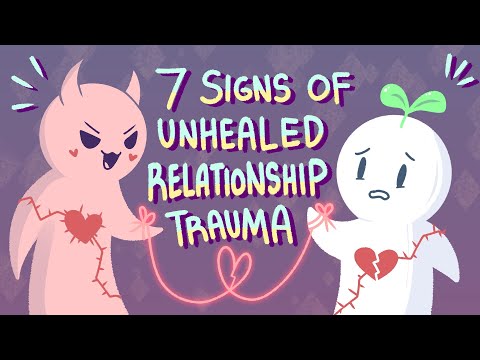
You know, relationships can be amazing. But, they can also get complicated real quick. Sometimes, we carry emotional baggage from past experiences, and it messes with our connections.
It’s not always easy to spot the signs of emotional trauma. You might notice your partner acting differently or even yourself feeling off. Like, why am I so anxious all the time?
Recognizing those signs can make a huge difference in how you relate to each other. So let’s talk about this—what to look for and how to start healing together. Because seriously, you deserve a relationship that feels safe and supportive!
Recognizing Relationship Trauma: Key Signs You’re Affected by Past Experiences
Recognizing relationship trauma can be tricky. It’s not like a broken bone that you can see or feel right away. Emotional scars run deep, and they can mess with how you connect with people. If you’re feeling something’s off in your relationships, it might be tied to past experiences.
First off, let’s talk about trust issues. Maybe you find yourself doubting your partner’s intentions or thinking they’ll hurt you like someone else did before. If that sounds familiar, that could be a sign of unresolved trauma. It can make you question every little thing they say or do.
Another key sign to look for is emotional triggers. You might react strongly to certain words or situations that just don’t seem like a big deal to others. For instance, if someone raises their voice and it sends you spiraling back to an old argument or abusive situation, that’s your trauma surfacing.
Then there’s the whole fear of intimacy thing. When you’ve been hurt in the past, it’s natural to build walls around your heart. You might find yourself pushing people away when things start getting serious because the thought of being vulnerable feels terrifying. It’s like standing on the edge of a diving board and being afraid to jump in.
Next up is communication problems. Have you noticed that you’re either overly defensive or completely shut down during conversations? That can point back to previous experiences where communicating feelings led to conflict or pain. It makes sense you’d want to avoid that!
You should also keep an eye out for self-sabotage. Sometimes, when things are going well, you might panic and do something uncharacteristic—like starting a fight over nothing or pulling away emotionally. This behavior often stems from fear of being hurt again and trying to protect yourself before someone else gets a chance.
And let’s not forget about anxiety and depression. If you’ve noticed these feelings creeping into your life without any clear reason—especially in romantic contexts—it could be tied back to those past wounds. They often manifest as overwhelming sadness or relentless worry about losing someone again.
Finally, consider how much healing time you’ve had since those past experiences. If you’re still carrying around emotional baggage without having processed it, it’s likely affecting your current relationships in ways you’re not fully aware of.
To put things simply, recognizing these signs is crucial if you want healthier connections moving forward. It doesn’t mean there’s something wrong with you; it simply shows that you’re human and have lived through some tough stuff—you know? Taking time for self-reflection and seeking help from a therapist can really make a difference in working through these issues so you can have the fulfilling relationships we all crave!
Understanding Relationship Dynamics: How Trauma Impacts Behavior in Romantic Connections
Relationships can be a rollercoaster, right? Sometimes they’re filled with joy and connection, but other times, they can feel like you’re stuck in a loop of misunderstandings and hurt. Well, one major factor that plays a big role here is trauma—especially emotional trauma. It’s like an invisible backpack you carry around; it shapes how you relate to others without you even realizing it.
Emotional trauma often stems from experiences that deeply wound us—like betrayal, loss, or abuse. When this happens, our instincts kick in to protect us. But here’s the thing: these protective behaviors can sometimes create barriers in romantic relationships instead of helping them.
You might notice that someone who’s been through a lot may react strongly to minor issues. Say your partner snaps at you for being late to dinner. It might not seem like a big deal, but for them, that could trigger memories of past abandonment or lack of trust. So their reaction is less about the present moment and more about their unresolved past.
Another sign related to trauma responses is difficulty with intimacy. For some folks, getting close brings up feelings of fear or vulnerability connected to past pain. They might pull away just when things start heating up between you two. You could find yourself wondering if they really care, but the truth is—it’s about self-protection wrapped in old wounds.
When talking about relationship dynamics, communication styles matter too! Someone who has experienced trauma may communicate less directly or even avoid conflict altogether due to fear of escalation—a pretty understandable response considering their history! You might say something small during a conversation only to have them shut down completely, leaving you both confused.
And let’s not forget about trust issues! If someone has been hurt before—especially in love—it can be tough for them to fully trust again. It’s kind of like they have this safety mechanism switched on all the time. Your partner may second-guess motivations behind your actions or worry that you’re going to leave at any moment because that’s what they’ve experienced before.
It’s super important for both partners to recognize these signs and understand where they come from—because awareness can lead to empathy and healing together! You’re not just fighting against each other; you’re both navigating your own battles while trying to build something beautiful together.
So remember: understanding trauma’s impact on behavior isn’t just beneficial; it’s essential for fostering healthy connections in romantic relationships. By seeking help—like therapy or open dialogue—you can work through these patterns together!
In short:
Recognizing these dynamics allows partners to support each other more effectively and ultimately strengthen the bond they share. It takes effort but building a relationship on understanding feels way more rewarding than navigating misunderstandings alone!
Recognizing Unhealed Trauma: Its Impact on Relationships and Emotional Well-Being
Trauma is a heavy word, isn’t it? It can sneak up on you in ways you might not even notice. Unhealed trauma affects how you relate to yourself and to those around you. Think of it like carrying an invisible backpack filled with rocks—each one representing some hurtful experience from the past. Over time, the weight can become unbearable.
When you haven’t processed trauma, it can play out in your relationships in pretty surprising ways. You might find yourself overreacting to small issues, or feeling constantly on edge. For example, let’s say your partner forgets your anniversary. Instead of feeling disappointed, you suddenly feel completely abandoned or unworthy. That’s trauma talking.
Signs of Unhealed Trauma in Relationships:
- Trust Issues: You might second-guess your partner’s intentions or believe they’ll leave you without reason.
- Emotional Shutdown: When things get tough, you might close up like a clam instead of opening up about what’s bothering you.
- Avoidance: You could steer clear of conversations that matter, especially if they remind you of past pain.
- Poor Communication: Sometimes everything feels so overwhelming that explaining what you’re going through seems impossible.
This doesn’t just affect romantic relationships; it stretches into friendships and family dynamics too. Picture growing up in a chaotic home where love was conditional. You might grow into adulthood always waiting for the other shoe to drop whenever someone gets close to you. That fear can prevent real intimacy because you’re always afraid someone will hurt or abandon you again.
Your emotional well-being is closely tied to how unresolved trauma manifests itself as well. Ever felt like a storm cloud just won’t lift? Or had days when nothing seems enjoyable? That may be lingering effects from old wounds still trying to heal.
The Ripple Effect:
- Anxiety and Depression: These can blow up outta nowhere when old memories resurface unexpectedly.
- Low Self-Esteem: If your inner critic is always yelling at you—thanks to past experiences—it becomes hard to see your value.
You know those moments when the past feels so far away but yet so close? That’s the trick with trauma; it doesn’t know how to stay buried sometimes. A simple trigger—a smell, a song, even a place—can send waves crashing back into your present life.
If any of this resonates with you (and let’s be honest, many people feel this way), talking things out with someone—a therapist or counselor—can really help clear some of that fog away. They’re trained to help untangle those experiences from who you’ve become today.
The thing is: recognizing unhealed trauma is just the first step toward healing. It takes time and compassion—including self-compassion—to truly move forward and rebuild those connections with others and yourself
.
You know, emotional trauma can really mess with relationships in ways we don’t always see coming. I remember a friend of mine, Sarah. She went through a rough breakup that left her feeling pretty shattered. For months, she seemed fine on the surface, but deep down? It was a different story. She started getting anxious when things went well in her new relationship, almost waiting for the other shoe to drop.
That’s one sign right there—feeling scared or anxious when things are going okay. You just never know what might trigger those feelings. You might notice that when someone brings up past experiences, they get super quiet or defensive, like they’re bracing for an emotional punch. Trust me, if you see that in someone you care about (or maybe even yourself), it’s worth digging a little deeper.
Another sign is sudden mood swings or outbursts over little things. Let’s say you’re having a casual conversation, and your partner flips out over something minor. It could be that something buried is bubbling up to the surface again—something they thought they dealt with but clearly hasn’t been resolved yet.
And don’t overlook physical symptoms either; sometimes trauma manifests as headaches, stomach issues—or just this overwhelming feeling of being on edge all the time. If you or someone you love feel like this regularly? That’s definitely a signal something isn’t right.
Being aware of these signs isn’t about playing detective on your loved ones—more like showing care and understanding as they navigate their own emotional landscapes. It’s tough to bring it up sometimes because people can be touchy about their pasts. But creating a space where it’s safe to talk about feelings can make all the difference.
Ultimately, recognizing these signs means opening yourself up to conversations no one really wants to have but are so crucial for healing and moving forward together. So if you think someone might be dealing with emotional trauma in your relationship—or if you’re feeling it yourself—don’t shy away from talking about it! It could lead to some serious growth and connection down the line.