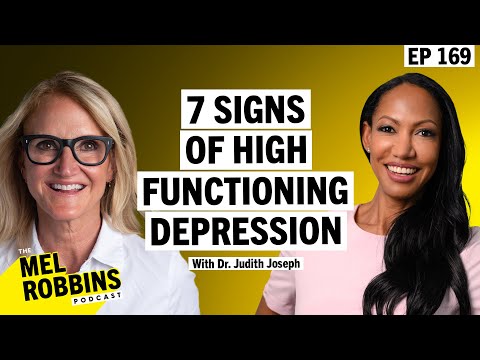
You know that feeling when you’re just… going through the motions? Like, everything looks alright on the outside, but inside, you’re kinda struggling?
That’s high-functioning depression for you. It’s sneaky, like a ninja hiding in your everyday life. Seriously, you might be crushing it at work or school, but still feel this weight in your chest.
People often think depression means lying in bed all day and not being able to do anything. But high-functioning depression flips that idea upside down. You can be busy and still feel like something’s just not right.
Let’s chat about how to spot it. It might help you or someone close to you realize what’s really going on behind the scenes.
Recognizing High-Functioning Depression: Signs, Symptoms, and Self-Assessment Tips
High-functioning depression, often referred to as **dysthymia**, can be pretty sneaky. You might be going through life, doing your thing, but still feeling kinda blah inside. You might not even realize that you’re dealing with it. So, let’s break this down a bit.
What is High-Functioning Depression?
It’s like putting on a mask every day. You wake up, get dressed, maybe go to work or school, and everything looks fine on the outside. But inside? You’re struggling. It’s not the same as major depression; you might still be able to function in daily life. However, there’s a lingering sadness that seems to stick around.
Signs and Symptoms
So, what should you look out for? Here are some common signs:
- Chronic sadness: Feeling low for a long time—sometimes years—can be a big red flag.
- Lack of interest: You used to love painting or watching movies with friends, but now it feels like too much effort.
- Fatigue: Constantly feeling tired? Like you’ve got a weight on your chest that makes even getting out of bed hard?
- Irritability: Small things starting to annoy you more than usual? That can happen.
- Difficulties concentrating: Finding it hard to focus or make decisions? It’s like your mind is covered in fog.
- Perfectionism: Holding yourself to unrealistic standards while feeling like you’re always falling short? Yeah, that’s part of the package.
Recognizing these signs in yourself doesn’t mean there’s something wrong with your character or strength; it often means you’re human and dealing with something tricky.
Anecdote Time
A close friend of mine struggled with high-functioning depression for years. On the outside, she was the life of the party—always smiling and cracking jokes—but privately she felt empty. She’d come home after social events and just crash emotionally. It took her some time to realize what was happening and seek help.
Self-Assessment Tips
If any of this rings a bell for you, here are some tips to help self-assess:
- Breathe and Reflect: Set aside time each week for self-reflection. Ask yourself how you’ve been feeling overall.
- Penned Thoughts: Try journaling about your emotions daily. Writing things down can sometimes make them clearer.
- Mood Tracking: Use an app or simple mood chart to see if there are patterns in your feelings over time.
- Candid Conversations: Talk openly with someone close about how you’ve been feeling—you might uncover more than you expect!
Getting real about your feelings is tough but super important if you’re feeling overwhelmed by sadness even when everything seems okay on the surface.
Remember: if this sounds familiar and you’re struggling with high-functioning depression, reaching out for support is key! There’s no shame in seeking help from professionals who can guide you through this maze—therapy can be really helpful for sorting through everything together.
So take care of yourself out there! You deserve it!
Understanding the Key Differences: ADHD vs. High-Functioning Depression
Understanding ADHD vs. High-Functioning Depression
So, you might be wondering how ADHD and high-functioning depression stack up against each other. They can look kinda similar at first, but they have some key differences that are really important to recognize.
ADHD (Attention-Deficit/Hyperactivity Disorder) is primarily about difficulty with attention, impulsivity, and hyperactivity. It usually kicks in during childhood but can stick around into adulthood. You know that feeling when you’re trying to focus on something but the smallest distraction pulls you away? That’s classic ADHD behavior.
- Symptoms include: Trouble staying focused on tasks, being easily distracted, or acting without thinking—like interrupting people during conversations.
- Emotional impact: People with ADHD often feel frustration when they can’t keep up with the demands of daily life.
On the flip side, high-functioning depression is a bit trickier to spot because it doesn’t always look like typical depression. You might be going through your day-to-day life—working a job, meeting friends—but inside you feel empty or exhausted. It’s like you’re wearing a mask.
- Symptoms include: Feeling sad or hopeless most of the time but still managing daily tasks.
- Emotional impact: You might feel unfulfilled or constantly tired despite everything looking fine on the outside.
I remember a friend of mine who seemed to have it all together—great job, nice apartment—but she’d tell me how hard it was just to get out of bed some mornings. She was crushing it at work but felt this constant weight holding her down.
Now, let’s talk about how these two conditions affect daily life differently.
For someone with ADHD:
– Tasks can feel overwhelming due to disorganization.
– They might jump from project to project without finishing anything.
– Social interactions can be tough since they may interrupt or miss social cues because they’re distracted.
In contrast, a person dealing with high-functioning depression may:
– Appear successful on the outside while feeling like they’re just going through the motions.
– Experience low energy and motivation affecting their passion for things they once loved.
– Keep pushing through even when their mental health is taking a hit; people often say “you’re doing so well!” not knowing what’s really happening underneath.
It’s vital to approach both conditions with compassion and understanding. They require different strategies for support and treatment. While ADHD often benefits from structure and sometimes medication helps with focus, high-functioning depression may need more emotional support or therapy centered on finding joy again in life.
So yeah, if you notice some signs in yourself or others—whether it’s trouble focusing or that feeling of just getting by—it could be time for a deeper look into what’s going on emotionally. Remember: recognizing these signs early can lead to better coping strategies and overall well-being!
10 Key Signs of a High-Functioning Individual: Understanding Their Unique Traits
High-functioning depression is one of those tricky conditions that can totally fly under the radar. Just because an individual seems to be doing well on the outside doesn’t mean they’re not struggling internally. So, let’s chat about some key signs that indicate a high-functioning person might be dealing with this kind of depression.
- Consistent Productivity: These individuals often have a solid routine. They go to work every day, meet deadlines, and juggle responsibilities like champs. But beneath that shiny surface, they might feel exhausted or unfulfilled.
- Masking Emotions: A high-functioning person might crack jokes or smile even when they’re hurting inside. You see them laughing it up at dinner parties, but when night falls, they might feel alone with their thoughts.
- Achievement-Focused: They often have impressive resumes or accolades but still feel a sense of emptiness. It’s like running on a hamster wheel—always busy but never really satisfied.
- Overthinking: High-functioning folks frequently replay scenarios in their minds. You know the type who takes hours to decide on dinner because they’re worried about disappointing others? That constant analysis can drain their energy.
- Coping Mechanisms: Many resort to coping strategies that look good on paper but may not be healthy in practice. For instance, they might turn to caffeine or late-night binge sessions instead of dealing with their emotions head-on.
- Isolation Tendencies: Even though they appear social and engaged during the day, many prefer to retreat into solitude at night. It’s like two worlds—one where they shine and another where they hide from everything and everyone.
- Anxiety Symptoms: Often intertwined with high-functioning depression are symptoms of anxiety. You might catch them fidgeting or becoming overly concerned about things that others brush off easily.
- Cynicism or Pessimism: Despite their achievements, there can be a sense of hopelessness lurking within them. They may voice strong opinions about how life is unfair, despite seeming successful from the outside.
- Difficulties in Relationships: Maintaining relationships can become challenging for high-functioners. They may struggle with intimacy because letting people in feels vulnerable and scary.
- Persistent Fatigue: Even if they’re functioning well during the day, these individuals often feel mentally drained by evening time. They may need extra downtime just to recharge from all the emotional labor they’ve put in!
The thing is, just because someone seems high-functioning doesn’t mean they’re not battling personal demons behind closed doors. Recognizing these traits can help us understand not only ourselves but also those around us better.
You know, when you think about depression, you might picture someone who’s, like, really down all the time, just kind of lost in their thoughts. But there’s this other side called high-functioning depression that can be super sneaky. It’s like wearing a mask that says everything’s fine while inside, you’re battling some serious feelings.
I remember a friend of mine who seemed to have it all together. She was always at work on time, smashing deadlines, and making those yummy treats for the office bake sale. But behind that cheerful face? A different story. She often felt exhausted, even when she got enough sleep. She’d joke about not having the energy for fun things—like going out for dinner or hanging out on weekends—yet she kept pushing through each day like a champ.
So what exactly is high-functioning depression? Well, it’s basically when someone meets their daily responsibilities but feels a constant sense of sadness or emptiness underneath it all. You could be the life of the party on the outside while feeling like you’re just going through the motions on the inside.
In everyday life, people might not notice at first glance since you can still manage to get up, go to work or school, and even maintain relationships. But small things start to slip through the cracks: maybe you’re withdrawing from friends or losing interest in hobbies that once brought you joy. You might find yourself feeling irritable or anxious more often than not.
The tricky part is recognizing these signs in yourself or someone else because they might be masked by that high-functioning appearance. It’s important to pay attention to those subtle cues: does your friend seem more tired than usual? Or are they always saying they’re “fine” but avoid eye contact?
Checking in with yourself is key here. If you’ve been feeling weighted down despite keeping up with everything around you, it might be worth exploring those feelings with someone who gets it—a therapist or even an understanding friend.
The thing is—it doesn’t have to be so heavy all the time unless we acknowledge and talk about it. So whether you’re noticing those signs in yourself or someone close to you has been acting differently lately, don’t brush it aside! Just remember it’s okay to ask for help or open up about what you’re really feeling underneath that mask. Life’s too short to pretend everything’s fine when it’s not!