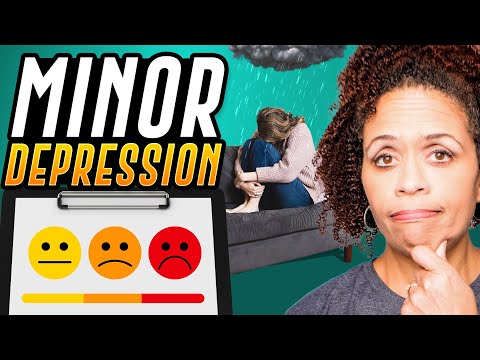
You ever feel like you’re just stuck in a fog? Like everything’s dull and colorless? Yeah, that can really suck.
Major Depressive Disorder isn’t just a passing phase. It’s like that annoying guest who overstays their welcome. You know, the one you want to kick out but can’t seem to?
Sometimes it’s hard to even notice when things shift in your mind. It’s sneaky, creeping up on you when you least expect it. But here’s the thing: recognizing those signs early can make a huge difference. And trust me—you’re not alone in this.
So let’s chat about what those signs look like, alright? It could be the first step toward feeling better.
Understanding Major Depression: Symptoms, Feelings, and Personal Experiences
Major Depression, or Major Depressive Disorder (MDD), is a heavy topic. Honestly, it can feel like a big cloud just hovering over you. If you’ve ever felt stuck in your room, unable to find joy in things that once made you happy, you might have an idea of what I’m talking about.
Symptoms of major depression are pretty varied but often include:
You see, these symptoms aren’t just one-offs. They hang around for at least two weeks—which is part of what makes them so heavy.
When dealing with major depression, the feelings can be complicated. Imagine this: You’re going out with friends but feel completely disconnected from everyone around you. It’s kind of like being at a party and watching everyone have fun from behind glass. There’s laughter and joy on one side while you’re stuck with your own thoughts on the other.
People experiencing these feelings often describe it as being in a deep pit—dark and isolating. I remember my buddy talking about how he’d wake up every day wishing he could just stay under the covers forever because facing the world felt overwhelming.
And let me tell you something real: It’s not always easy to recognize when you or someone else is struggling with major depression. Sometimes it’s masked by another emotion, like anger or frustration. Or maybe someone seems fine on the outside but inside, they’re in turmoil.
It takes navigating through these complexities to really get it. And many folks don’t even know they’re dealing with MDD until it starts affecting their everyday life—work, relationships, everything feels encoded with this weight.
Seeking help is crucial when you’re feeling this way—trust me on that! Therapy can be an amazing tool; having someone there who gets it can lighten your load a bit. Whether it’s cognitive behavioral therapy (CBT) or interpersonal therapy (IPT), different approaches work for different people.
And don’t forget about medication options if that’s something you’re considering—but hey, that’s more about working closely with healthcare providers and finding what clicks for you personally.
The thing is: if you’re facing major depression—or think someone close to you might be—it doesn’t define who you are as a person. You’re not alone in this fight; there are ways out of the fog!
So, let’s talk about recognizing the signs of Major Depressive Disorder. You know, it’s not always easy to spot, even when you’re living it. It can creep in like that uninvited guest who just won’t leave. Maybe you’ve felt a bit off for a while, but you brush it off, thinking it’s just a phase or something. But there’s more to it than that.
Imagine a friend who used to smile all the time suddenly stops laughing. They’re always tired and seem to have lost interest in the things they loved—like going out for coffee or binge-watching that favorite show together. In fact, I remember when my buddy Mia struggled with this for a while. She was always the life of the party, but then one day she just… wasn’t anymore. It was like someone hit pause on her vibrant personality. It hit me hard because I felt helpless seeing her like that.
You might notice persistent feelings of sadness or hopelessness creeping in as well—like you’re carrying this heavy backpack full of stones everywhere you go. And even simple tasks start to feel daunting; getting out of bed might take serious effort. There can also be changes in appetite or sleep patterns—some people overeat, while others lose their appetite altogether.
Another thing is irritability. Like, everything seems to annoy you more than usual—even the smallest things can feel infuriating! You could experience feelings of worthlessness or excessive guilt too; questioning if you’re enough or if you’ve messed everything up just feels… endless.
And don’t forget about those thoughts that pop up now and then—the ones that make everything seem pointless or overwhelming. It’s like your mind is playing tricks on you.
It’s crucial to talk about this stuff! If any of these signs resonate with you or someone close to you, reaching out for help is vital—seriously! There are professionals who genuinely want to help get through this fog together.
Seeing Mia eventually get help was such a relief for me; she started slowly coming back into her own light again! So remember: acknowledging these signs doesn’t mean you’re weak; it’s actually the first step towards feeling better again—and that takes real courage too!