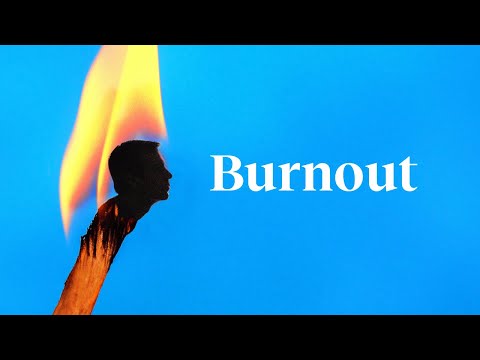
Hey you! Feeling wiped out lately?
I mean, like, really drained? It’s not just about being tired after a long day at work or staying up too late binge-watching your favorite show. There’s a difference between ordinary fatigue and something deeper. You know what I mean?
Sometimes it creeps in slowly, and before you know it, you’re running on empty. It can mess with your mood, your focus, and even how your body feels. Seriously!
Let’s chat about some signs that might just indicate you’re juggling a little too much—mentally and physically. Because honestly, recognizing those signs is the first step to getting back to feeling like yourself again. Sound good?
Understanding Mental and Emotional Exhaustion: Signs, Symptoms, and Relief Strategies
Mental and emotional exhaustion can feel like an endless fog, right? It’s that heavy blanket you can’t seem to shake off. You might find yourself drained, even after a good night’s sleep. Let’s take a closer look at what this really means.
Signs of Mental and Emotional Exhaustion
You might notice a few telltale signs creeping up on you. For instance:
Now, these signs can mesh together and make life feel seriously overwhelming.
Symptoms You Might Feel
Aside from the signs, there are symptoms that dig deeper into how this exhaustion impacts your everyday life:
So yeah, it can be pretty rough out there when you’re dealing with these symptoms.
Finding Relief from Exhaustion
Getting a grip on mental exhaustion involves actively finding ways to cope with it. Seriously! Here are some strategies that might help:
But hey, if you’re still feeling stuck after trying these things for a while, don’t hesitate! Reach out to someone who can help—maybe a therapist or counselor.
It’s important to understand that mental and emotional exhaustion is real; acknowledging it is the first step toward relief. You’re not alone in this—you follow me? With some time and care for yourself, things will start feeling lighter again.
Exploring the Connection: How Mental Fatigue Affects Physical Energy Levels
Mental fatigue is one of those sneaky things that can totally mess with your physical energy levels. You might not realize it, but when your brain is tired, your body feels it too. That’s the thing about mental and physical exhaustion; they’re pretty much best buds.
When you’re dealing with mental fatigue, it’s like running a marathon in your head without actually moving. Your thoughts can feel heavy, and tasks that were once simple now seem super overwhelming. This mental drain often shows up as a lack of focus or motivation—ever tried to read a book, only to find your mind wandering after a few pages? Yeah, we’ve all been there.
In fact, here are some signs that you might be experiencing both mental and physical exhaustion:
- Constant tiredness: You might feel sleepy throughout the day, even if you think you’ve had enough rest.
- Lack of motivation: Everyday tasks become chore-like. Getting out of bed can feel like climbing a mountain.
- Irritability: You may notice you’re more easily frustrated or annoyed by little things.
- Cognitive fog: It feels like you’re trying to think through molasses. Simple decisions become complicated.
- Physical symptoms: Headaches, muscle aches, or just feeling generally worn out.
Let me throw in an example: Imagine you had a long week at work where every problem landed on your desk. By Friday night, after all that brain-busting stress, you might find yourself crashing on the couch at 7 PM instead of hitting up that party with friends. It’s not just in your head—the constant stress takes a toll on your body too.
Now consider this: when you’re mentally drained, your body has to work harder to keep up with daily activities because it’s operating under this “survival mode.” This leads to feelings of lethargy—a sort of “I’d rather binge-watch my favorite show than take a walk” vibe.
So what do we do about it? Well, self-care becomes essential here! Incorporating breaks into your day for relaxing activities—like stretching or meditation—can help recharge both your mind and body. And don’t forget about good old-fashioned sleep!
In short: if you’re feeling stuck in the mud mentally, it won’t be long before physically you start dragging too. Keeping an eye out for those signs is super crucial. Your brain and body are linked more than you might think; treating one helps the other bounce back!
Revitalize Your Mind: Effective Strategies to Overcome Mental Fatigue
Mental fatigue is no joke. You know that feeling when your brain just feels heavy, like you’ve run a marathon without moving an inch? It’s a struggle many of us face, often manifesting as difficulty concentrating, constant tiredness, or just feeling overwhelmed by the smallest tasks. Here’s the thing: recognizing it is the first step, and from there, you can really start to revitalize your mind.
Let’s kick things off by identifying some common signs of mental and physical exhaustion:
- Lack of Focus: Ever tried reading a page, only to realize you’ve spaced out? Yeah, that’s mental fatigue.
- Irritability: When even little annoyances start to get under your skin, it might be time to check in with yourself.
- Physical Symptoms: Sometimes your body sends signals too—a headache or a pit in your stomach can mean you’re running on empty.
Now that we’ve got that down, let’s talk about some effective strategies to overcome this brain drain. Seriously, these can help bring back that fresh mindset you’re longing for!
- Take Breaks: Sounds simple, right? But stepping away from your screen or task for even 5-10 minutes can do wonders. Try some deep breathing exercises—close your eyes and take a few slow breaths. It totally changes the game!
- Get Moving: Physical activity releases endorphins—those happy hormones! Even a short walk outside can help clear your mind. Remember how you felt after recess back in school? It’s kind of like that!
- Practice Mindfulness: This means being present in the moment without judgment. You don’t need to meditate for hours; just try sitting quietly and focusing on what you hear or feel around you.
- Simplify Tasks: If something feels overwhelming, break it down into bite-sized pieces. Instead of “I need to clean my entire room,” say “I’ll start with my desk.” Small wins add up!
- SLEEP! Seriously though, getting enough quality sleep at night is crucial. Your brain needs time to recharge. Try to create a sleep routine; keep it dark and cool when you’re trying to catch those Z’s.
A little personal story here—I once hit this wall where no matter how much coffee I drank or how early I woke up, I couldn’t shake off the fog. It was tough! What worked for me was setting aside time each day just for myself—no work distractions allowed! After a week of taking breaks and unwinding before bed, things slowly started looking much brighter.
If these feelings persist or are impacting daily life significantly—don’t hesitate to reach out for help! Talking with someone who gets it can make all the difference.
The key takeaway? Just remember that mental fatigue is temporary and there are ways through it! By implementing simple strategies daily, you give yourself the space needed to rejuvenate your mind—no fancy tricks required!
You know, there are times when you just feel completely wiped out. Like, even getting out of bed feels like running a marathon. It’s wild how both our brains and bodies can throw up some serious flags when they’re feeling overwhelmed. So, let’s chat about some signs you’re hitting that mental and physical exhaustion wall.
First off, have you noticed you’re way more irritable than usual? Maybe a text from a friend feels like an extra chore, or a small hassle makes you snap. That’s often your mind screaming for a break. It’s not just about being tired; it’s like your brain’s response system is on high alert all the time, which can be exhausting in itself.
And what about sleep? If you find yourself tossing and turning at night or waking up feeling even more drained than when you hit the pillow, that’s definitely a sign something’s off. Sometimes I lay down and my brain starts racing with thoughts—“Did I return that email?” or “What am I forgetting?” Ever been there? It can turn into this vicious cycle where lack of sleep leads to deeper fatigue.
Another thing to keep an eye on is your motivation. If you used to joyfully go for runs or binge-watch your favorite shows but now can’t muster up the energy for either—well, that can signal burnout too. I remember feeling like that after a long stretch at work; I loved painting but suddenly it seemed so pointless. That feeling takes away not only your energy but the things you genuinely love.
Physical signs are huge here too! Muscle tension or unexplained headaches are telltale signs saying it might be time to take a breather. Honestly, sometimes we hold onto stress without even realizing it until our bodies start protesting!
Food cravings can also change. You might switch between eating everything in sight or having zero appetite at all—like when I’m stressed over deadlines and suddenly want nothing but junk food as some sort of comfort. It feels okay in the moment but eventually leads to more fatigue.
And let’s not forget the emotional rollercoaster! If anxiety creeps in more often or if you feel constantly downcast? That could mean your mental battery is running low too.
So yeah, recognizing these signs is super important. If any of this resonates with you—or if you’re just plain worn out—it might be time for some self-care or even chatting with someone who gets it, like a friend or therapist. Seriously, don’t wait until you’re completely burnt out before reaching out for help! Taking care of yourself should always come first—at least that’s what I keep telling myself anyway!