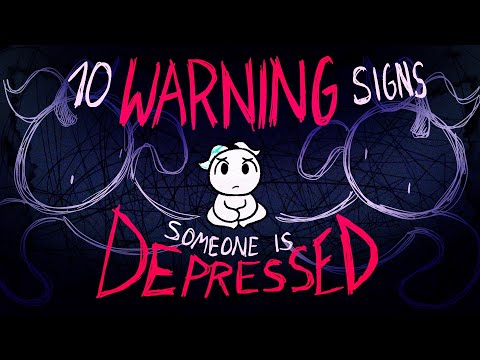
You know those days when you just feel kinda… off? Like, you’re not sad, but you’re not totally okay either? Seriously, it happens to all of us.
Minor depression can sneak in like an uninvited guest. You might not see it coming at first. Then, boom! You’re scrolling through your phone instead of hanging out with friends or binge-watching your favorite show feels like a chore.
And it’s easy to brush it off. “I’m just tired,” you might tell yourself. But these little signs could be telling you something important about your mental health.
Let’s chat about those subtle hints in our daily lives that might mean more than we realize. After all, being aware can help us take better care of ourselves, right?
Understanding Depression: Recognizing Its Signs and Symptoms in Daily Life
Depression can be a sneaky little monster. It often creeps up on you, like that one friend who overstays their welcome. You think you’re just having an off day, but then the feeling lingers and even gets worse. You might be wondering, “Is this just me being moody or could it actually be something more?” Well, let’s chat about recognizing the signs of depression in daily life, especially those subtle signs of what folks sometimes call **minor depression**.
First off, what does minor depression look like? It’s not always the dramatic breakdown we see in movies. Often, it shows up in everyday moments. You might feel a little **more tired than usual**. Seriously, think about it. Are you finding it hard to get out of bed even when you had a decent amount of sleep? That nagging fatigue can wear you down over time.
Another thing to keep an eye on is your **mood fluctuations**. Sure, everyone has ups and downs, but if you notice that you’re stuck in a cycle of negative thoughts or feeling irritable for no clear reason, that could be a red flag. Think about how your mood swings affect your interactions with people around you—you might snap at someone when they innocently ask how your day is going.
Then there’s the whole motivation aspect. You know those days when doing basic chores feels like climbing Mount Everest? If tasks that used to bring you joy—like cooking or going for a walk—now feel burdensome or pointless, that’s not just laziness; it might hint at something deeper going on.
And let’s talk about **social withdrawal**. Have you found yourself skipping out on plans more often? When was the last time you hung out with friends or even replied to their texts? It can be super tempting to isolate yourself when you’re feeling down. But remember: connection helps lift our spirits!
On top of all this, there are physical symptoms too—it’s not all just mental gymnastics. Things like headaches, stomachaches or even changes in appetite can signal that something’s off. If you’ve been reaching for snacks more frequently than usual or suddenly become disinterested in food altogether, pay attention to those changes.
In many cases, minor depression can include feelings of **hopelessness**—that nagging thought that things aren’t going to get any better. This isn’t just pessimism; it’s like wearing foggy glasses—you can’t see clearly and everything seems drab and dreary.
Now let me share a quick story here: I once had a friend who was usually full of energy and laughter but started pulling away from everyone without realizing it herself. She stopped engaging with hobbies she loved and often declined invitations from us—“Not today” became her go-to excuse. It wasn’t until she reflected back on how she felt every day that she recognized these patterns as signs she needed some help.
So what should you do if any of this sounds familiar? Talk to someone! Whether it’s a trusted friend or a professional therapist who gets what you’re navigating through—it can help so much! Opening up about how you’re feeling is vital because bottling up emotions never works out well for anyone.
Remember: depression doesn’t have to look like sadness. Sometimes it hides behind fatigue and irritability or makes us pull away from those we love most. The key is awareness—you’ve gotta recognize these subtle hints before they turn into something bigger.
If you’re noticing these signs creeping into your life regularly, it’s totally worth exploring further—because feeling better is absolutely possible!
Understanding Minor Depression: Symptoms, Causes, and Coping Strategies
Minor depression, or what some folks might call **dysthymia**, is like that annoying cloud that hangs over you without fully blocking out the sun. It’s not as intense as major depression, but it can still mess with your daily life. Recognizing the signs can be tricky, though, since they often sneak up on you.
Symptoms of Minor Depression can vary from person to person, but here are a few common ones to look out for:
- Persistent Sadness: You might feel down for most days over at least two weeks.
- Low Energy: Even simple tasks feel like climbing a mountain.
- Changes in Sleep: Maybe you’re sleeping way too much or struggling to get a good night’s rest.
- Lack of Enjoyment: Things you used to love suddenly seem dull or uninteresting.
- Irritability: You might snap more easily than usual over little things.
So, what causes this lingering funk? Well, it can stem from various sources. Stress and loss are huge players. For instance, if you recently went through a breakup or lost your job, it could trigger those sad feelings that just won’t quit.
Biological factors also play a role. Your brain chemistry might be off balance—serotonin levels, for example—leading to those pesky minor depression symptoms. Genetics can also come into play; if there’s a family history of mood disorders, you could be more vulnerable.
And don’t forget about the impact of lifestyle choices! Poor diet or lack of exercise can amplify feelings of sadness—so watch out for how you’re treating your body.
Now let’s chat about some coping strategies because dealing with these symptoms doesn’t have to be an uphill battle.
- Talk It Out: Sharing what you’re going through with someone—like a friend or therapist—can help lighten the load.
- Create Routines: Structure in your day-to-day life can provide stability when everything feels wobbly.
- Simplify Your Goals: Break tasks down into smaller bits so they don’t feel overwhelming. Even getting out of bed is an accomplishment!
- Pursue Joyful Activities: Make time for hobbies or things that make you smile—even if it feels forced at first.
- Caring for Your Body: Eat well and stay active; even a walk outside can boost your mood!
It’s super important to recognize these signs early on. Ignoring them often just lets this cloud linger longer than necessary. If it starts feeling unbearable or lasts too long, reaching out for professional help is key.
Minor depression may sound less severe than its bigger cousin major depression, but living with even mild symptoms week after week isn’t easy. Just remember: you’re not alone in this struggle. A little self-awareness and intentionality goes a long way in managing those gray days!
Uncovering Hidden Signs: Lesser-Known Symptoms of Depression You Shouldn’t Ignore
So, when we think about depression, we often picture the classic signs: feeling sad, tired all the time, or just lacking interest in things. But there’s a whole world of lesser-known symptoms that can fly under the radar and affect your daily life, right? Seriously, understanding these hidden signs can make a huge difference.
First up, have you ever felt this weird sense of emotional numbness? Like, you go through your day but nothing really hits you emotionally? You might laugh at a funny movie or smile at a friend’s joke, but deep down, it just feels flat. That’s not normal! It might mean you’re dealing with something more than just a bad day.
Another sign to keep an eye on is irritability. Yeah, it’s easy to blow off feeling cranky as just being stressed or tired. But if you find yourself snapping at people for little things—a dish left out or someone cutting you off in traffic—that’s your brain saying something’s off. It’s like your mind’s way of showing distress without going full-on sad mode.
- Changes in sleep patterns: This one’s pretty common but super sneaky. Are you sleeping way more than usual? Or maybe struggling to catch any Zs? Both extremes can hint that something deeper might be going on.
- Physical complaints: Sometimes depression takes form as unexplained aches and pains—like headaches that won’t budge or stomach issues. Your body often manifests what your mind is going through.
- Lack of focus: Ever notice how hard it is to concentrate lately? You might find yourself zoning out during conversations or forgetting tasks. This brain fog can seriously mess with your daily routine.
- Withdrawing from social circles: Sure, everyone needs some alone time now and then. But if you’re avoiding plans with friends consistently or canceling on things you used to enjoy, pay attention to that shift.
- A sense of hopelessness: Even subtle feelings like “It’ll never get better” can point toward depression. You might not feel outright despair but having that lingering doubt can be telling.
I remember a friend who seemed fine on the surface—going about life and doing her thing. But over time she got quieter and started skipping get-togethers. She brushed off her fatigue as “just being busy.» Turns out she was wrestling with these hidden signs of depression that she couldn’t quite put her finger on until it got really tough for her.
If any of this resonates with you or someone you know, it’s important not to ignore those signals! A key takeaway is that sometimes depression doesn’t look like sadness; it shows up in unexpected ways that seem small but pack a punch over time.
You don’t have to navigate this alone; talking about how you’re feeling with someone—a friend or a therapist—can help untangle the messy threads of those emotions!
You know, we often think of depression as this big, overwhelming thing, but sometimes it sneaks in quietly, almost like a shadow. With minor depression—or what some might call “dysthymia,” you can feel off without a clear reason. It can be so easy to overlook, especially when you’re busy with life.
I remember a time when I felt really low for weeks on end but didn’t even realize it at first. I’d wake up and just feel… blah. Not quite sad, but not happy either, like I was stuck in neutral. It wasn’t until I noticed that my once-favorite hobbies felt more like chores that something clicked. I hadn’t laughed at a joke in ages! And the simplest tasks—like getting out of bed or even showering—became these monumental hurdles.
So, what are the subtle signs? Well, you might find yourself feeling more fatigued than usual for no apparent reason. Like when you sleep a solid eight hours and still feel like you could nap all day. Or maybe your appetite changes—you’re either munching constantly or forgetting to eat altogether.
You might also notice your thoughts start to spiral towards negativity more often than not; it’s like your brain’s running a highlight reel of everything that’s wrong in your life. And let’s not forget about social withdrawal—when hanging out with friends becomes more of an effort than fun. You end up opting for Netflix over a night out; not because you’re tired, but because the idea of being around people feels draining.
If you’ve found yourself nodding along while reading this, don’t beat yourself up! It’s super common and totally okay to seek help if it gets too heavy. Sometimes just talking about it helps shake off some of that weight. Plus, recognizing those subtle signs is really the first step towards feeling better.
Life can get pretty hectic and noisy sometimes; learning to listen to those quieter signals is key for taking care of yourself. And who knows? A little self-awareness could spark some much-needed change!