So, here’s the thing. Becoming a parent? It’s like this wild rollercoaster ride. Seriously, one minute you’re on top of the world with that little bundle of joy, and the next? You’re drowning in feelings you didn’t even know existed.
Ever felt that overwhelming mix of love and anxiety? Yeah, it’s totally normal. But sometimes, those feelings can get a bit too heavy to handle.
That’s where perinatal depression comes into play. It sneaks in when you least expect it and can make those early days feel way harder than they should.
But don’t worry! Recognizing the signs can seriously help turn things around for better care—not just for you but for your baby, too. So let’s chat about what to look out for.
Effective Strategies for Managing Perinatal Depression: A Comprehensive Guide
Perinatal depression, which can affect you during pregnancy or after giving birth, is something that needs attention. It’s more than just the baby blues; it can seriously impact how you feel and function. Recognizing the signs is the first step in getting better care. You might be wondering, what are some effective strategies for managing this tough condition? Let’s break it down.
1. Talk to Someone
Connecting with someone about how you feel can be a game changer. Whether it’s a friend, partner, or therapist, sharing your emotions helps lighten the load. Seriously, don’t bottle it up! And if you’re feeling awkward about chatting with someone who hasn’t been through it, look for support groups where everyone gets what you’re experiencing.
2. Therapy
Cognitive Behavioral Therapy (CBT) has shown good results for many dealing with perinatal depression. It’s all about identifying negative thoughts and changing them into something more positive and realistic. You know when you catch yourself thinking things like «I’m failing as a mom»? CBT helps flip that script!
3. Medication
Sometimes medications like antidepressants might be necessary, especially if symptoms are severe or persistent. If that’s something you’re considering—like if everything feels too heavy to handle—don’t hesitate to talk it over with your healthcare provider. They can guide you on what’s safe during pregnancy or while breastfeeding.
4. Self-Care
Taking care of yourself sounds simple, but it’s often overlooked when you’re juggling motherhood! Make sure to eat nutritious meals and sneak in some physical activity when you can—maybe a walk outside with the baby? Even small steps really count!
5. Sleep Hygiene
Lack of sleep can worsen your mood significantly—so finding ways to improve sleep is key! Try creating a calming bedtime routine: dim lights, gentle music, or even reading a few pages of a favorite book can make all the difference.
6. Mindfulness and Relaxation Techniques
Practicing mindfulness can help ground you in overwhelming moments. Techniques like deep breathing or yoga (even prenatal yoga!) help calm your mind and body. Just taking ten minutes to breathe deeply each day may give you a little peace amidst the chaos.
These strategies aren’t just quick fixes; they’re ways to build resilience over time as well. It’s like nurturing that little seed of hope inside you—it takes time to grow strong and beautiful.
Remember this: seeking help isn’t a sign of weakness; it’s a powerful step toward healing. You’re not alone in this journey; countless others have walked this path before you and found their way through it all—so trust that brighter days await!
Recognizing Postpartum Depression: Key Signs and Symptoms Every New Parent Should Know
Recognizing postpartum depression (PPD) is like hunting for a hidden treasure—it’s out there, but not always easy to spot. You’d think after having a baby, joy would be the main feeling, right? But for some new parents, it’s not that simple.
Postpartum depression often sneaks in and can feel overwhelming. It’s important to know the key signs and symptoms so you can identify it early—whether it’s for yourself or someone close to you.
- Feeling Sad or Hopeless: You might feel a sadness that just doesn’t seem to lift. It’s not just the baby blues; it’s more profound and lingers longer than just a few days.
- Loss of Interest: Things you once loved—like hanging out with friends or even watching your favorite shows—might suddenly feel uninteresting or exhausting.
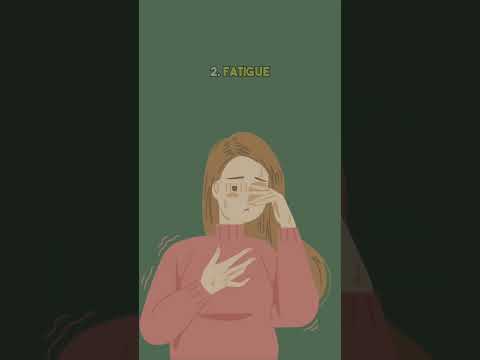
- Changes in Sleep: Sleeping too much or struggling to get any shut-eye at all is another big sign. Maybe you find yourself staring at the ceiling at 3 AM while the world sleeps.
- Appetite Changes: You could notice either eating way less or compulsively munching on snacks. It’s like your body’s way of saying something’s off.
- Irritability: Feeling on edge? Little things may start to annoy you more than they should. That can really zap the joy out of those precious moments with your baby.
- Cognitive Issues: It might be hard to focus or remember things, like where you put the pacifier—again! This brain fog can be super frustrating.
- Anxiety and Panic Attacks: Some parents experience intense feelings of worry that seem never-ending. Panic attacks might strike when least expected and make daily life daunting.
It was a chilly afternoon when Lisa, a friend of mine, sat down over coffee looking drained. She had her beautiful baby boy, but instead of joy lighting up her face, I noticed the shadows lurking there instead. She shared she felt detached from her son and was constantly overwhelmed by fears she couldn’t shake off—a classic sign of PPD.
Being aware of these signs lets new parents seek help sooner rather than later. If you notice these symptoms lasting longer than two weeks after giving birth, reaching out for support is crucial—it should never be ignored! Professional help could include therapy or sometimes medication if needed.
So remember this: PPD isn’t just about feeling sad; it encompasses a whole spectrum of emotions that can really affect your bond with your baby and overall wellness. If this resonates with you or someone close, don’t hesitate! Seeking help makes all the difference.
Understanding DSM-5 Criteria for Perinatal Depression: A Comprehensive Guide
Perinatal depression is like a dark cloud that can hover over new and expectant moms. It’s more than just the «baby blues,» which is pretty common and usually fades after a few days. Perinatal depression can stick around and really affect your daily life. The DSM-5, which stands for the Diagnostic and Statistical Manual of Mental Disorders (fancy title, huh?), has specific criteria to help identify it.
So, what do those criteria look like? Well, here’s the gist:
- Timing: Symptoms can start during pregnancy or within four weeks after giving birth. It’s important to note that it doesn’t always show up right away.
- Emotional Changes: You could feel sad, hopeless, or just disconnected from your baby. Like you’re on autopilot while the world continues to spin around you.
- Physical Symptoms: This might include changes in sleep or appetite—maybe you can’t sleep even when the baby is finally asleep or you find yourself eating way more than usual.
- Cognitive Issues: Ever find it hard to focus? This is common, and it’s not just about lack of sleep; you might feel foggy or struggle with decisions.
- Behavioral Changes: You might withdraw from family and friends, not feeling like yourself at all. It’s like hiding in your own little bubble.
- Suicidal Thoughts: In severe cases, there could even be thoughts of hurting yourself or questioning whether you want to go on. This is super serious and needs immediate attention!
When someone experiences these symptoms for two weeks or longer, it’s time to pay attention. Noticing these signs can be life-changing—not just for the person feeling this way but also for their families.
Imagine this: Sarah had her beautiful baby girl but felt nothing but overwhelming sadness. She found herself crying often and felt detached from her little one. Even holding her newborn made her anxious instead of happy. Thankfully, a kind friend noticed something was off and encouraged Sarah to talk about how she was feeling.
Getting help is crucial! Treatment options are out there— therapy can work wonders! Some people find comfort in talking things out while others prefer medication if needed—there’s absolutely no shame in that!
For someone navigating perinatal depression, just know that seeking help isn’t a sign of weakness; it’s actually a sign of strength! Being aware of these DSM-5 criteria helps create better care paths not only for individuals but also for their families who love them through these tough times.
In summary, understanding those guidelines equips everyone with knowledge about perinatal depression so we can support each other better—because no one should have to face this journey alone!
You know, when you think about pregnancy and new parenthood, you often picture those joyful moments—like the first kick you feel or that tiny baby smile. But what’s not talked about nearly enough is the shadow that sometimes creeps in during this time: perinatal depression. Seriously, it can be a lot to handle.
I remember a friend of mine who had just given birth. Everyone was so excited and showering her with love and gifts, but inside, she felt lost and alone. She’d post cute pics on social media, but behind the scenes? She was struggling. Little things that used to bring her joy just felt heavy, like she was dragging through mud instead of floating on clouds. It was heartbreaking to see.
Recognizing signs of perinatal depression isn’t just important for the person experiencing it; it’s crucial for everyone around them as well. Things like persistent sadness, trouble bonding with the baby, or even feeling anxious about being a parent can all be warning flags that something deeper might be going on. It’s not always easy to spot these signs though—sometimes they get masked under societal pressures to appear “happy” or “grateful.”
And here’s the kicker: women often blame themselves for these feelings. They might think they’re failing at this whole motherhood thing or fear judgment from friends and family if they express how hard it really is. That’s why it’s super important for loved ones to be attentive and supportive, you know? A simple check-in can go a long way—just asking how someone is really doing can open up doors to conversation.
But let’s not forget about self-care too! If you’re in that situation or know someone who is, prioritizing mental health is key. Seeking help doesn’t mean you’re weak; rather it shows strength and a desire for better days ahead.
Ultimately, recognizing those signs early on makes such a difference in getting the right care and support needed during one of life’s most challenging yet beautiful phases. Honestly? It could change everything—for both the mom and the little one relying on her.