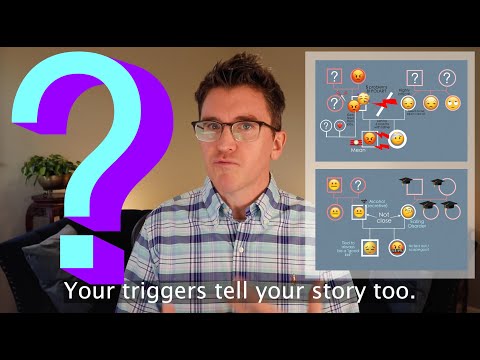
You ever have that feeling, like something’s just… off? You know, when you can’t quite put your finger on it?
Well, sometimes that “off” feeling comes from stuff we’ve buried deep down. I’m talking about trauma—those heavy experiences we don’t wanna face.
It’s wild how they can stick around without us even realizing it! Like little ghosts haunting our minds, affecting our mood, thoughts, and even our relationships.
So if you’re feeling stuck or anxious and can’t shake it off, maybe it’s time to look a bit deeper. Let’s chat about those signs of repressed trauma together. It might just lead you to some insights you didn’t expect!
Effective Strategies for Healing Repressed Trauma: A Comprehensive Guide
Repressed trauma can be a heavy burden. Sometimes, we push uncomfortable feelings deep down, thinking we’ll deal with them later. But, you know, they don’t just disappear. Instead, they might show up as anxiety, depression, or even physical issues. It’s a lot like when you stuff too many clothes into a suitcase; eventually, it just won’t close.
So what exactly are some signs of repressed trauma? Well, here are a few things to look out for:
- Emotional numbness: You might feel disconnected from your feelings, almost like you’re watching your life unfold from the outside.
- Intense reactions: Small triggers can make you feel overwhelmed or angry for no clear reason.
- Flashbacks: Like sudden memories hitting you out of nowhere that leave you feeling anxious or scared.
- Difficulty in relationships: Trust issues or fear of getting too close to others can pop up.
If any of this feels relatable, then finding strategies to heal those wounds is super important.
One effective approach is therapy. You could try different types. For example:
- Cognitive Behavioral Therapy (CBT): This helps you identify and change negative thought patterns that keep resurfacing.
- Eye Movement Desensitization and Reprocessing (EMDR): This one’s particularly interesting! It’s designed to help process traumatic memories by using guided eye movements.
- Talk therapy: Just sharing your experiences in a safe space can sometimes lift the weight off your shoulders.
Another strategy involves mindfulness and meditation. These practices encourage being present in the moment. They help soothe those racing thoughts and feelings. Have you ever noticed how calm it feels when you’re outside and focus on nature? That’s the essence of mindfulness—taking moments to breathe deeply and reconnect with yourself.
Journaling is another great tool! Writing down your thoughts and feelings can unleash emotions you’ve been holding on to. Seriously! It doesn’t have to be perfect; just let it flow.
Physical activities also play a crucial role in healing repressed trauma. Exercise releases endorphins—those feel-good chemicals—and can improve mood significantly. Even if it’s just going for a walk or dancing around your living room, getting active helps.
Don’t forget about safety in relationships. Surrounding yourself with supportive friends or family creates an environment where healing can happen more easily. Sharing with someone who truly listens makes a difference. Remember that friend who always knows what to say? Those connections matter.
Finally, being patient with yourself is key! Healing from repressed trauma isn’t an overnight fix; it takes time and effort. There’ll be ups and downs along the way—as if you’re climbing a mountain—but every step counts.
So remember: recognizing those signs is just as important as finding ways to heal them. You’ve got this! Don’t hesitate to reach out for support when needed; there’s no shame in asking for help along the journey toward healing.
10 Subtle Signs of a Traumatic Childhood: Recognizing Unspoken Indicators of Emotional Pain
Trauma from childhood can leave some pretty deep marks, even if you can’t see them on the surface. Many folks carry these feelings with them into adulthood, often without realizing it. Unspoken indicators of emotional pain can really mess with a person’s day-to-day life. So, let’s go through some subtle signs that could point to a traumatic childhood.
1. Difficulty Trusting Others
If you find it hard to let people in, this might be a big red flag. Maybe you’ve been burned before or, like, just never felt safe enough to trust anyone fully. This can show up as anxiety in relationships or an urge to keep your distance from others.
2. Emotional Numbness
You know when you feel sort of disconnected? Like you’re watching life through a foggy window? That kind of numbness could be hiding repressed emotions from the past. It’s tough because it can make everything feel bland and uninteresting.
3. Overreacting to Minor Issues
Sometimes, when little things make you blow a fuse, it’s not just about that moment. It might tap into deeper hurt that, honestly, hasn’t been dealt with yet. Things like traffic jams or someone cutting in line shouldn’t wreck your day.
4. Chronic Anxiety or Worry
If everyday tasks make you feel like you’re standing on shaky ground, that constant anxiety might stem from unresolved trauma. You’re always waiting for the other shoe to drop because peace just feels too fragile.
5. Trouble with Boundaries
Ever get the feeling your boundaries are more like suggestions? People raised in chaotic environments sometimes don’t know how to say no or stand their ground because they weren’t taught how valuable their feelings and space are.
6. Flashbacks or Intrusive Memories
Those moments where you’re suddenly thrown back into a past experience without warning—yeah, that’s tough stuff! If those memories pop up unexpectedly and catch you off-guard often, your brain might still be processing some heavy stuff.
7. Unexplained Physical Symptoms
Sometimes emotional pain doesn’t just sit in your head; it can manifest physically too! Things like unexplained headaches and stomach issues might actually be signaling something deeper related to past trauma.
8. People-Pleasing Behavior
Feeling like you have to keep everyone around you happy? That could come from wanting approval due to childhood experiences where being liked meant feeling safe and accepted.
9. Difficulty Regulating Emotions
If emotions feel overwhelming at times—like you’re on a roller coaster—it could point toward unresolved pain from the past that’s affecting how you handle your feelings in the present.
10. Avoidance of Certain Situations or Topics
Do certain conversations or places make you uncomfortable out of nowhere? This avoidance can often signal that there’s something lurking beneath the surface — maybe even stuff you’d rather not face head-on.
Recognizing these signs may feel daunting at first but knowing what they are is crucial for healing and growth! Each sign is like a breadcrumb leading towards understanding your emotional landscape better—and maybe seeking help if needed is part of the journey too!
Understanding Memory Suppression: How the Brain Blocks Out Traumatic Experiences
Memory suppression can feel like a mysterious black box in your brain. It’s when your mind decides to block out experiences, especially those that are really traumatic or distressing. The idea here is that your brain, in its infinite wisdom, tries to protect you from painful memories that can cause emotional harm.
So, how does this work? Well, when something really upsetting happens—like an accident or a loss—your brain might automatically shove those memories into the dark corners of your mind. This isn’t a conscious choice you make; it’s more like an instinctive reaction.
Here’s the thing: Not all trauma is remembered the same way. Some folks might recall every detail of a traumatic event while others can’t remember it at all. This leads us to the signs of repressed trauma, which can be pretty sneaky but totally recognizable if you know what to look for.
- Flashbacks: A classic sign! You might suddenly relive parts of the trauma as if it’s happening right now.
- Anxiety: Feeling on edge? Constantly worried? That could be tied back to unprocessed experiences.
- Physical Symptoms: Sometimes emotional pain manifests physically. Headaches, stomachaches—things like that can creep up without warning.
- Avoidance: If certain places or people give you the creeps because they remind you of something awful, that’s your mind trying to dodge those memories.
- Dissociation: It’s like watching your life as a movie instead of living it. You feel disconnected from yourself and what’s happening around you.
A friend of mine had a tough childhood and never really talked about it until years later. She would experience these intense feelings of anxiety whenever she visited her hometown. Upon some gentle probing in therapy, she unearthed old memories she’d buried deep down—memories that explained her feelings perfectly but were too painful for her brain to handle at the time.
The process behind memory suppression is linked with how our brains process stress. The amygdala plays a key role here; it’s responsible for emotions and memory processing. When you’re under extreme stress, it can overwhelm other parts of your brain involved in decision-making and memory retrieval leading to suppression.
Recognizing this isn’t just about identifying symptoms; it’s also about understanding why they happen. Processing these repressed memories often requires support—whether that’s therapy or connecting with trusted loved ones—to help sort through things safely.
In essence, memory suppression isn’t just about forgetting—it’s about coping with overwhelming experiences that our brains deem too dangerous or painful to face fully at first glance. And while digging into these feelings may sound daunting, it’s sometimes necessary for healing and moving forward in life.
You know, it’s pretty wild how much our past can shape our present. Sometimes, we carry these heavy emotional backpacks filled with stuff we don’t even realize is there—like repressed trauma. You might have heard people talk about it, but it’s really something that sneaks up on you.
Imagine a friend who always seems fine on the surface but suddenly breaks down over something small. They might not even understand why they’re reacting the way they do. That could be a sign of repressed trauma playing games behind the scenes. It’s like an emotional time bomb that goes off when you least expect it.
People often overlook symptoms like chronic anxiety, mood swings, or even physical pain that doesn’t seem to have a clear cause. You might think, “What’s wrong with me?” when in reality, your body is trying to get your attention about something you’ve tucked away in the corner of your mind.
A while back, I met someone who’d gone through a difficult childhood experience. They were always cheerful and put on this brave face for everyone, but when they unwound during therapy sessions? That’s when the real feelings surfaced—anger, sadness—they were all there just waiting to be acknowledged. It was tough to watch them unravel those layers they’d built up over the years. Seriously, facing that kind of truth takes guts.
And that’s one thing I think we need to focus on more in mental health awareness: recognizing these signs and not brushing them off as just “life.” It’s crucial to create environments where people feel safe sharing their stories without judgment because honestly? Talking about what hurts can be the first step toward healing.
So yeah, if you’re feeling overwhelmed or questioning your reactions to certain situations, maybe take a moment to check in with yourself. There might be something deeper at play that deserves some attention and care, you know? Just remember: you’re not alone in this healing journey; many others are walking similar paths too.