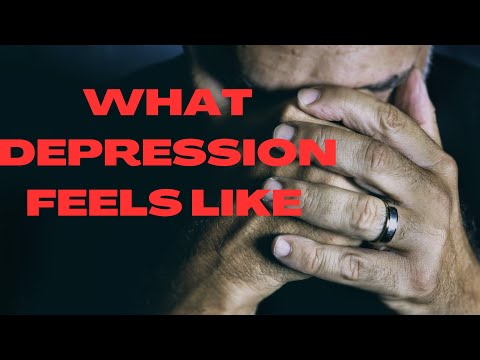
You know those days when you just feel… off? Like, maybe you wake up and can’t shake that heavy feeling in your chest? Yeah, that’s sadness creeping in.
But here’s the thing: it’s not just about feeling blue every now and then. Sometimes, it can be something more. Mood disorders are sneaky little monsters that hide behind everyday moments.
It’s not as simple as just being sad or having a bad day. There are signs that can help you figure out what’s going on. So let’s chat about spotting those signs. You might recognize them in yourself or someone you care about, and trust me, knowing is half the battle!
Spotting the Signs: How to Recognize Mood Disorders in Others
Spotting the Signs: Recognizing Mood Disorders in Others
When you notice your friends or loved ones acting differently, it can feel confusing. You might ask yourself, “Is this just a phase, or is something deeper going on?” Mood disorders like depression and bipolar disorder can be tricky to spot because their signs aren’t always obvious. But, there are some key things to keep an eye on.
Changes in Mood
One of the first signs to watch for is a significant change in mood. If someone who usually has a sunny disposition suddenly looks down all the time or seems really irritable, that can be a red flag. Think about it like this: if you’re close to someone and they start acting more withdrawn or overly hyperactive, those shifts aren’t just random.
Changes in Energy Levels
Energy levels can also tell you a lot. Someone battling depression might show fatigue, feeling tired even after rest. On the flip side, during manic phases of bipolar disorder, they could seem wildly energetic or restless. Like that time when your buddy couldn’t sit still for hours at that party—it’s not just excitement; it could signal something more serious.
Social Withdrawal
If you notice your friend declining invitations, skipping get-togethers, and generally avoiding people they once hung out with all the time, pay attention. Sometimes people with mood disorders pull away from friends and family because they’re feeling overwhelmed or numb.
Changes in Sleep Patterns
Look for shifts in their sleep habits too. Are they sleeping way too much? Or are they up all night? These changes often accompany mood disorders and can really mess with someone’s day-to-day life.
Changes in Appetite
A big appetite change can be another indicator. Some folks might eat less when they’re feeling down while others may find comfort in food and overeat—both of which signal emotional distress. It’s kind of like how after a tough breakup, some folks drown their sorrows in ice cream while others lose their appetite completely.
Difficulties Concentrating
You might also see them zoning out during conversations or struggling to focus on tasks they used to manage without breaking a sweat. It’s like when you’re trying to read a book but find your mind drifting off every few sentences—if that happens frequently to someone else, it could point toward some underlying issues.
Irritability and Anger Outbursts
Irritability isn’t just being grumpy; it can escalate into angry outbursts that seem disproportionate compared to what’s actually happening around them. Maybe you’ve seen this happen with friends during stressful times—it’s pretty clear when someone’s reactions don’t match the situation anymore.
So here’s the thing: If you’re noticing these signs in someone close to you and it’s worrying you, don’t hesitate to reach out. Just being there for them means a lot! Check-in casually with something simple like “Hey, I’ve noticed you’ve looked kinda down lately—everything okay?” Opening up that line of communication can make all the difference for someone who’s struggling silently.
In short, spotting mood disorders takes intention and care. It’s all about being aware of those small but significant changes over time—because sometimes those little signs add up into something bigger than we realize!
Recognizing the Signs: Is Your Sadness a Symptom of a Mental Health Condition?
So, let’s talk about sadness. Feeling down sometimes? Totally normal. But there can be a fine line between just having a bad day and something deeper, like a mood disorder. And recognizing those signs is super important.
First off, what does sadness look like? It can hit you in different ways. You might feel heavy and drained or like you’re just going through the motions. Maybe you’re getting more irritated than usual or finding it hard to concentrate on stuff you usually enjoy.
Now, here are some signs that your sadness might be more than just a rough patch:
And here’s the thing: even if you see these signs in yourself or someone else, it doesn’t mean they have a mental health condition for sure—just that it’s time to check in and maybe talk about it.
I’ll share this quick story. A friend of mine was just kind of existing for months—like she was stuck in this gray fog. She thought it was just stress from work until she couldn’t get out of bed one day. That’s when she knew something wasn’t right. After reaching out for help, she found out she had depression—not just simple sadness—and working on herself became her priority.
If you’re noticing signs like these, don’t brush them off. Talking to someone—like a therapist or even a trusted friend—can make all the difference. Remember: You’re not alone in this! Many people go through similar struggles, and seeking support is totally okay.
So yeah, if you’ve been feeling low lately and it doesn’t seem to lift after time, don’t hesitate to reach out for help—it can be the first step towards feeling better!
Sadness, you know? We all feel it sometimes. It might creep in slowly or hit you like a freight train. The thing is, recognizing when it’s more than just a bad day can be tricky. Life throws a ton of curveballs—breakups, job loss, or even just the rainy weather that makes everything feel heavy. We often brush these feelings off as typical ups and downs, but there’s so much more going on beneath the surface.
I remember a friend of mine, let’s call her Sarah. She was usually bubbly and always ready to laugh at anything silly. But last year, something shifted. At first, it was subtle—she started canceling plans more often and seemed distant during our chats. It gnawed at me for a while until one day she opened up about how she felt like she was stuck in a fog she couldn’t shake off. That moment made me realize how easy it is to miss those signs if you’re not looking closely.
So what does sadness usually look like? Well, besides the obvious tears, there are other signs that pop up—like changes in sleep patterns or when food suddenly loses its flavor for you. If you find yourself feeling empty or hopeless for weeks on end instead of just days, that could be something more serious brewing underneath. And then there’s irritability; ever notice how little things start to bug you more than usual? That can be another key indicator.
But hey, knowing about the signs is one thing; acting on them is another beast entirely. Sometimes it takes a nudge from friends or loved ones to realize you’re dealing with something bigger than just sadness. So if you spot yourself or someone else slipping into that gray area of mood disorders—like depression—it’s essential to seek help.
This whole emotional landscape is pretty complex but totally valid. Our feelings matter; they tell us stories about what we’re experiencing and how we’re coping with life’s challenges. It might feel uncomfortable at first to confront those feelings and talk about them openly but getting the right support can make all the difference in the world.
If you’re thriving after being sad for a bit—that’s one thing! But if it’s lingering around like an unwanted guest who refuses to leave? Well then it’s time to pay attention and maybe reach out for some help—even if that’s just grabbing coffee and talking it through with someone you trust. Seriously, don’t underestimate the power of connection; sometimes putting words into the air can lighten your load like nothing else can!