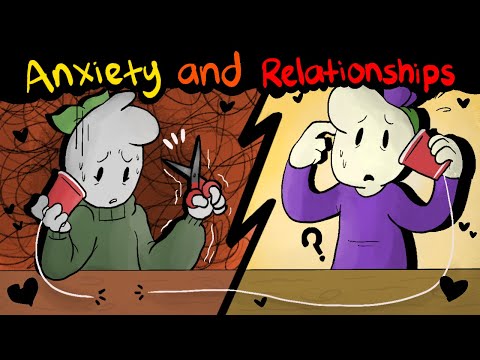
You know that gnawing feeling you sometimes get when your partner heads out the door? That little voice in your head saying, “What if they don’t come back?”
Well, that’s a taste of separation anxiety, and it can pop up in relationships. It’s not just for kids anymore!
Imagine feeling restless when they’re away or checking your phone constantly for a text. It sounds exhausting, right?
But it’s more common than you think. So let’s chat about some signs of that anxious vibe, so you can figure out what’s going on!
Understanding Separation Anxiety in Romantic Relationships: Signs with Your Boyfriend
Separation anxiety isn’t just a childhood thing, you know? It can pop up in romantic relationships, too. If you’re feeling anxious when you’re apart from your boyfriend or if he seems uneasy when you two are not together, it might be more than just missing each other. Let’s break it down.
What is Separation Anxiety?
Basically, it’s that overwhelming feeling of fear or distress when you or your partner are away from each other. Sometimes, it’s kind of like that pit in your stomach when you’re waiting for a message and can’t help but worry if everything is okay.
Signs of Separation Anxiety:
You might notice a few telltale signs if either of you is dealing with this. Here are some things to look out for:
- Constant Need for Reassurance: If he often asks about your feelings or needs you to tell him everything is fine constantly, that could be a red flag.
- Panic During Goodbyes: Like, does he freak out even before leaving? If short goodbyes turn into dramatic scenes, it’s worth paying attention to.
- Avoidance of Plans: Maybe he gets anxious about making plans that keep you two apart for long—like trips with friends without him tagging along.
- Overreacting to Little Things: If something small triggers big emotions—like forgetting to text back quickly—that’s another hint he’s struggling.
- Feeling Physically Ill: Seriously! Some people feel actual sickness—nausea, headaches—when they know they’ll be separated for a while.
Now let’s dive into how these behaviors might play out in real life. Imagine this: You want to go hang out with friends but your boyfriend suddenly gets super clingy and insists on coming with. He might say something like, “Do we really have to?” Or, “What if something happens while I’m not there?” That feeling of panic driving his need to stay close is classic separation anxiety.
The Emotional Rollercoaster:
It can be tough! Imagine the ups and downs when one partner feels insecure about their bond during times apart. It may lead one person to feel smothered while the other feels abandoned. That mismatch can create tension—a bit of a recipe for misunderstandings.
Tackling the Issue Together:
If these signs feel familiar in your relationship, communication is crucial. Open up about feelings without judgment. You could set boundaries around time spent alone and establish ways to stay connected—even through texts or video chats while apart.
Look, relationships can be complicated as it is; so understanding where these feelings come from will help both of you grow together instead of pushing each other away. Being aware helps build trust and respect—a solid foundation no matter what challenges come your way!
So keep an eye out on those signs! Emotional check-ins could be just what you need both to soothe worries and strengthen your bond over time—which I’d say is totally worth it!
Effective Strategies to Overcome Separation Anxiety in Relationships
When it comes to relationships, feeling anxious about being apart from your partner can be tough. You know, that nagging feeling when they’re late home, or you’re away from each other for a few days? It’s more common than you think. Let’s talk about some effective strategies to help ease that separation anxiety.
First off, acknowledging those feelings is important. Seriously! Just saying to yourself, “Okay, I’m feeling anxious right now,” can make a huge difference. It’s like shining a light on a shadowy monster. You realize it’s there but it doesn’t have to control you.
Another key point is building your **independence**. Spend time doing things you love without your partner around. Whether that’s hanging out with friends or picking up a hobby, this helps remind you that your happiness doesn’t solely depend on them being there all the time. For instance, let’s say you start painting again after years of neglecting it. You’ll be surprised how fulfilling that can be!
Next up is **communication**. Talk to your partner about what you’re feeling. Most people want to support each other but they might not even know how anxious you are when they leave. Tell them what triggers your anxiety and maybe come up with strategies together to help ease those feelings when apart.
Creating a **routine** can also help alleviate anxiety. If you develop small habits—like texting goodnight every night or scheduling regular video calls—that sense of connection during separations can really take the edge off the worry.
Practice some **relaxation techniques**, too! Deep breathing exercises or mindfulness meditation are awesome ways to calm those swirling thoughts when anxiety hits hard. Picture this: taking 5 minutes before bed to breathe deeply and focus on something positive or visualize being together again could leave you feeling more relaxed and grounded.
Lastly, if these feelings become overwhelming and interfere with daily life or relationships, consider reaching out for professional support. Sometimes having someone who understands can make all the difference!
In short, separation anxiety in relationships doesn’t have to be an unmanageable beast if you’re willing to tackle it head-on with these strategies:
- Acknowledge your feelings.
- Build your independence.
- Communicate with your partner.
- Create a routine.
- Practice relaxation techniques.
- Seek professional help if necessary.
So yeah, while it might feel heavyweight at times, taking these steps could lighten the load significantly!
Understanding Separation Anxiety: What Ages Are Considered Normal?
Separation anxiety is one of those things that can really mess with your head—especially for kids, but it can pop up in adults too, particularly in romantic relationships. So, let’s break it down and chat about what ages are considered normal for separation anxiety.
First off, separation anxiety is pretty common among young kids. It’s like a natural phase as they learn to navigate the world. You know how babies freak out when their parents leave the room? That’s basically the beginning of separation anxiety!
Infants and Toddlers: This is where it all starts. From around 6 months to 3 years old, it’s totally normal for babies to get upset when they can’t see their parents. They’re forming bonds and figuring out who they trust. If you’ve been in a situation where a toddler clings to your leg when it’s time for mom or dad to leave—that’s just them trying to cope with separation!
Preschool Kids: As kids grow up a bit, around ages 3 to 5, you might still see signs of this anxiety. Some children may feel nervous about going to preschool or sleeping away from home for the first time. They might cry or throw tantrums when separating from their caregivers. This is still within the realm of normal development.
Now, if you move into elementary school, around ages 6 to 12, some kids might have lingering feelings of anxiety during separations, especially if something stressful happens in life—like moving or changes in family dynamics.
Teenagers: Believe it or not, even older kids can experience this stuff too! Teenagers sometimes face separation anxiety as they start getting into relationships or even just hanging out more independently from their parents. Maybe they feel anxious about being apart from their boyfriend or girlfriend—totally relatable!
In romantic relationships specifically, it can be tricky when separation comes into play—like if one partner has to travel for work or studies abroad. If you’ve ever felt that twist in your stomach when your significant other leaves, yeah? That could be related.
Adults: In adults, this kind of anxiety can also show up in relationships due to past experiences or attachment styles developed during childhood. A person might fear abandonment or become overly dependent on their partner because they’re scared of being alone.
Here’s something else: although some level of separation anxiety is normal at any age, if these feelings start interfering with daily life—like work performance—or friendships? That’s where it gets concerning.
To summarize:
- Infants (6 months – 3 years): Normal reactions like crying when separated.
- Preschoolers (3 – 5 years): Anxiety about leaving caregivers increases.
- Elementary Kids (6 – 12 years): May show signs during big life changes.
- Tweens/Teens: Feelings show up due to independence and first love.
- Adults: Past experiences affect how you deal with separations in relationships.
So yeah, understanding where these feelings come from—and recognizing what’s typical at different stages—is super important for managing them effectively!
You know, separation anxiety isn’t just for kids. Seriously, it pops up in adult relationships too, and it can be pretty intense. I mean, have you ever felt that pang of anxiety when your partner leaves the room or goes out without you? It’s like a little storm starts brewing in your chest.
I remember a friend of mine who would get super clingy whenever her boyfriend went out with friends. She’d text him nonstop, asking where he was and who he was with. At first, it seemed cute—like she really cared. But then, things got kinda heavy when she admitted she felt sick to her stomach whenever he left her side. That’s when it hit me; this wasn’t just being attached; this was something deeper.
Common signs of separation anxiety in relationships can sneak up on you. You might notice yourself feeling really worried about what your partner is doing when they’re not around or even becoming overly upset about small separations—like heading to the store or spending time with their family. It can feel like all those «what ifs» start crowding your mind: What if they don’t come back? What if they realize they’re better off without me?
And then there’s the avoiding stuff too! You might find yourself hesitating to make plans that require being apart for a while or maybe even feeling jealous if your partner spends time with friends without you tagging along. It’s wild how these feelings can just creep into your relationship and stir things up.
But here’s the kicker: Recognizing these signs is key because it’s not about blaming yourself or feeling ashamed—it’s about understanding where those feelings are coming from and what triggers them. Opening up a conversation with your partner about how you’re feeling can really help lighten that load. You’d be surprised how much relief there is in simply sharing what’s going on inside your head.
So yeah, acknowledging separation anxiety in romantic relationships isn’t always easy, but realizing it’s more common than we think might just take the pressure off a bit! We all crave connection and intimacy, but knowing it’s okay to feel anxious sometimes is part of figuring this whole love thing out together.