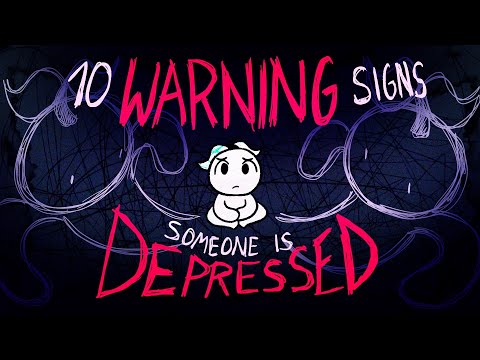
You know that feeling when everything seems a bit too heavy? Like, you wake up one day and just can’t shake off this gray cloud hanging over you?
Situational depression can hit us like a ton of bricks. It sneaks in during tough times, usually when life throws us some serious curveballs. You lose a job, go through a breakup, or face an unexpected health issue—boom!
Suddenly, you might feel blah all the time. It’s not just being sad; it’s more like everything feels pointless. Maybe you’ve noticed changes in your sleep or found yourself snapping at friends for no good reason.
But here’s the thing: recognizing those signs can be tricky. Sometimes we brush it off as just a “bad mood.” So let’s chat about it and figure out what to look for in daily life. Sound good?
Understanding Situational Depression: Causes, Symptoms, and Coping Strategies
Situational depression, also known as reactive depression, is a type of mood disorder that pops up in response to a specific stressful event or situation. It’s not just about feeling down; it’s like being caught in a storm that won’t let up. Sometimes it happens after something big, like losing a job or going through a breakup. Other times, it can come from ongoing stress, like caring for someone who’s really sick.
Causes of situational depression can vary widely. Basically, anything that throws your world off-kilter could trigger it. Events like:
These events can feel overwhelming and lead to feelings of sadness or hopelessness.
Now let’s talk about the symptoms. You might experience:
Dude, it’s like all the colors in your world fade away for a while. You may find it hard to concentrate at work or school too—it’s tough to focus when your mind feels foggy.
But don’t worry too much! There are coping strategies that can help you navigate through this. Like:
I remember going through a rough patch after losing my job—it felt like the ground was shifting beneath me. I started journaling my thoughts and just getting them out on paper helped so much. Reaching out to friends also reminded me I wasn’t alone in this.
So basically, situational depression is really about how you respond to life events and how those events impact your emotional health. It’s important to recognize these signs early on so you can take steps towards feeling better again. Just remember: It’s okay to ask for help, you’re not alone in this journey!
Understanding the Differences: Is Your Depression Chemical or Situational?
Alright, so you’re probably wondering about the difference between chemical and situational depression. It’s a big deal, and really important to figure out what’s going on when you or someone you know is feeling down. So, let’s break it down.
Chemical depression, also known as major depressive disorder, is like having a brain that’s just not firing on all cylinders. What happens here is that your brain chemistry is off balance. It might be related to things like genetics, hormones, or even long-term stress. Your brain might not be producing enough of those feel-good chemicals, you know? Like serotonin and dopamine. Imagine trying to drive a car on fumes—it’s just not going anywhere.
On the flip side, we have situational depression. This kind usually crops up after some life events that shake things up—a breakup, losing a job, or maybe moving to a new place where everything feels different and overwhelming. It’s like your emotional system saying “Hey! This situation is tough!” Your mood dips because of real-life issues rather than something wrong with how your brain works biochemically.
The signs of chemical vs situational depression can overlap sometimes but there are some key differences:
- If you feel low for weeks or months without a clear reason, that could signal **chemical depression**.
- If your mood swings come after specific events—like losing your job—that’s more likely **situational**.
- In **chemical depression**, you might struggle with daily tasks due to persistent fatigue or sadness.
- With **situational depression**, once the events causing your distress start to fade away, so does the heaviness—usually within a few months.
I remember talking to my friend Sarah who went through this when she lost her father. She felt engulfed in sadness and found it hard to do anything. But as time passed, she noticed she started feeling better once she began focusing on memories rather than pain; it was clearly situational for her.
You might be asking yourself how do we deal with these two types? Well, for **chemical depression**, therapy can help but often medication plays a big role in getting those neurotransmitters back in balance. You know? It’s like giving your brain some gas so it can run smoothly again!
As for **situational depression**, therapy might involve getting support from friends or talking with someone professional about coping strategies while also navigating through the tough stuff—because sometimes just talking helps lighten that load.
The thing is: understanding which type you’re dealing with really matters when it comes to treatment and recovery. If you’re not sure what you’re dealing with—it could seriously help to chat with someone who gets this stuff better than I do! Seeking out help isn’t weakness; it’s seriously smart move.
No matter what type you’re facing, remember: there’s hope and options out there—don’t hesitate to reach out!
Understanding Reactive Depression: Causes, Symptoms, and Coping Strategies
Reactive depression, or situational depression, can hit you unexpectedly. You know how sometimes life throws curveballs? Maybe you lost a job, went through a breakup, or faced a serious illness. It’s like being on an emotional rollercoaster that won’t stop. This type of depression is often tied directly to certain events or situations in your life.
Causes of reactive depression are pretty straightforward. They stem from specific stressors that can feel overwhelming. Common triggers include:
- Loss of a loved one
- Divorce or relationship issues
- Financial troubles
- Major life changes like moving or starting a new job
- Chronic illness or health concerns
Each of these events can trigger feelings of sadness, hopelessness, and anxiety. It’s important to remember that what you’re feeling is valid. There’s no shame in being affected by these situations.
Now let’s talk about symptoms. Reacting to stress with depression usually looks like:
- Persistent sadness or low mood
- Loss of interest in activities you once enjoyed
- Trouble concentrating
- Changes in sleep patterns—too much or too little
- Feeling fatigued all the time
- Irritability and frustration over small things
If this sounds familiar, well, you’re not alone. Many people go through this at some point in their lives; it doesn’t mean you’re weak.
So how do we cope with reactive depression? There are several strategies that can help lift your spirits:
- Talking it out: Sometimes just opening up to a friend can make a world of difference.
- Counseling: Professionals can guide you through the tough stuff, offering tools to manage your feelings.
- Exercise: Getting your body moving releases endorphins—those feel-good hormones!
- Meditation and mindfulness: These practices can help ground you and reduce anxiety.
- Your daily routine: Creating structure, even something small like setting daily goals, helps keep things manageable.
Remember the story about my friend Jamie? After going through a rough breakup, she found herself lost in sadness and confusion. It was hard for her to get up some days. But she decided to talk to someone about it—just venting really helped! Slowly but surely, she filled her days with little activities: walks in the park and coffee dates with friends reminded her that joy still existed.
This kind of depression is temporary for many people if they address their feelings early on and seek support when they need it. But if symptoms persist or worsen over time? That might be the cue to reach out for professional help—you deserve support when life feels heavy.
So yeah, understanding reactive depression is vital not just for those experiencing it but also for friends and family who want to lend a hand. A little kindness goes a long way!
You know, situational depression can sneak up on you like a ninja. One day, you’re feeling pretty okay, and then life throws you a curveball—a breakup, job loss, or maybe even the death of someone close to you. Suddenly, those feelings of sadness just start creeping in, and it can be tough to pinpoint what’s happening.
I remember a time when a friend lost their job. At first, they were handling things well. But after a few weeks of searching and doubt creeping in, I began to notice subtle changes. They stopped hanging out as much and didn’t seem interested in the things they used to love—like that weekly trivia night we always crushed together. I questioned if it was just them adjusting or something deeper. Turns out it was that situational depression taking hold.
The thing is, this kind of depression isn’t like the more persistent forms; it’s triggered by specific events or situations. You might find yourself feeling overwhelmed with sadness during the day but suddenly feel fine at other times. It’s like your emotions are on this crazy roller coaster with ups and downs.
Look for signs around you. If you find yourself withdrawing from friends or avoiding activities that once brought joy, that’s something to take seriously. There can be physical symptoms too—like changes in appetite or sleep patterns. Maybe you’re suddenly sleeping way too much or hardly at all.
Sometimes people brush these feelings off as “just being sad,” but it’s important to recognize when those blues linger longer than expected or get worse over time. It’s not always easy to spot these signs in yourself either; denial is a tricky beast! You might think you’re just going through a rough patch instead of acknowledging that those feelings are weighing heavier on your heart than you’d like.
And look, reaching out for help when you’re feeling this way isn’t a sign of weakness; it’s actually pretty brave! Talking about what you’re experiencing can offer some relief and help identify coping strategies that work for you.
So yeah, if you’re noticing sadness hanging around longer than it’s welcome after life’s stumbles—you’re not alone in this! Recognizing these signs is key to getting back on track before they become an uninvited houseguest for too long. Just remember: it’s okay to ask for help along the way when you need it!