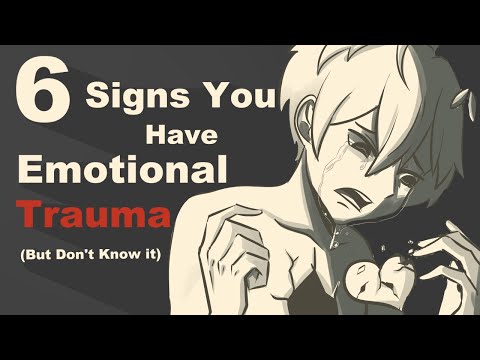
You know, trauma is one of those things a lot of people don’t talk about. It sneaks in quietly and messes with your head when you least expect it.
Maybe you’ve been through something intense, like an accident or a tough loss, or even just something that felt overwhelming. Those feelings can stick around longer than you’d like.
Recognizing signs of trauma isn’t always easy. Sometimes you might think you’re just having a bad day, but there’s more to it. So let’s chat about what those signs really look like and how they can show up in your life—and why it matters to pay attention to them. You feel me?
Recognizing the Signs of Emotional Trauma in Adults: Key Indicators and Insights
Recognizing emotional trauma can feel like searching for a needle in a haystack. It’s tricky, right? Trauma can manifest in different ways, and it often hides behind a mask of everyday life, making it hard to spot. Still, there are some key signs to look out for if you think someone might be dealing with this stuff.
Changes in Mood
First up, mood swings can be a huge indicator. You know how one moment someone might seem happy and the next they’re just… off? If you notice someone going from zero to sixty in terms of anger or sadness, that’s a red flag. It’s like their emotional weather is constantly changing without warning.
Avoidance Behaviors
Then there’s avoidance. You might see them dodging places or people that remind them of tough experiences. Let’s say they used to love going to crowded places but now they can’t stand it—this could be their way of coping with past trauma.
Physical Symptoms
You can’t forget physical signs either! Stress can show up as headaches, stomach issues, or even fatigue. It’s wild how our brains and bodies are connected, huh? If someone complains about these symptoms often but isn’t sick, it might point to something deeper.
Difficulty Trusting Others
Now, trust issues are a biggie too. Someone who has experienced trauma may struggle with forming close relationships or trusting the people around them. You could notice them being overly guarded or hesitant when getting to know new folks.
Numbing Emotions
Emotional numbing is another sign. If someone seems detached from their feelings—like they’re going through the motions but not really “there”—that could be a way they’re trying to cope with past hurt.
Substance Use
And let’s talk about substance use—a lot of people turn to things like alcohol or drugs as a way to escape from their emotions. If you see your friend hitting the bottle more than usual after some tough times, that could definitely be a cause for concern.
Cognitive Changes
Trauma can also mess with how someone thinks. They might have trouble concentrating or remembering things easily. Like, have you noticed your buddy zoning out during conversations? That could be linked back to stress and anxiety stemming from emotional trauma.
So really, if you notice these signs—mood swings, avoidance behaviors, physical symptoms—it’s like shining a flashlight on an area that needs attention. Recognizing these indicators is crucial because they show us that healing isn’t just about what happened; it’s also about how it affects our daily lives moving forward.
Understanding what emotional trauma looks like helps not just those who experience it but also friends and family members who want to support their loved ones through difficult times. The journey can be long and winding, but recognizing these key indicators is definitely the first step in paving the way toward healing and recovery!
Recognizing the Signs of Emotional Trauma in Relationships: A Guide to Healing Together
Recognizing emotional trauma in relationships can be like trying to find a needle in a haystack. It’s tricky because trauma can show up in so many different ways, and often, it’s not just about the big things that happened—it’s about how those events changed you emotionally.
First off, let’s talk about what emotional trauma really is. It can stem from experiences like abuse, loss, neglect, or even witnessing someone else go through something painful. It leaves scars that aren’t always visible. You might think everything is fine on the outside, but inside there’s chaos.
One major sign of emotional trauma is intense emotional reactions. You might find yourself getting angry or upset over little things that seem benign to others. For example, if your partner forgets to take out the trash, and you freak out as if they’ve committed a crime—that could be a sign. The emotions you’re feeling are often tied to unresolved issues from past traumas.
Another red flag? Withdrawal and isolation. If you or your partner starts pulling away—skipping outings or avoiding deep conversations—it could indicate they’re struggling with something deeper. It’s like putting up walls to protect oneself from getting hurt again. Trust me; I’ve seen relationships crumble because one person felt they couldn’t share their pain.
Anxiety and hypervigilance can also pop up in relationships affected by trauma. You might notice one of you is constantly on edge, checking for potential problems before they arise. Think of it as walking on eggshells—always ready for the next blow-up or disappointment. This heightened state of awareness can create tension between partners.
Then there are communication issues. Have you noticed that conversations often turn into arguments? Or perhaps you both struggle to talk about feelings? When past traumas come into play, it can be hard to express emotions without feeling vulnerable or scared.
And let’s not forget self-sabotage. Sometimes individuals with a history of trauma may push their partners away even when things are good. It’s like they’re so used to disappointment that they blow things up before they get too close.
Now here’s the thing: recognizing these signs is just the first step. Healing together takes effort from both sides. You need open communication and empathy toward each other’s feelings and experiences. One way to start healing is by discussing your feelings openly—like setting aside time each week just to check in with each other emotionally.
You might also want to consider talking with a therapist who specializes in trauma work—not saying you have to dive into therapy right away! But sometimes having an expert guide can make all the difference in navigating those choppy waters together.
In summary, recognizing emotional trauma isn’t always easy—it requires being honest with yourself and your partner about how it affects your relationship day-to-day. Taking those steps can lead to real healing if you’re willing to do it together—and that makes all the difference in building a stronger bond!
Understanding the 7 Stages of Trauma Healing: A Path to Recovery and Resilience
Trauma can really shake you up. It leaves a mark, and the journey to feeling whole again isn’t a straight line. Understanding the stages of trauma healing can help you see how things might unfold. You know, it’s like climbing a mountain—you don’t just zip up to the top; there are ups and downs along the way.
1. Shock and Denial: This is where it all begins. You might feel numb or find it hard to grasp what happened. Maybe you’re going through your daily routine like everything’s fine, but inside, things feel totally off. It’s normal to deny that something serious has occurred.
2. Pain and Guilt: Once the shock wears off, that’s when things get real heavy. You might start feeling pain, sadness, or guilt. It’s like that feeling after you finish a good cry—relief mixed with leftover hurt. You might blame yourself for what happened, even if it wasn’t your fault.
3. Anger and Bargaining: At this point, anger might kick in big time—anger at yourself, others, or even the universe for letting this happen. And then there’s that urge to bargain: “If I do this differently next time…” You’re trying to make sense of an unfair situation.
4. «Depression,» Reflection, Loneliness: This stage can feel super isolating. You might withdraw from friends or family because you don’t think they’ll understand how you’re feeling. Reflecting on your experiences is important, but it can also lead to intense feelings of loneliness or despair.
5. The Upward Turn: Slowly but surely, things start looking brighter—or at least a bit less dark! You might find yourself starting to take small steps forward again—like hanging out with friends or picking up a hobby you used to love.
6. Reconstruction and Working Through: This is when you really dig deep into healing. Maybe you’re going back to therapy or talking more openly about your experience with trusted people in your life. It’s tough work; sometimes you’ll have good days and sometimes bad ones—but that’s okay!
7. Acceptance and Hope: Finally! Acceptance doesn’t mean forgetting; it means acknowledging what happened and figuring out how it fits into your life now without it consuming you anymore. Here’s where hope starts blossoming again—you begin believing that joy is possible in the future.
So yeah, these stages aren’t set in stone; they can overlap or loop back on themselves like those rollercoasters you didn’t ask for! The important thing is knowing that recovery takes time—a lot of time sometimes—and being kind to yourself through the entire process is crucial.
You’re not alone if you’re feeling overwhelmed by trauma—it affects so many of us in ways we can’t always see right away! Remember, reaching out for help isn’t weakness; it’s part of building strength as you navigate this path toward resilience.
You know, trauma is one of those things that’s kinda hard to pin down. It’s not always obvious, and sometimes the signs can be super subtle. Like, you might think someone is just having a bad day or being moody, but there’s often more to it under the surface.
I remember this friend of mine, Jamie. She had this really tough childhood—lots of upheaval and instability. For years, she seemed fine on the outside, cracking jokes and keeping busy. But every now and then, something would trigger her. A loud noise or even a certain smell could send her spiraling back into that place of fear and anxiety. I’ll never forget how one time we were all at a party, and there was this sudden pop from a balloon. Jamie just froze. It was like all the color drained from her face; you could see her mind racing back to awful memories.
So recognizing trauma can be tricky because we often don’t see these reactions coming until they slap us in the face—or until someone finally opens up about their experiences. People might have trouble sleeping or feel really jumpy when they hear unexpected sounds. Others could withdraw from social situations or struggle with feelings of anger that seem out of place.
It’s interesting how trauma manifests differently in everyone; some folks might cry easily while others show anger or even denial as their defense mechanism. And honestly? It’s a lot like peeling an onion—you keep uncovering layers until you get to that core issue, which usually takes time and patience.
The signs are there; they just often hide behind what looks like normal behavior on the outside—like stress or mood swings. So it’s crucial to approach these signs with empathy rather than judgment, whether it’s with yourself or someone else.
We also have to remember that healing isn’t linear; it can be messy, unpredictable… kinda like life itself! Understanding trauma can help create safe spaces for people to share their stories without fear of being dismissed or misunderstood. Sometimes all someone needs is for you to listen—no solutions needed.
In short? Trauma is real, and recognizing its signs can make a world of difference for those who are dealing with it silently every day.