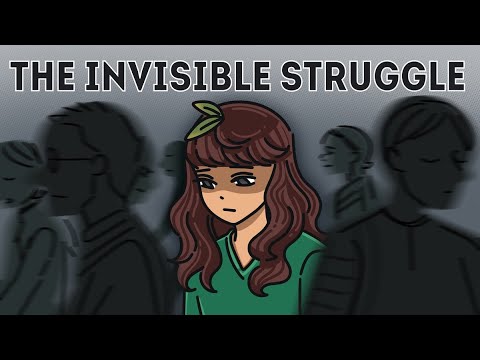
Hey there! So, let’s chat about something that doesn’t get enough attention—ADHD in women. Yup, you heard me right.
You know how some days it feels like your brain is a whirlwind while everyone else seems totally chill? It can be frustrating! What’s wild is that women often have ADHD without even realizing it.
Maybe you’ve been labeled “forgetful” or “scatterbrained.” That can sting, right? Well, those little quirks might be pointing to something more than just your personality.
I’ve had friends share stories about feeling overwhelmed or anxious for no reason—only to find out later it was ADHD all along. Crazy how that works, huh?
Let’s dig into some signs that could mean you’re navigating life with undiagnosed ADHD. Trust me, recognizing this could be a game-changer!
Understanding Inattentive ADHD in Girls: Key Signs and Characteristics
Understanding Inattentive ADHD in Girls
So, inattentive ADHD, often overlooked in girls, can be a real challenge. Unlike the classic hyperactive symptoms, girls with this type can seem quiet and dreamy. They often fly under the radar, making it tricky for parents and educators to spot. You might think a girl’s daydreaming or forgetfulness is just being “lost in thought.” But there’s more to it.
One key sign is distractibility. Girls with inattentive ADHD often struggle to focus on tasks. For instance, they may start homework but then find themselves wandering off to check social media or rearranging their room. It’s like trying to hold onto a slippery fish; focus just slips away.
Another common characteristic is forgetfulness. You might notice that your friend always forgets her backpack or leaves her lunch at home. It can feel frustrating for her and for those around her. This isn’t because she doesn’t care; it’s just how her brain works.
Then there’s organization problems. Tasks like keeping their schoolwork neat or managing time can feel overwhelming. Imagine trying to pack for a weekend trip but losing track of everything you need—clothes end up everywhere, and your toothbrush? Who knows!
Often, girls will also have trouble following through on tasks. They may start projects with great enthusiasm but then lose interest before finishing them. Kind of like starting a new hobby, getting super excited about it one week, and then completely forgetting about it the next.
Another sign is emotional sensitivity. Many girls with inattentive ADHD experience emotions more intensely. Maybe they’re quick to feel hurt when they’re teased or take criticism harder than others do. This sensitivity can lead to anxiety or low self-esteem over time.
Drifting into daydreams is also pretty common—like when you’re sitting in class and suddenly find yourself imagining being anywhere but there! These daydreams can be an escape but make staying present super tough.
And while we’re at it, girls might not always act out like boys do if they have ADHD. Instead of being disruptive, they could just blend into the background while silently struggling with their thoughts racing around.
Key Signs and Characteristics:
- Distractibility: Frequent shifts in focus during tasks.
- Forgetfulness: Commonly misplaces items or forgets plans.
- Organization Problems: Difficulty keeping track of schoolwork.
- Trouble Following Through: Starts projects but rarely finishes them.
- Emotional Sensitivity: Takes comments more personally than others.
- Daydreaming: Frequently lost in thought instead of paying attention.
You know how people often say that mental health issues aren’t visible? Well, inattentive ADHD falls right into that category—especially in girls. Often mistaken as laziness or lack of effort, these traits are part of how their minds work.
It’s vital that we recognize these signs because many women go undiagnosed well into adulthood—and you know what that means? A lot of missed opportunities for support! If you think you see these signs in someone close to you—or even yourself—consider seeking advice from a professional who understands ADHD better than most! It could make all the difference in feeling understood and supported!
Understanding Female ADHD: Key Insights and Effective Testing Methods
Understanding Female ADHD can feel like you’re trying to solve a really tricky puzzle. A lot of women might go through life without realizing they have ADHD. The symptoms can show up differently than they do in men, which is why it’s so easy to miss the signs.
One of the biggest things to know is that ADHD isn’t just about being hyperactive or bouncing off the walls. Women may experience symptoms more internally. You might find yourself daydreaming a lot, having difficulty concentrating in conversations, or struggling with organization and time management. Sometimes, this can lead to feelings of frustration or even low self-esteem because you might feel like you’re not meeting expectations—either your own or those of others.
Then there’s that whole emotional side of it. Women with ADHD are more likely to experience anxiety and depression alongside their ADHD symptoms. So, if you often feel overwhelmed by your emotions, you’re definitely not alone.
Now let’s talk about some common signs that could suggest undiagnosed ADHD:
- Inattention: You may frequently lose track of things, forget appointments, or drift off during conversations.
- Hyperfocus: Ironically, some women can become intensely focused on tasks they enjoy while totally zoning out on others.
- Restlessness: You might not be physically hyperactive but could feel an inner restlessness—always wanting to be doing something else.
- Emotional Intensity: Your feelings can swing last minute—from excited joy to deep sadness—and sometimes it’s hard to control those emotional responses.
So how do we figure out if someone has ADHD? Well, testing for female ADHD isn’t one-size-fits-all; it really needs a personal touch.
First off, clinicians will usually look into your life history and behavioral patterns. This is important because it helps them understand how ADHD has impacted your daily life over time. They’ll likely use different tools like self-report questionnaires or interviews where you talk about your experiences.
Another effective method is getting feedback from people close to you—like friends or family—who can provide insights into how your behaviors play out in real-life situations.
And here’s another interesting thing: there are times women might be diagnosed later in life because they developed coping mechanisms that masked the symptoms as kids. Maybe you’ve been labeled as «disorganized» or «a dreamer.» It’s completely valid if you’re nodding along here!
Also worth mentioning is the role of hormones in diagnosing female ADHD. Fluctuations during menstrual cycles can actually affect symptoms—for some women, making them worse during certain times of the month.
If you’re reading this and thinking some of these signs resonate with you, reaching out for help is key! A professional can help clarify what you’re experiencing and guide you towards options for management—and trust me when I say there are plenty! From therapy approaches like cognitive-behavioral therapy (CBT) to medication options when necessary.
Ultimately, understanding Female ADHD means recognizing how unique each person’s experience is with it. There’s no shame in seeking support; it’s a brave step towards feeling more balanced and empowered in everyday life!
Understanding High Functioning ADHD in Females: Key Symptoms and Insights
So, let’s chat about high functioning ADHD, especially in females. It’s not all the same as the typical attention-deficit/hyperactivity disorder you might have heard about. Female symptoms can be way more subtle and tricky to spot, even by yourself. The other thing? Many women manage to function really well in their daily lives, which can mask the challenges they face.
First up, what exactly is high functioning ADHD? It means you might be juggling life pretty well on the outside but struggling on the inside. Things like managing work, home responsibilities, or social events might seem okay from afar. But inside, you could be feeling overwhelmed or scattered. This condition often flies under the radar because it doesn’t always look like classic ADHD.
Now let’s cover some key symptoms you might recognize:
But here’s something interesting: many females diagnosed later in life often reflect back and realize they’ve had these patterns for a long time; maybe since childhood! Sometimes it’s mistaken for being “just disorganized” or “spacey.”
Let me share an anecdote: I once met a woman named Sarah at a coffee shop who was saying how she was constantly seen as the responsible one at work and home. Yet she felt so tired from keeping up that image while battling internal chaos—like her thoughts were racing while she put on this brave face every day!
Now here’s another twist: societal expectations play a massive role in how ADHD shows up in women’s lives. There are pressures to excel at everything—job performance, home life—so many feel they need to hide their struggles instead of seeking help.
Finally, if you’re thinking this sounds familiar? It could be worth chatting with someone who really gets ADHD experiences—like a mental health professional experienced in assessing adults.
High functioning ADHD is slippery; it doesn’t always fit into neat boxes. But getting understanding is crucial; it helps in processing those chaotic feelings and finding ways to cope better!
Alright, let’s chat about something a bit tricky but super important—ADHD, especially in women. It’s not exactly the first thing that comes to mind when you think of ADHD, right? But here’s the thing: it can definitely fly under the radar, and many women don’t get diagnosed until later in life.
So, maybe you’re sitting there wondering if you’ve got it. You might find yourself daydreaming during conversations or struggling to focus on tasks that seem boring or repetitive. You know that feeling when there are a million things buzzing around in your head at once? Like you want to concentrate, but your brain is just off chasing butterflies instead? Yeah, that can be a sign.
Let me tell you a little story. I know someone named Sarah who spent her whole life feeling like she was constantly running behind. She’d lose track of time while scrolling through her phone or starting projects without finishing them. The woman could plan an amazing vacation but would forget to pack half her suitcase! After years of feeling “off,” she finally got evaluated and found out she had ADHD. It was like a light bulb went off for her.
You might also notice patterns in your emotions—like maybe you feel overwhelmed by everything going on around you or find yourself snapping at people over little things because you’re just… well, exhausted from trying to keep up with everything! And here’s another thing: often women with ADHD develop coping strategies that can disguise their symptoms quite well. You might become an expert at masking those struggles or overcompensating in some areas of your life just to keep everything together.
Another sign could be trouble with organization and time management. That overflowing chaos on your desk? Or forgetting appointments left and right? Those could be more than just “you being disorganized.” And social interactions can be tough too; maybe you’re great at starting conversations but struggle with keeping them flowing because your mind is darting from topic to topic.
In any case, it’s critical to trust yourself if something feels «off.» If some of these signs resonate with you, consider talking to someone—like a therapist or counselor—who knows their stuff about ADHD in women specifically. Seriously, understanding yourself better is empowering and can lead to some serious improvement in how you feel day-to-day!
Anyway, just remember—it’s totally okay not to have all the answers right now. Life’s a journey of figuring things out!