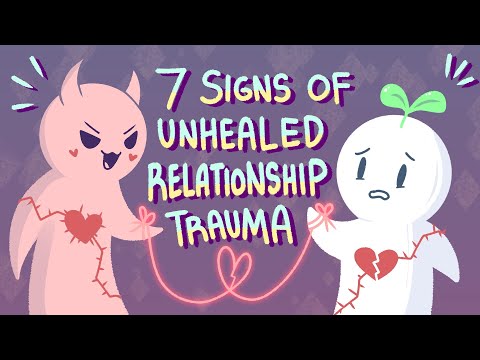
You know, trauma can be a sneaky little thing. It hides in the corners of our minds and, like a bad houseguest, shows up when we least expect it. You might not even realize it’s there.
Maybe you feel this heaviness sometimes or find yourself reacting way more intensely than you’d like to certain situations. But why? Well, that can often trace back to traumas we haven’t fully dealt with.
It’s like walking around with invisible baggage. You can’t see it, but it’s totally there, weighing you down. And if you’re feeling this way, you’re not alone—seriously. Lots of folks are navigating similar struggles.
So let’s chat about some signs of unhealed trauma. Because understanding what’s going on inside your head is the first step to finding some peace and clarity. Sound good?
Recognizing Unresolved Trauma: Key Signs and Insights for Healing
Recognizing unresolved trauma can feel like trying to find a needle in a haystack. It’s sneaky, often hiding beneath the surface of your emotions and behaviors. You might not even realize it’s there until it starts acting up in your life, like an uninvited guest at a party. So let’s break it down.
First off, **what is trauma?** Trauma happens when something really overwhelming or distressing occurs—like an accident, loss, or any event that shakes your sense of safety. The thing about trauma is that it doesn’t just go away. Sometimes, it corners you and hangs around longer than you want.
Now, onto **the signs of unresolved trauma**. You might notice:
- Emotional numbness: You find yourself feeling disconnected from your emotions or even from others. It’s like walking through life behind a glass wall.
- Intrusive memories: Flashbacks can hit you out of nowhere—like being slammed with a gust of wind when the sun was shining.
- Heightened anxiety: You’re constantly on edge, as if waiting for something terrible to happen.
- Irritability: Feeling easily annoyed? Even minor things can send you over the edge.
- Avoidance: You steer clear of anything that reminds you of the traumatic event. This could mean places, people, or even certain conversations.
- Difficulty trusting others: If you’ve been hurt deeply, trusting gets tricky—and that can create walls around your heart.
- Physical symptoms: Sometimes unresolved trauma shows up in our bodies. Think headaches, stomach problems, or unexplained aches and pains.
Let me share a quick story to illustrate this. Imagine your friend Jamie—she experienced a car accident years ago but never really processed it. Now she avoids driving whenever possible because every time she sees a car zoom by too fast, her heart races and she feels sick to her stomach. This is how unresolved trauma can manifest.
Healing from unresolved trauma isn’t some magical overnight fix either. It takes time and effort! Finding support through therapy can help tremendously—like having a guide who understands the terrain while hiking up a tough mountain.
So if any of these signs resonate with you or someone you know, don’t brush them off as just “bad days.” Those feelings deserve attention and care! Acknowledging them is the first huge step toward healing and reclaiming control over your life again. Counseling modalities such as EMDR (Eye Movement Desensitization and Reprocessing) have shown effectiveness for many people dealing with past traumas.
In short: Recognize the signs and take steps toward healing; you’re not alone in this journey!
Understanding Unprocessed Trauma: Signs and Symptoms You Can’t Ignore
Trauma. It’s one of those words that gets thrown around a lot, but do you really know what it means? When we talk about **unprocessed trauma**, we’re diving into experiences that haven’t been dealt with properly. It’s like leaving a wound untreated; it can lead to all sorts of complications down the line. You know, like lingering pain or infection.
So, what exactly are the signs and symptoms you can’t ignore? well, let’s break it down a bit.
- Flashbacks: These are intense recollections of the traumatic event. Suddenly, you’re right back there, feeling all those emotions again. It’s disorienting, right?
- Avoidance: You might find yourself avoiding places, people, or situations that remind you of what happened. This can be tough because it narrows your world.
- Hypervigilance: This is when you feel constantly on edge. You’re always scanning your surroundings for danger. It’s exhausting and can lead to anxiety.
- Mood swings: One minute you’re fine, and the next, you’re angry or sad for no clear reason. Your emotions feel like a rollercoaster!
- Physical symptoms: Stress from unprocessed trauma can cause headaches, stomachaches, or other unexplained bodily pains. Crazy how our minds influence our bodies!
- Difficulty connecting with others: Building relationships might feel challenging because trust has been shaken. You may find yourself isolating more.
Let me share a quick story to illustrate this: I once knew someone who experienced a terrible car accident as a child. Years later, they still flinched every time they heard a car horn—even in non-threatening situations. That flinch? Totally linked to their unresolved trauma from that accident.
You see how unprocessed trauma doesn’t just vanish over time? It’s like dust under your rug—it may not be visible immediately but builds up and becomes harder to ignore.
If these signs resonate with you or someone you care about, don’t brush them off! Processing trauma often takes time and maybe even professional help. Therapy can be a solid way to work through those feelings and start healing.
Remember: acknowledging these signs is the first step toward understanding your experience better and finding peace again! Just take it one step at a time; healing isn’t linear—it’s messy, real life stuff!
Understanding the Symptoms of Untreated Trauma: Recognizing the Signs and Seeking Help
So, you know how sometimes you can feel a little off, like something’s not quite right? Well, that might be your mind trying to get your attention because of untreated trauma. Yup, it’s more common than you think. Understanding the symptoms of unhealed trauma is crucial for getting yourself on a better path.
First off, what does untreated trauma mean? Think of it as a wound that never healed properly. If you don’t address those emotional scars, they can affect your mental health in huge ways.
Emotional Symptoms: One of the biggest signs is emotional chaos. You might find yourself feeling super anxious or hopeless for no clear reason. Sometimes, people experience intense mood swings—happy one minute and angry or sad the next. It’s kind of like riding a rollercoaster without your consent!
- Feeling overwhelmed by everyday tasks.
- Experiencing flashbacks or intrusive memories.
- Having trouble connecting with others emotionally.
You know that feeling when you’re just sitting around and suddenly a memory pops up from nowhere? Like, maybe you were abused in some way or saw something traumatic happen. These thoughts can hit hard—and often seem totally random—if they are connected to unresolved trauma.
Physical Symptoms: Trauma doesn’t just hang out in your brain; it can take its toll on your body too! You might notice things like chronic pain or a racing heart when you’re stressed. That tightness in your chest during an argument? Yeah, that could be linked to past experiences too.
- Suffering from headaches or stomach issues without any medical explanation.
- Feeling constantly fatigued despite getting enough sleep.
- Having unexpected reactions to stress—like sweating or shaking.
Coping Mechanisms: A lot of people develop unhealthy coping habits to deal with their traumas. This could include substance abuse, overeating, or isolating themselves from friends and family. It’s like putting on armor instead of actually dealing with what’s going on inside.
If any of this sounds familiar to you—or even someone you care about—it might be time to seek some help. Seriously! Talking through these feelings with a therapist can be life-changing. They can help shine light on those hidden corners of your mind where pain lurks.
Seeking Help: No one should suffer alone! Finding a mental health professional who understands trauma is key. Look for someone who specializes in trauma-focused therapy; these folks know exactly how to guide you through healing effectively.
- Cognitive Behavioral Therapy (CBT) – helps reframe negative thinking patterns.
- Eye Movement Desensitization and Reprocessing (EMDR) – assists with processing distressing memories more easily.
You deserve peace and healing—don’t let those experiences hold you back anymore! Taking that first step toward seeking help could change everything for the better; it really does make a difference!
If you’re ever unsure about what you’re feeling, remember: it’s completely okay to reach out for support. Everyone’s journey is different; recognizing the signs just means you’re ready to take control and move forward!
You know, trauma can really stick with us, sometimes in ways we don’t even realize. Like, I remember a friend of mine, Sarah. She was always the life of the party—funny, outgoing, full of energy. But then things shifted. She started pulling away from friends and seemed anxious whenever people would ask her about her childhood. That’s when I thought it might be more than just normal stress or worries.
Unhealed trauma doesn’t wear a name tag. It’s often subtle but can show up in tough ways. You might notice someone struggling with intense emotions—like they’re having big reactions to small things or just can’t seem to shake that heavy feeling of sadness or anger. It’s almost like they’re stuck replaying a movie in their head that nobody else can see.
People sometimes get hyper-vigilant too, like they’re always on high alert as if danger is just around the corner. They might avoid certain places or situations that remind them of their past experiences—maybe a cafe that brings back memories they’d rather forget or even certain conversations.
And it’s not just about how someone acts; sometimes it’s how they talk about themselves. If you hear them saying things like “I don’t deserve to be happy” or “I’m not good enough,” those are huge red flags. It makes you realize that underneath all that bravado, they might be fighting a quiet war.
Even physical symptoms can pop up—headaches, stomach issues, or constant fatigue—things that seem unrelated but could stem from emotional stuff bubbling beneath the surface.
It’s so easy to dismiss these signs when life gets busy or if you think someone seems fine on the outside; they’re just going through a phase, right? But really seeing those signs is super important for support and healing—not just for your friends but for yourself too.
So, yeah, recognizing unhealed trauma takes some effort and attention to detail. And by paying attention to those little shifts in behavior and emotion—like how Sarah started using humor less often—you might catch what’s really going on beneath the surface. It’s about being there for each other and understanding how deep those invisible scars can run.