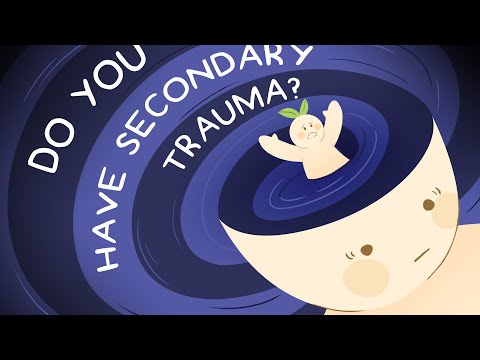
You know that feeling when you hear a friend’s story, and suddenly you’re just… drained? Like they dumped a bucket of stress on you? Well, that’s kinda what vicarious trauma is all about.
It sneaks up on you, and before you know it, you’re carrying emotional baggage that isn’t even yours. Crazy, right?
If you’re in the mental health field or just someone who listens to others’ struggles, it can hit hard. It’s like an invisible weight that can throw off your whole vibe. So, let’s chat about how to spot those signs before they get heavy. Trust me; it helps to recognize what’s happening!
Understanding Vicarious Trauma: Key Symptoms to Recognize and Address
Vicarious trauma is something that often flies under the radar, but it can hit hard, especially for people working in mental health, crisis management, or any field where they’re exposed to the suffering of others. You know how after watching a really intense movie, you might feel a bit shaken? Well, imagine feeling that way because of someone else’s pain—not just once, but over and over again.
So, what exactly is vicarious trauma? It’s when you start to experience emotional distress because you’re repeatedly hearing about or witnessing traumatic events through others. This isn’t just feeling sad for someone; it’s more like your own emotional landscape starts changing due to their experiences.
Now, let’s talk symptoms. Here are some key signs you might notice:
- Emotional numbness: You might feel detached from your own feelings. It’s like your emotional dial has been turned down.
- Increased anxiety: If you start feeling on edge or worried about things that wouldn’t usually faze you, that’s a red flag.
- Difficulty sleeping: Maybe you’re tossing and turning at night or having nightmares related to the stories you’ve heard.
- Irritability: Feeling easily frustrated or angry? That could be a sign.
- Avoidance behavior: You might find yourself steering clear of places or conversations that remind you of the trauma.
- Changes in worldview: If you’re starting to see the world as a more dangerous place than before, that’s significant.
I remember chatting with a friend who worked as a social worker in a domestic violence shelter. She was always there for her clients—listening to their stories and offering support—but over time she started feeling overwhelmed by all that heaviness. Even little things would set her off; she couldn’t watch crime shows anymore without getting anxious. It took her some time to recognize these changes as vicarious trauma.
And here’s the kicker: vicarious trauma can sneak up on you when you least expect it. It often builds slowly; one day you’re okay, and then suddenly everything feels intense and overwhelming.
But here’s the good news! Recognizing these symptoms is the first step toward addressing them. Talking about your feelings with colleagues or friends can help lighten that load. Supervision sessions at work are another great outlet—it’s essential in these roles not only to give support but also to receive it.
Practicing self-care is crucial too! Simple things like taking breaks and finding activities that rejuvenate your spirit can make a world of difference. Yoga? Absolutely! A chat with friends over coffee? Yes, please!
Ultimately, acknowledging how vicarious trauma affects you isn’t just okay—it’s vital for maintaining your well-being while supporting others through their toughest times. You matter too!
Identifying Signs of Vicarious Trauma: Key Indicators to Watch For
Vicarious trauma, man, it’s a real heavy thing. Basically, it happens when you’re exposed to someone else’s traumatic experiences, and it starts to impact your own mental health. If you work in mental health or fields like social work, you might be more at risk. Let’s break down some signs you can keep an eye on.
Emotional Distress
You might notice that you’re feeling more emotional than usual. It could be sadness, anger, or even anxiety creeping in out of nowhere. It can feel like a wave that just hits you unexpectedly. Imagine hearing about someone else’s tough time and then feeling this knot in your stomach—that’s part of it.
Compassion Fatigue
This is when your empathy starts to fade away. You might find yourself feeling less caring about others’ struggles or even feeling numb. It’s like tuning out a song because you’ve heard it too many times—empathy just doesn’t hit the same anymore.
Changes in Behavior
If you’re withdrawing from friends or social activities you used to love, that’s definitely something to watch for. You might find yourself canceling plans or avoiding conversations that used to bring joy.
Physical Symptoms
Keep an eye on your body; stress can show up physically! Headaches, fatigue, and digestive issues can all signal vicarious trauma is sneaking into your life. If your body is talking back at you with these signs, listen up!
Difficulties Concentrating
Are you finding it hard to focus? Maybe tasks that used to be easy suddenly seem daunting. Your mind can get overwhelmed by the weight of others’ trauma narratives; it’s like trying to juggle too many balls at once—eventually something’s going to drop!
Irritability
Feeling irritable lately? That short fuse? It might come from processing other people’s pain consistently without proper breaks for yourself. Think of how frustrating traffic is when you’re not in the mood; well, this feels similar but amplified.
Pessimism
When everything starts looking pretty bleak—that’s another red flag! You may notice a shift from hopefulness to seeing things through a darker lens. The world feels heavy and harsh; that could be the vicarious trauma playing tricks on your mind.
It’s super important to pay attention if any of these signs start popping up—and don’t hesitate to reach out for support if needed! Talking with colleagues or seeking professional help can make a huge difference when dealing with this kind of stress over time. Taking care of yourself isn’t selfish; it’s essential!
Understanding the Hallmark Signs of Vicarious Trauma: A Comprehensive Guide
Vicarious trauma is a real thing, especially for folks in helping professions, like therapists and social workers. Basically, it’s when you start to feel the emotional fallout from the trauma that others are experiencing. You’re not the one going through it, but you’re deeply affected by hearing about it. So let’s break down some of the hallmark signs you might notice if this is happening.
First off, you might notice some changes in your own emotional state. Have you felt more anxious or irritable lately? Maybe even a little numb? When someone else’s pain starts to stick with you long after your sessions end, it can become really overwhelming.
Then there’s that feeling of disconnection. You know how sometimes when a friend is upset and their sadness kind of weighs on you? With vicarious trauma, this can escalate to feeling detached from your own life or loved ones. You might feel disconnected from your emotions, almost like watching life through a foggy window.
Another biggie is struggling with trust and safety. If you’re in a profession where you’re exposed to others’ pain regularly, it might make you see the world as more dangerous than it really is. You could find yourself second-guessing everything around you—your friends, coworkers—even yourself! It can be tough to shake that feeling plus it can lead to isolation.
Sometimes there’s physical stuff going on too. If you’ve been having headaches or stomachaches without any clear medical cause, these could be signs that your body is responding to stress. Just like when you’re stressed about work or personal issues, vicarious trauma can manifest physically as well.
You may also see changes in how you approach your work. Like if you’ve always been compassionate and engaging with clients, suddenly feeling apathetic or avoiding certain topics may indicate something deeper at play.
Here are some other signs that may pop up:
- Sleep disturbances: Trouble sleeping or nightmares about clients’ traumas.
- Cynicism: A shift towards negative thinking about people or the world.
- Emotional fatigue: Feeling drained much of the time.
Quick story: I once talked to this social worker who was incredibly passionate about her job but started noticing these symptoms creeping in after working with survivors of abuse for years. At first, she thought it was just burnout—but then she realized how much she was carrying their stories inside her head and heart. It took her time—and support—to understand that what she was experiencing was vicarious trauma.
If any of this resonates with you or someone else in such roles (or even outside), know it’s super important to talk about how you’re feeling and seek support when needed—no shame in that game! Self-care isn’t just fluff; it’s essential for maintaining emotional health while helping others through their tough times.
So just remember: vicarious trauma is valid and acknowledging those feelings can go a long way toward healing—not just for yourself but for those who depend on you too!
You know, the thing about working in mental health is that it can be really rewarding but also super heavy. When you’re listening to other people’s trauma day in and day out, it can take a toll on you. That’s where vicarious trauma comes into play, and it’s something we should all keep an eye on.
Think about someone who spends their days supporting others through their darkest moments. Imagine being the shoulder to cry on and bearing witness to all those heartbreaking stories. Over time, you might start to feel those experiences creeping into your own emotional space. It’s like carrying a backpack filled with stones—you don’t realize how heavy it is until you try to stand up straight.
One of the first signs of vicarious trauma can be emotional numbness. You might notice yourself becoming less affected by things that used to resonate deeply with you. Like, maybe you used to cry during sad movies or get really moved by your friend’s struggles, but now? Not so much. It’s a defense mechanism; your mind is trying to protect itself from feeling overwhelmed.
Also, changes in your worldview can point to vicarious trauma too. If the world suddenly feels more dangerous or chaotic than it did before—like watching the news makes your stomach churn—you might be experiencing some spillover from what you’ve been exposed to.
But here’s the kicker: it’s not just about feelings; physical symptoms can show up too! Things like headaches or stomach issues? Yup, they can be linked back to emotional stressors hanging around like unwanted guests at a party.
I once had a friend who was a therapist, and she started withdrawing from her social life without even realizing it. She’d come home after long days at work, feeling completely drained. It was tough for her because she loved her friends but just didn’t have the energy left for anything other than binge-watching shows alone while munching on snacks. That kind of isolation creeps in slowly and makes everything harder.
If any of this resonates with you or someone you know, it’s worth diving into some self-care practices—like setting boundaries at work or talking with someone else about these feelings you’re dealing with. Seriously! Addressing these signs early on is key because nobody should have to carry this weight alone forever.
So yeah, recognizing the signs of vicarious trauma isn’t just important for those working in mental health; it’s vital for anyone who supports others through tough times. We’ve got to take care of ourselves if we want to really help others thrive!