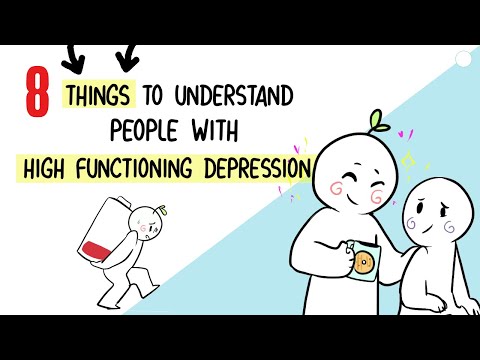
Hey! You know, life can be a bit of a rollercoaster sometimes. One minute, everything feels cool, and the next? It’s like you’re stuck in a fog.
But seriously, when that fog doesn’t seem to lift, it can be tough to figure out if it’s just a rough patch or something deeper. You feel me?
So many of us go through ups and downs. But if you start noticing changes in how you’re feeling day-to-day, well, that’s something to pay attention to.
Let’s chat about recognizing those signs of depression creeping in again. You never know; being aware could make a world of difference for you or someone you care about.
Recognizing Severe Depression: Key Signs and Symptoms to Watch For
Recognizing severe depression can be pretty challenging, especially when you’re wrapped up in your own feelings. But if you or someone you know is going through some tough times, there are key signs and symptoms to watch for that can help identify when it’s getting serious.
Persistent Sadness or Low Mood: One of the biggest indicators is a constant feeling of sadness. You might find yourself crying often or just feeling a heavy cloud hanging over you, even if there’s no apparent reason. It’s like having this weight on your chest that just won’t go away.
Loss of Interest: Think about the things that used to bring you joy. Maybe it was hanging out with friends, pursuing hobbies, or binge-watching your favorite shows. When severe depression sets in, it can strip away those pleasures. You might start to feel like nothing matters anymore.
- Fatigue and Lethargy: Feeling super tired all the time? That’s another red flag! Even simple tasks can feel like climbing a mountain. You may struggle getting out of bed or feel exhausted after doing regular stuff.
- Changes in Sleep Patterns: Are you sleeping way more than usual? Or maybe it’s the opposite and you’re tossing and turning all night? Both extremes can signal worsening depression.
- Appetite Changes: Sudden changes in eating habits are also common. Some people lose their appetite entirely while others turn to food for comfort.
- Difficulties Concentrating: Having trouble focusing on tasks that used to be easy? It could feel like your mind is swimming in fog, making even straightforward decisions seem overwhelming.
You know what’s even more tricky? Sometimes these signs don’t come all at once; they creep up on you or a loved one gradually.
Irritability: If everything annoys you more than usual—little things becoming huge deals—it might signal depression too. You might find yourself snapping at loved ones for no good reason.
Feelings of Worthlessness or Guilt: Severe depression can bring on this overwhelming sense of worthlessness or guilt over things that haven’t even happened. It’s almost as if you’re carrying around an invisible backpack full of regrets that never seem to lighten.
Sensory Issues: You may also notice heightened sensitivity—things like noise or light bothering you way more than they used to.
And keep in mind, sometimes people experiencing severe depression may even talk about self-harm or have thoughts about not wanting to be here anymore. This is serious and should never be brushed aside.
Listening closely to these signs is crucial because recognizing them might lead someone toward seeking help sooner rather than later. Nobody should have to navigate those intense feelings alone; reaching out for support is key!
So take care of yourself and those around you because being aware really makes a difference in handling this tough stuff together!
Recognizing the Warning Signs of Progressing Depression: A Guide to Early Intervention
Recognizing the warning signs of progressing depression can make a huge difference. It’s like having a radar that picks up on those subtle changes in your mood or behavior before things get really tough. Let’s break this down into some key areas that can help you spot when something might be off.
Changes in Mood
One of the first signs is when your mood starts to shift. You know, feeling sad, empty, or hopeless for longer than usual? That’s a red flag. If you find that those feelings are sticking around and affecting your daily life, it might be time to pay attention. It could be as simple as consistently feeling irritable or getting angry over stuff that usually wouldn’t bother you.
Loss of Interest
Next up is losing interest in things you once enjoyed. Remember when you couldn’t wait to hang out with friends or dive into a hobby? Well, if those things start feeling like chores instead of fun, take note. Maybe you used to love going for runs but now it feels like such a drag. This loss of pleasure — called anhedonia — can really creep in and might signal depression worsening.
Changes in Sleep Patterns
Your sleep habits are another important area to watch. Both insomnia and oversleeping can signal trouble. If you’re tossing and turning every night or hitting that snooze button way too often, these could be signs of depression ramping up. And hey, not getting good sleep can even make everything else feel worse.
Appetite Changes
Pay attention to your eating habits too! Some folks lose their appetite while others start stress-eating like there’s no tomorrow. If you’re suddenly reaching for comfort foods more often—or forgetting to eat altogether—it could reflect deeper emotional struggles.
Fatigue and Low Energy
Then there’s the old friend fatigue—feeling physically drained all the time can really take a toll on your day-to-day life. You might notice that even simple tasks seem daunting, like just getting out of bed or showering feels like climbing Mount Everest!
Cognitive Changes
You might also notice some cognitive changes, you know? Difficulty concentrating or making decisions can sneak up on you too. Maybe it’s taking longer to finish work tasks because your mind keeps wandering; that’s definitely something to watch.
Social Withdrawal
Another big one is withdrawing from social connections. If you’ve been canceling plans left and right or hiding away at home more than usual, consider why that is happening. Is it because you’d rather be alone than risk facing feelings around other people?
Persistent Feelings of Guilt
Feeling guilty about everything—even small things—can also surface with worsening depression. You might catch yourself thinking you’re failing at work, relationships, or even just daily responsibilities far more than before.
Recognizing these signs early on opens the door for intervention before things spiral deeper into trouble. Remember, early intervention matters! If any of this resonates with you—or if you’re worried about someone because they seem off—don’t hesitate to seek support from friends, family, or mental health professionals who can help navigate through these feelings together.
Sometimes it’s just about reaching out and talking about what’s going on inside your head; that’s always a good first step!
5 Key Signs Your Mental Health May Be Deteriorating: Recognize the Warning Indicators
Alright, let’s chat about mental health for a minute. You know, sometimes life throws curveballs at us, and it can be tough to see when things are slipping a bit, right? So, here are some key signs your mental health may be taking a dive. Recognizing these can be super important for catching problems early.
- Feeling Anxious or Overwhelmed: If you find yourself constantly feeling on edge or like you can’t handle the stress of everyday life, that’s a big sign. I remember a friend who used to love going out. One summer, she just couldn’t bring herself to do it anymore. Even small tasks felt monumental.
- Changes in Sleep Patterns: Are you sleeping way too much or maybe not enough? This is often one of the first things that shift when things go south with mental health. If you’re tossing and turning all night or sleeping through the day when you used to be up and about—pay attention.
- Losing Interest in Things You Used to Enjoy: Think about what used to make you smile. If it’s like all those fun activities suddenly feel pointless or just don’t catch your interest anymore, it could be more than just a phase. A buddy of mine loved painting but stopped creating altogether during a tough time; he didn’t even notice it until someone pointed it out.
- Irritability or Mood Swings: Are you snapping at friends or loved ones over little things? Mood swings can really show up in our interactions and relationships. It’s like one minute you’re fine and the next you’re ready to throw your phone against the wall because of something minor.
- Feeling Isolated: Wanting to pull away from friends and family can often signal trouble brewing in your mind. If you’ve noticed that you’re ghosting people more than usual or feel alone even when surrounded by others, that’s definitely something to take seriously.
So yeah, spotting these signs isn’t always easy—you might not even realize what’s happening until someone else points it out. Remember that maintaining good mental health is just as crucial as keeping your physical health in check! It’s okay to seek help if you’re feeling any of these signs hanging around like uninvited guests at a party!
You know, depression can be a sneaky little monster. It creeps in when you least expect it, and sometimes it’s hard to even notice it’s there. I remember a time when my friend Jake, who was usually the life of the party, started pulling away. At first, I thought he was just busy or maybe going through a phase. But then things became pretty clear—he was genuinely struggling.
One sign of worsening depression is that you might find yourself feeling drained all the time. Like getting out of bed feels like running a marathon. You used to hop out of bed to catch that early coffee before work, but now? You hit snooze like it’s your new hobby. Seriously.
Then there’s the change in interests. You know how Jake used to be obsessed with hiking? One day he just said he couldn’t be bothered anymore and preferred to scroll through his phone instead. It made me realize something wasn’t right—like those things that once filled him with joy lost all their color.
Another thing is physical symptoms; they’re tricky and often overlooked. Ever had a week where your back just screamed at you or your stomach felt knotted? It can actually manifest as aches and pains when your mental state isn’t doing so hot either. Not fun at all.
It’s also common for sleep patterns to get funky—either sleeping too much or not enough. Jake would stay up late watching shows but then feel completely wrecked during the day. That cycle can feel never-ending.
And let’s not forget about social withdrawal! If you notice someone pulling back from friends or family—like ghosting on plans with no good reason—that can be a big clue too. I reached out to Jake more often, but he’d just give these half-hearted replies that made me worry even more.
So really, recognizing those signs in yourself or others isn’t just about spotting ‘the blues.’ It’s this mix of emotional signals and physical changes that can sneak up on you if you’re not paying attention. Being aware can make all the difference; you start opening up conversations that might help someone find their way back—or help yourself take action before it gets heavier than it needs to be.
It’s tough, but keeping an eye on these signs helps us support each other better and take control when things start slipping under the radar, you know? Communication is key; get talking if you’re feeling off, because sometimes sharing gives room for healing!